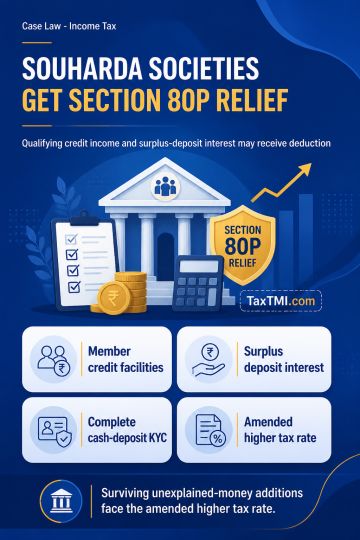
Section 80P deduction covers Souharda credit societies, including qualifying surplus-deposit interest, subject to member KYC verification for cash dep...
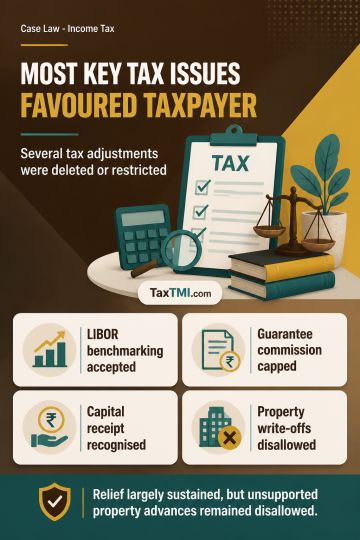
Transfer-pricing benchmarking and capital-receipt principles sustained taxpayer relief, while unsupported property-advance write-offs remained disallo...
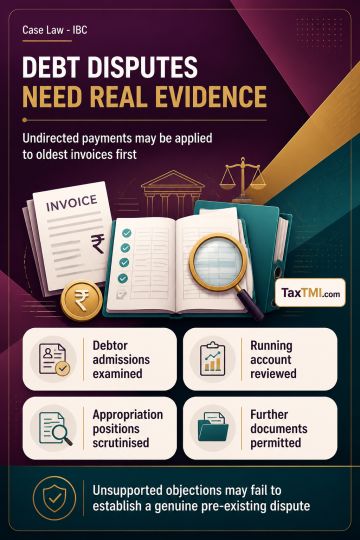
Pre-existing operational debt disputes require genuine evidence, while undirected running-account payments may be appropriated on a first-in-first-out...
Agency in CNG distribution makes outlet operators commission agents, rendering taxable Business Auxiliary Service rather than purchasing goods for res...
The High Court considered the maintainability of a refund claim regarding GST on health care services. The court noted the principle of unjust enrichment and the availability of alternative remedies like appeal u/s 107 of the Act. It emphasized that the power of writs under Article 226 is discretionary, with the existence of an alternative remedy generally barring its use. The court found that the petitioners had not shown the orders to be without jurisdiction, nor challenged the legislation's validity. Therefore, the court dismissed the petition, stating that the petitioners had an alternative efficacious remedy through the statutory appeal process.
The High Court considered the maintainability of a refund claim regarding GST on health care services. The court noted the principle of unjust enrichment and the availability of alternative remedies like appeal u/s 107 of the Act. It emphasized that the power of writs under Article 226 is discretionary, with the existence of an alternative remedy generally barring its use. The court found that the petitioners had not shown the orders to be without jurisdiction, nor challenged the legislation's validity. Therefore, the court dismissed the petition, stating that the petitioners had an alternative efficacious remedy through the statutory appeal process.
Note: It is a system-generated summary and is for quick reference only.
 TaxTMI
 of 4805







 Join Channel


 TaxTMI