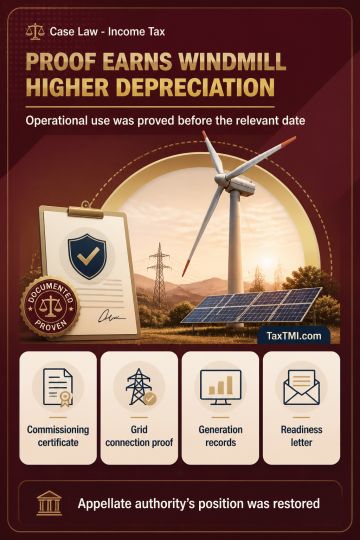
Windmill commissioning evidence supported higher depreciation where grid connection and electricity generation proved operational use before the relev...
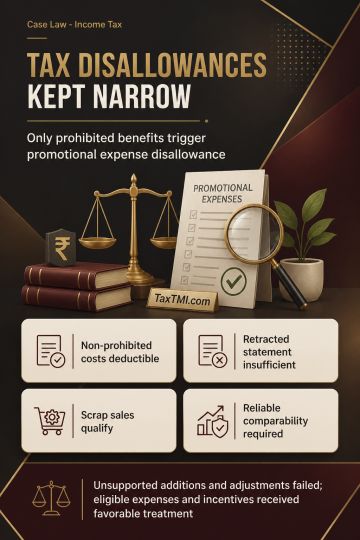
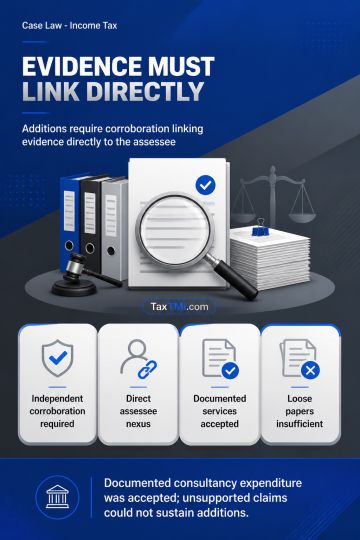
Pharmaceutical promotion and transfer-pricing comparability principles limited disallowances, while uncorroborated search allegations and unsupported ...
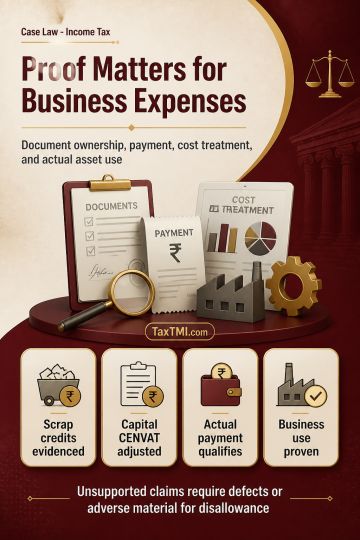
Business expenditure substantiation supports scrap credits, statutory payments and expense claims, while depreciation requires proof of actual busines...
The High Court considered the maintainability of a refund claim regarding GST on health care services. The court noted the principle of unjust enrichment and the availability of alternative remedies like appeal u/s 107 of the Act. It emphasized that the power of writs under Article 226 is discretionary, with the existence of an alternative remedy generally barring its use. The court found that the petitioners had not shown the orders to be without jurisdiction, nor challenged the legislation's validity. Therefore, the court dismissed the petition, stating that the petitioners had an alternative efficacious remedy through the statutory appeal process.
The High Court considered the maintainability of a refund claim regarding GST on health care services. The court noted the principle of unjust enrichment and the availability of alternative remedies like appeal u/s 107 of the Act. It emphasized that the power of writs under Article 226 is discretionary, with the existence of an alternative remedy generally barring its use. The court found that the petitioners had not shown the orders to be without jurisdiction, nor challenged the legislation's validity. Therefore, the court dismissed the petition, stating that the petitioners had an alternative efficacious remedy through the statutory appeal process.
Note: It is a system-generated summary and is for quick reference only.
 TaxTMI
 of 4803




 Join Channel


 TaxTMI
