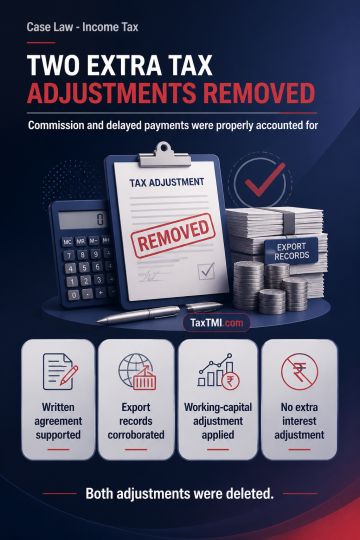
Pure reimbursement without income element escapes tax withholding, while delayed withholding and unsupported provisions face deferred or renewed scrut...
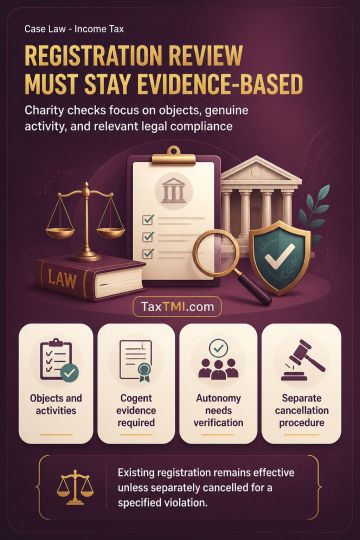
Public benefit requirement defeats charitable registration where residents' association services are reciprocal, member-only facilities governed by mu...
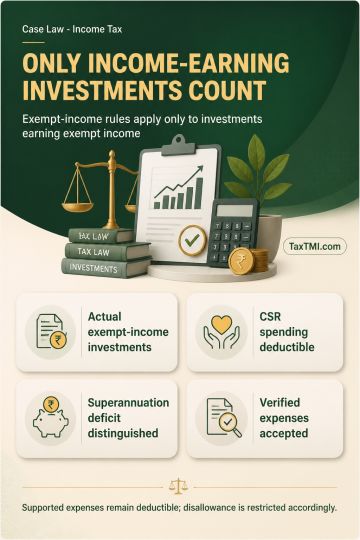
Exempt-income expenditure disallowance is confined to investments that actually generated exempt income, while supported business expenses remain dedu...
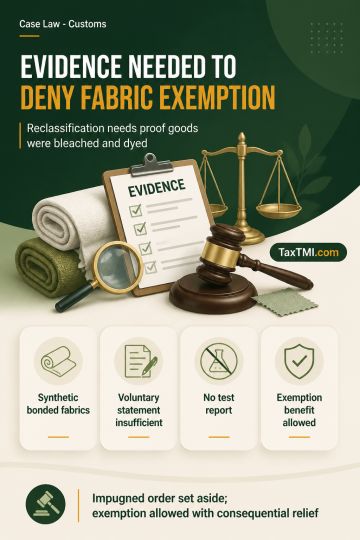
Objective characteristics and principal use govern mining-tyre classification, while fresh advance ruling applications may rely on additional technica...
The High Court considered the maintainability of a refund claim regarding GST on health care services. The court noted the principle of unjust enrichment and the availability of alternative remedies like appeal u/s 107 of the Act. It emphasized that the power of writs under Article 226 is discretionary, with the existence of an alternative remedy generally barring its use. The court found that the petitioners had not shown the orders to be without jurisdiction, nor challenged the legislation's validity. Therefore, the court dismissed the petition, stating that the petitioners had an alternative efficacious remedy through the statutory appeal process.
The High Court considered the maintainability of a refund claim regarding GST on health care services. The court noted the principle of unjust enrichment and the availability of alternative remedies like appeal u/s 107 of the Act. It emphasized that the power of writs under Article 226 is discretionary, with the existence of an alternative remedy generally barring its use. The court found that the petitioners had not shown the orders to be without jurisdiction, nor challenged the legislation's validity. Therefore, the court dismissed the petition, stating that the petitioners had an alternative efficacious remedy through the statutory appeal process.
Note: It is a system-generated summary and is for quick reference only.
 TaxTMI
 of 4803










 Join Channel


 TaxTMI
