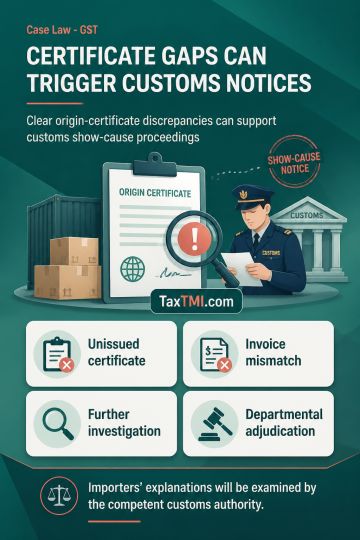
Jurisdictional facts in certificate-of-origin discrepancies can support customs show-cause proceedings, leaving factual explanations for departmental ...
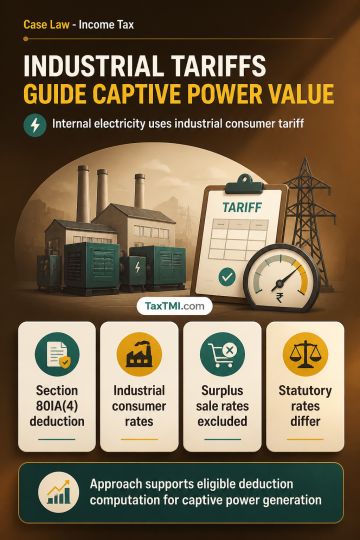
Market value for captive electricity consumption follows industrial consumer tariffs, supporting profit computation for the power generation deduction...
The High Court addressed a challenge to an assessment order regarding the reversal of Input Tax Credit for credit notes issued by the supplier. The court found that the requirements under sub-section (3) of Section 15 of the GST statutes were not satisfied, leading to the supplier being liable to pay tax on the full value of supply. The court highlighted the discretionary nature of jurisdiction under Article 226, noting that the existence of an alternative remedy does not bar its exercise. Despite the petitioner approaching the appellate authority for other issues, the court exercised jurisdiction due to the need for evidence reappraisal. The impugned order was set aside only concerning the reversal of Input Tax Credit, and the petition was disposed of accordingly.
The High Court addressed a challenge to an assessment order regarding the reversal of Input Tax Credit for credit notes issued by the supplier. The court found that the requirements under sub-section (3) of Section 15 of the GST statutes were not satisfied, leading to the supplier being liable to pay tax on the full value of supply. The court highlighted the discretionary nature of jurisdiction under Article 226, noting that the existence of an alternative remedy does not bar its exercise. Despite the petitioner approaching the appellate authority for other issues, the court exercised jurisdiction due to the need for evidence reappraisal. The impugned order was set aside only concerning the reversal of Input Tax Credit, and the petition was disposed of accordingly.
Note: It is a system-generated summary and is for quick reference only.
 TaxTMI
 of 4805






 Join Channel


 TaxTMI