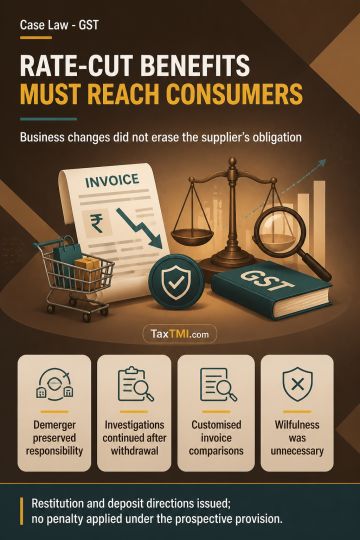
Anti-profiteering obligations survive business demerger, complaint withdrawal, and customized supply arrangements where rate-reduction benefits are no...
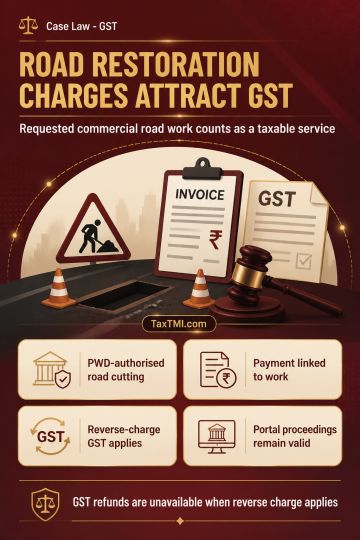
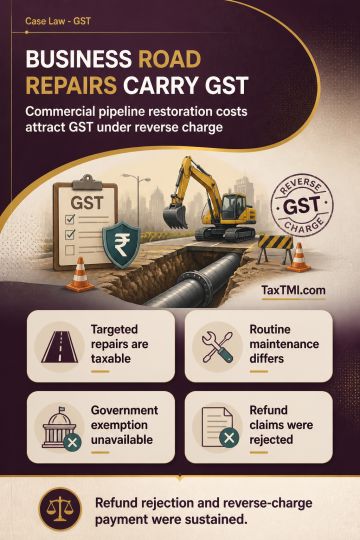
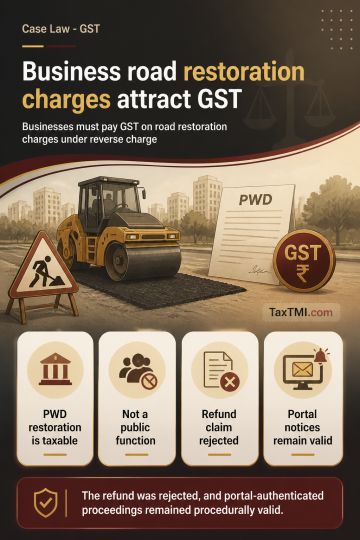
Road restoration charges constitute taxable services when requested for commercial pipeline activity, requiring reverse-charge GST from the business r...
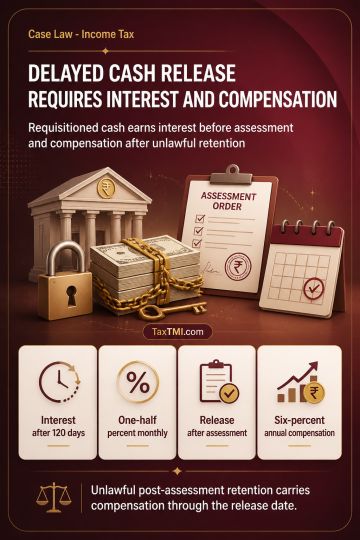
Interest on delayed release of requisitioned cash includes statutory pre-assessment interest and restitutionary compensation for unlawful post-assessm...
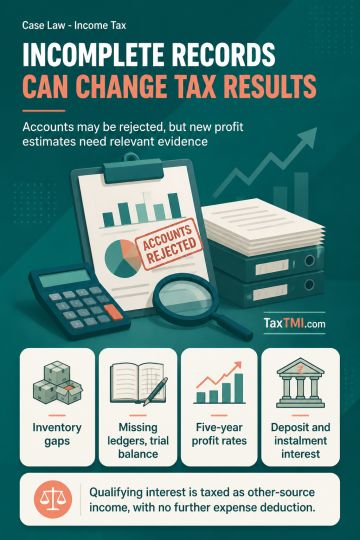
Incomplete inventory records justify rejecting accounts, while profit estimation requires relevant comparable material and interest falls under other ...
The Appellate Tribunal addressed issues related to assessment u/ss 153A and 153C, emphasizing the necessity of incriminating material for additions. Following legal precedents, the Tribunal held that in the absence of such material, additions made by the Assessing Officer in an unabated assessment must be quashed. Additionally, the Tribunal ruled against an addition u/s 69C for bogus purchases, noting the capital nature of the expenditure and the purchases' relevance to a different financial year. It further clarified that sections 68 and 69C were inapplicable as the case pertained to expenditure, not unexplained credits. The Tribunal criticized the CIT(A) for broadening the charge without providing the assessee an opportunity to respond, leading to the allowance of the assessee's appeal.
The Appellate Tribunal addressed issues related to assessment u/ss 153A and 153C, emphasizing the necessity of incriminating material for additions. Following legal precedents, the Tribunal held that in the absence of such material, additions made by the Assessing Officer in an unabated assessment must be quashed. Additionally, the Tribunal ruled against an addition u/s 69C for bogus purchases, noting the capital nature of the expenditure and the purchases' relevance to a different financial year. It further clarified that sections 68 and 69C were inapplicable as the case pertained to expenditure, not unexplained credits. The Tribunal criticized the CIT(A) for broadening the charge without providing the assessee an opportunity to respond, leading to the allowance of the assessee's appeal.
Note: It is a system-generated summary and is for quick reference only.
 TaxTMI
  TaxTMI
 of 4916