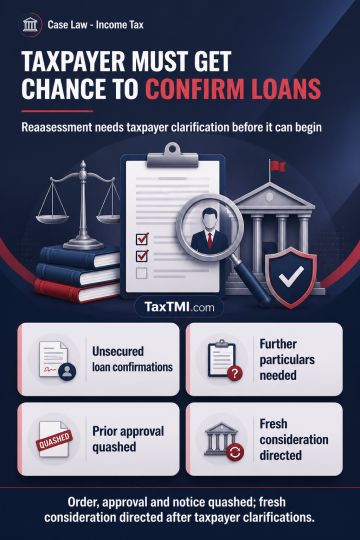
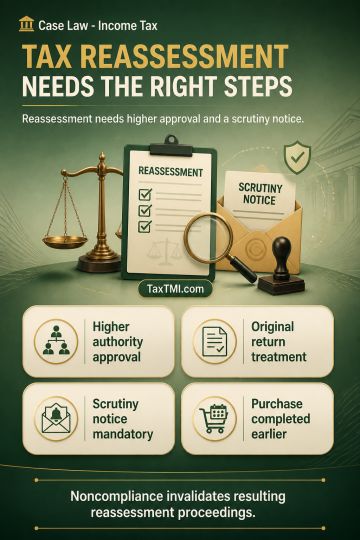
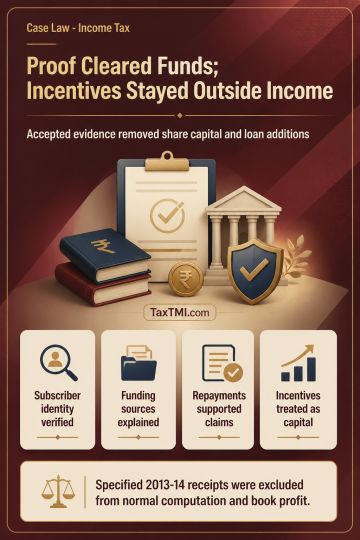
Opportunity to furnish unsecured-loan confirmations is required before reassessment initiation; proceedings require fresh consideration after taxpayer...
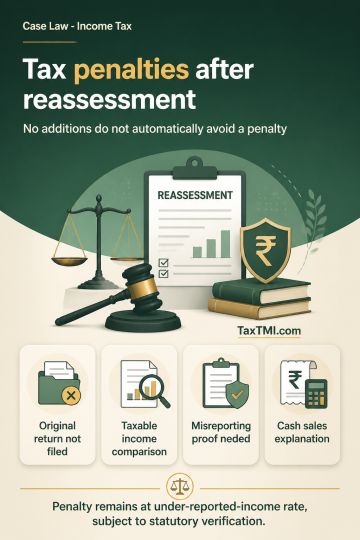
Under-reporting on a first reassessment return attracts penalty, while enhanced misreporting penalty requires proof of a statutory misreporting catego...
The case involves the retrospective application of the safe harbor limit of 5% u/s 50C of the Income Tax Act, which addresses the difference between sale consideration and market value. The Tribunal held that the amendment introducing the safe harbor limit was curative of unintended consequences of anti-avoidance provisions. The CBDT recognized genuine variances in property values based on factors like location and facilities. The safe harbor limit was initially introduced in 2018 and enhanced in 2020, with the Tribunal ruling the 2020 amendment to apply retrospectively. Citing precedent, the Tribunal deemed the amendment retrospective to prevent unintended consequences, granting the assessee the benefit of section 50C and setting aside the addition.
The case involves the retrospective application of the safe harbor limit of 5% u/s 50C of the Income Tax Act, which addresses the difference between sale consideration and market value. The Tribunal held that the amendment introducing the safe harbor limit was curative of unintended consequences of anti-avoidance provisions. The CBDT recognized genuine variances in property values based on factors like location and facilities. The safe harbor limit was initially introduced in 2018 and enhanced in 2020, with the Tribunal ruling the 2020 amendment to apply retrospectively. Citing precedent, the Tribunal deemed the amendment retrospective to prevent unintended consequences, granting the assessee the benefit of section 50C and setting aside the addition.
Note: It is a system-generated summary and is for quick reference only.
 TaxTMI
  TaxTMI
 of 4915