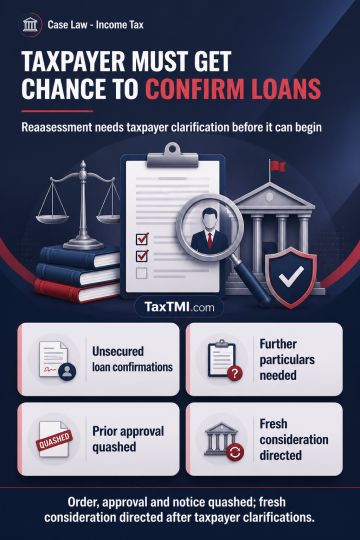
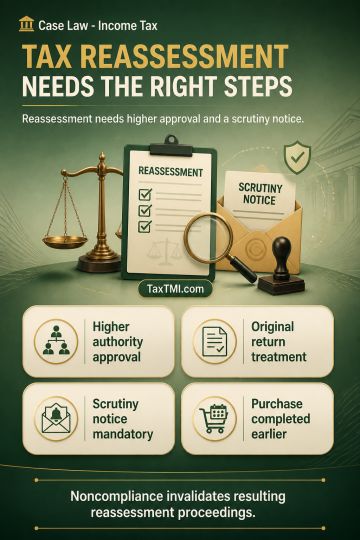
Opportunity to furnish unsecured-loan confirmations is required before reassessment initiation; proceedings require fresh consideration after taxpayer...
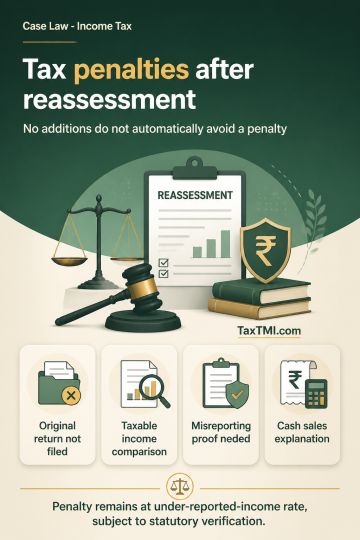
Under-reporting on a first reassessment return attracts penalty, while enhanced misreporting penalty requires proof of a statutory misreporting catego...
The case involved a dispute over CENVAT Credit denial based on a board circular alleging undervaluation of assets and claiming dual benefits. The Circular merely advised informing the income tax department about claimed expenses to avoid double benefits. It did not mandate CENVAT credit denial. The Tribunal in a similar case ruled that legitimate CENVAT credit under CENVAT Credit Rules, 2004 is unaffected by income tax treatment. Consequently, the appellant was deemed eligible for CENVAT credit, and the earlier denial was overturned, allowing the appeal.
The case involved a dispute over CENVAT Credit denial based on a board circular alleging undervaluation of assets and claiming dual benefits. The Circular merely advised informing the income tax department about claimed expenses to avoid double benefits. It did not mandate CENVAT credit denial. The Tribunal in a similar case ruled that legitimate CENVAT credit under CENVAT Credit Rules, 2004 is unaffected by income tax treatment. Consequently, the appellant was deemed eligible for CENVAT credit, and the earlier denial was overturned, allowing the appeal.
Note: It is a system-generated summary and is for quick reference only.
 TaxTMI
  TaxTMI
 of 4916