Rectification of mistake remains limited to self-evident record errors, preventing merits review through miscellaneous applications and preserving fin...
Tender creditworthiness conditions may extend to de facto Promoter Directors, with post-participation challenges generally barred absent arbitrariness...
Corporate representation in PMLA summons proceedings permitted through an authorised signatory, subject to directors' continuing cooperation and atten...
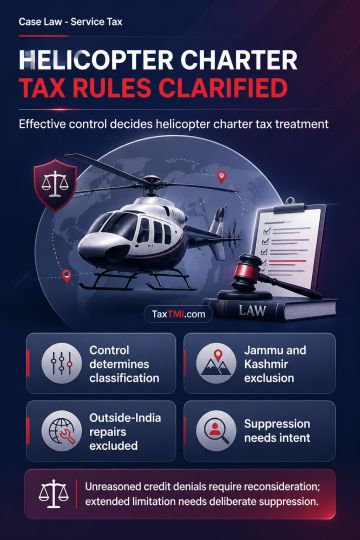
Helicopter charter classification requires effective control analysis, while territorial performance, reasoned credit orders and wilful suppression de...
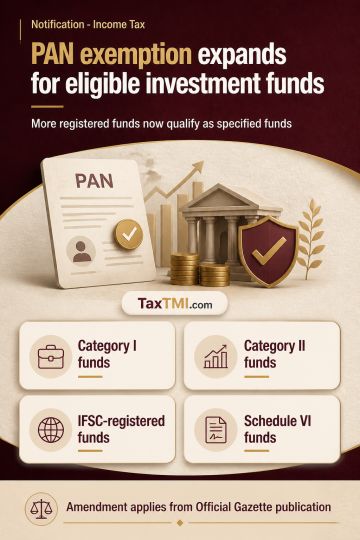
Specified fund definition expands PAN exemption eligibility for registered alternative investment funds and qualifying International Financial Service...
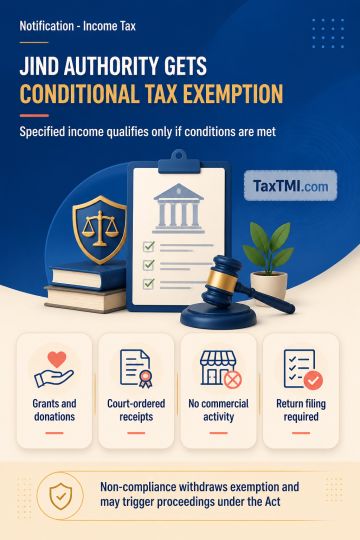
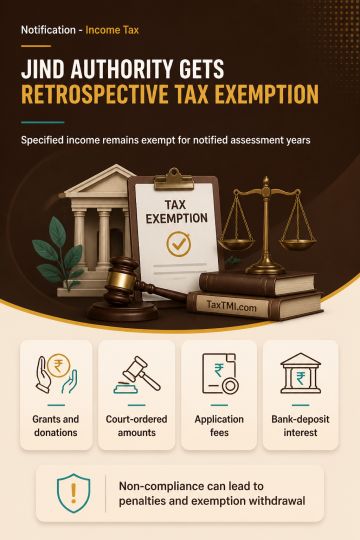
Tax exemption for specified legal-services authority income applies retrospectively, subject to non-commercial activity, unchanged income sources, and...
The High Court considered the issue of Leave Encashment exemption u/s 10AA and the retrospective review of income limit for taxing earned leave salary. The petitioners, retired before the latest notification setting the upper limit at Rs. 25 lakhs, sought relief as their earned leave income exceeded Rs. 3 lakhs. The Court acknowledged the limitation on its power and the separation of powers doctrine, stating it cannot mandate the revision of the upper limit with retrospective effect. While sympathetic, the Court emphasized that such policy decisions fall within the Executive's domain. The writ petitions were disposed of, allowing petitioners to approach the Government for relief, with the Government having the discretion to decide on their representations. Any pending interlocutory applications were dismissed.
The High Court considered the issue of Leave Encashment exemption u/s 10AA and the retrospective review of income limit for taxing earned leave salary. The petitioners, retired before the latest notification setting the upper limit at Rs. 25 lakhs, sought relief as their earned leave income exceeded Rs. 3 lakhs. The Court acknowledged the limitation on its power and the separation of powers doctrine, stating it cannot mandate the revision of the upper limit with retrospective effect. While sympathetic, the Court emphasized that such policy decisions fall within the Executive's domain. The writ petitions were disposed of, allowing petitioners to approach the Government for relief, with the Government having the discretion to decide on their representations. Any pending interlocutory applications were dismissed.
Note: It is a system-generated summary and is for quick reference only.
 TaxTMI
 of 4788









 Join Channel


 TaxTMI