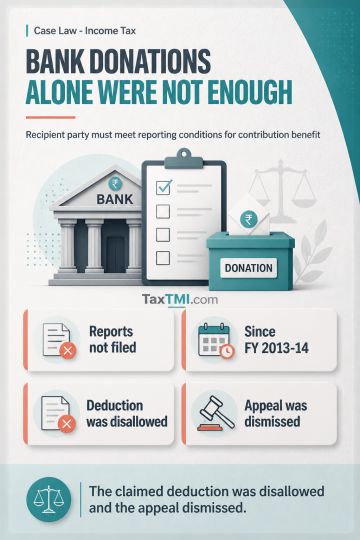
Political contribution deductions require recipient party compliance with contribution-reporting conditions; banking-channel donations alone do not qu...
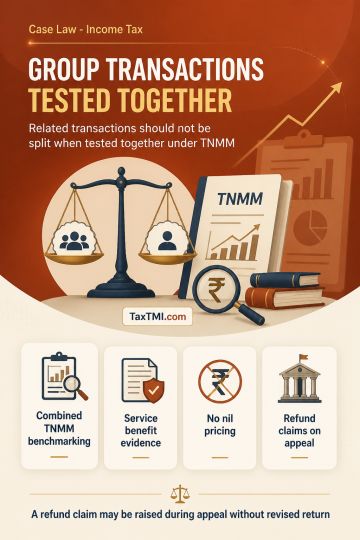
Aggregation under TNMM prevents selective testing of intra-group services without comparable uncontrolled transactions, while appellate additional cla...
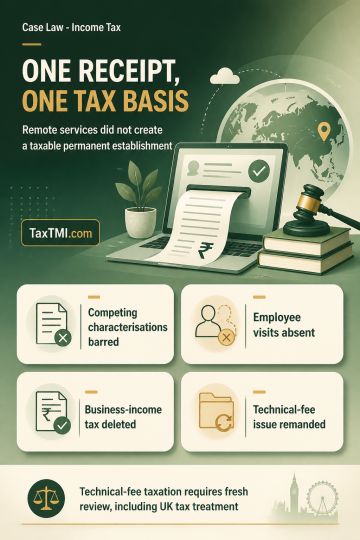
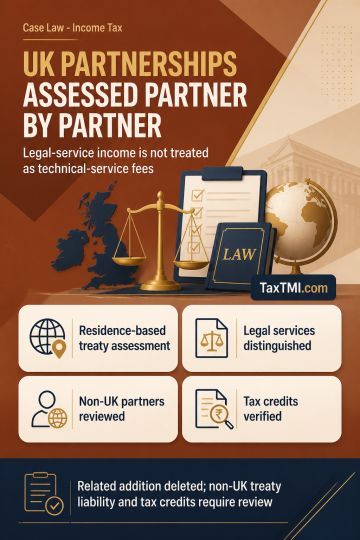
Protective assessment cannot duplicate identical receipts under competing characterisations; remote services did not establish a taxable permanent est...
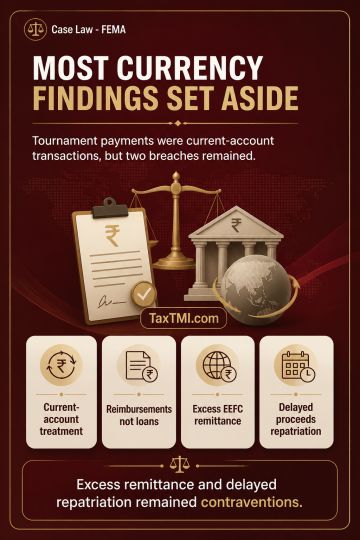
Current account treatment of overseas tournament services removed most FEMA findings, but excess EEFC remittance and delayed repatriation remained bre...
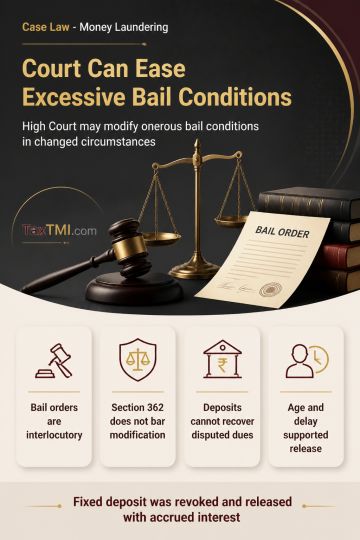
Modification of bail conditions remains available through inherent jurisdiction where onerous deposits undermine justice and cannot recover disputed d...
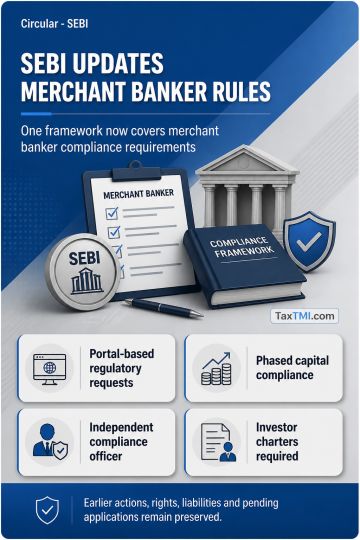
Merchant banker regulation consolidates registration, governance, capital, reporting, outsourcing and investor-protection requirements under an update...
The High Court considered the issue of Leave Encashment exemption u/s 10AA and the retrospective review of income limit for taxing earned leave salary. The petitioners, retired before the latest notification setting the upper limit at Rs. 25 lakhs, sought relief as their earned leave income exceeded Rs. 3 lakhs. The Court acknowledged the limitation on its power and the separation of powers doctrine, stating it cannot mandate the revision of the upper limit with retrospective effect. While sympathetic, the Court emphasized that such policy decisions fall within the Executive's domain. The writ petitions were disposed of, allowing petitioners to approach the Government for relief, with the Government having the discretion to decide on their representations. Any pending interlocutory applications were dismissed.
The High Court considered the issue of Leave Encashment exemption u/s 10AA and the retrospective review of income limit for taxing earned leave salary. The petitioners, retired before the latest notification setting the upper limit at Rs. 25 lakhs, sought relief as their earned leave income exceeded Rs. 3 lakhs. The Court acknowledged the limitation on its power and the separation of powers doctrine, stating it cannot mandate the revision of the upper limit with retrospective effect. While sympathetic, the Court emphasized that such policy decisions fall within the Executive's domain. The writ petitions were disposed of, allowing petitioners to approach the Government for relief, with the Government having the discretion to decide on their representations. Any pending interlocutory applications were dismissed.
Note: It is a system-generated summary and is for quick reference only.
 TaxTMI
 of 4782






 Join Channel


 TaxTMI