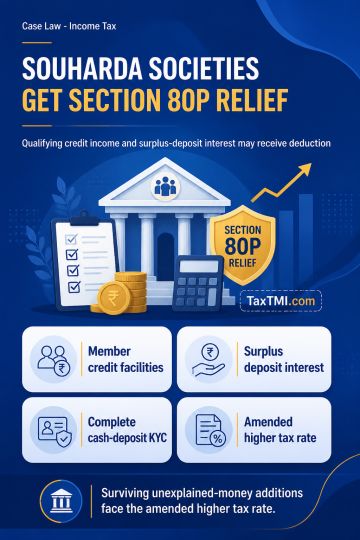
Section 80P deduction covers Souharda credit societies, including qualifying surplus-deposit interest, subject to member KYC verification for cash dep...
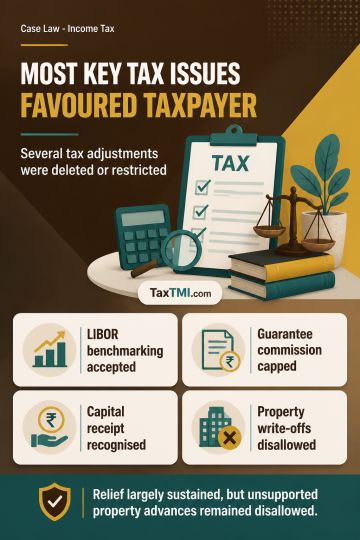
Transfer-pricing benchmarking and capital-receipt principles sustained taxpayer relief, while unsupported property-advance write-offs remained disallo...
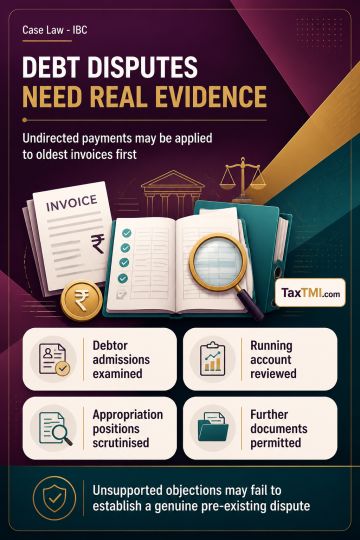
Pre-existing operational debt disputes require genuine evidence, while undirected running-account payments may be appropriated on a first-in-first-out...
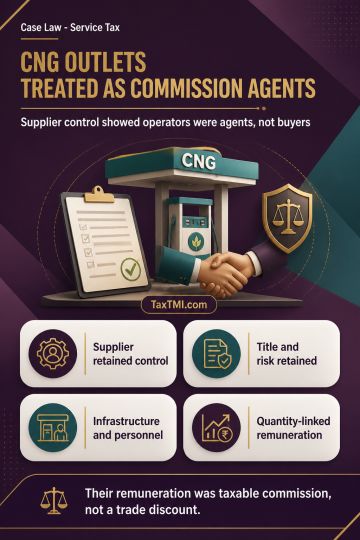
Agency in CNG distribution makes outlet operators commission agents, rendering taxable Business Auxiliary Service rather than purchasing goods for res...
The Appellate Tribunal considered a case involving a revision u/s 263, where the Commissioner contended that the Assessing Officer did not adequately inquire into Long Term Capital Gain Exemptions u/s 54. The Tribunal found that the Assessing Officer had indeed examined the deduction u/s 54 and addressed the concerns raised, ultimately allowing the claim. The Commissioner did not identify any specific errors in the AO's actions, merely suggesting a need for further investigation without pinpointing any missed inquiries. The Tribunal concluded that the AO had taken a reasonable view during assessment, with no demonstrated errors by the revenue. As none of the conditions for revision u/s 263 were met, the order was not deemed erroneous or prejudicial to revenue, resulting in the appeal by the assessee being allowed.
The Appellate Tribunal considered a case involving a revision u/s 263, where the Commissioner contended that the Assessing Officer did not adequately inquire into Long Term Capital Gain Exemptions u/s 54. The Tribunal found that the Assessing Officer had indeed examined the deduction u/s 54 and addressed the concerns raised, ultimately allowing the claim. The Commissioner did not identify any specific errors in the AO's actions, merely suggesting a need for further investigation without pinpointing any missed inquiries. The Tribunal concluded that the AO had taken a reasonable view during assessment, with no demonstrated errors by the revenue. As none of the conditions for revision u/s 263 were met, the order was not deemed erroneous or prejudicial to revenue, resulting in the appeal by the assessee being allowed.
Note: It is a system-generated summary and is for quick reference only.
 TaxTMI
 of 4794





 Join Channel


 TaxTMI