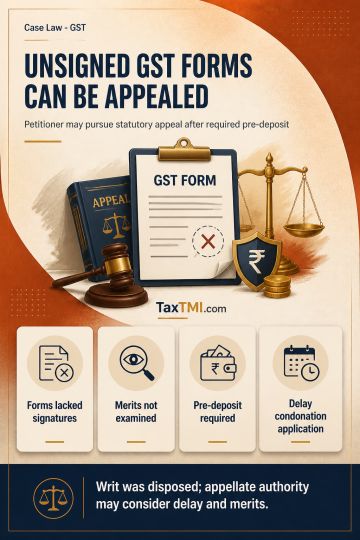
Political contribution deductions require recipient party compliance with contribution-reporting conditions; banking-channel donations alone do not qu...
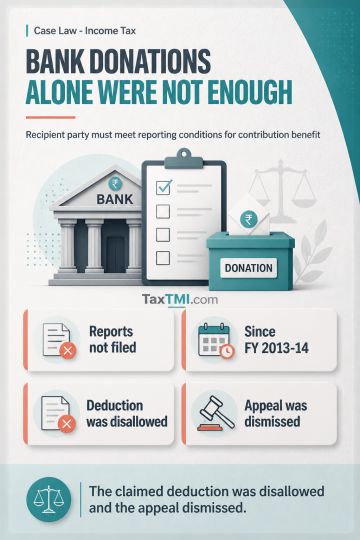
Aggregation under TNMM prevents selective testing of intra-group services without comparable uncontrolled transactions, while appellate additional cla...
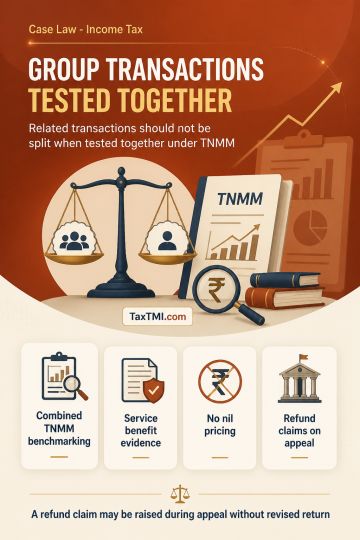
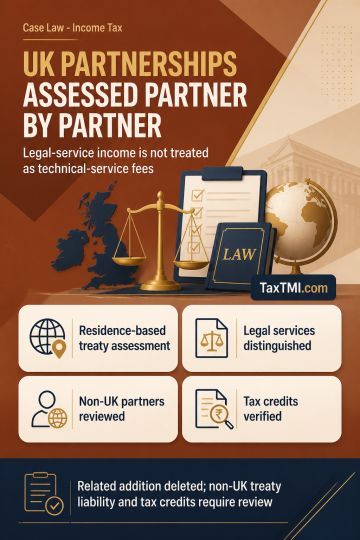
Protective assessment cannot duplicate identical receipts under competing characterisations; remote services did not establish a taxable permanent est...
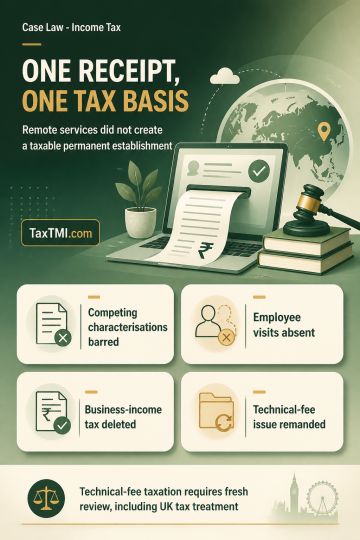
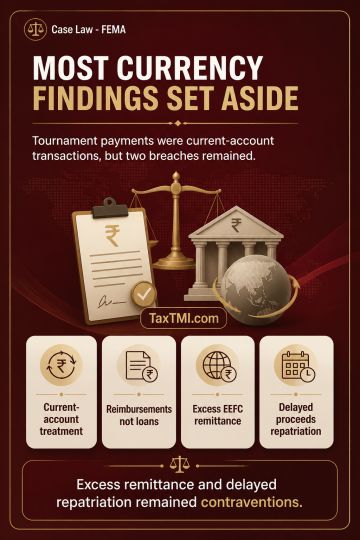
Current account treatment of overseas tournament services removed most FEMA findings, but excess EEFC remittance and delayed repatriation remained bre...
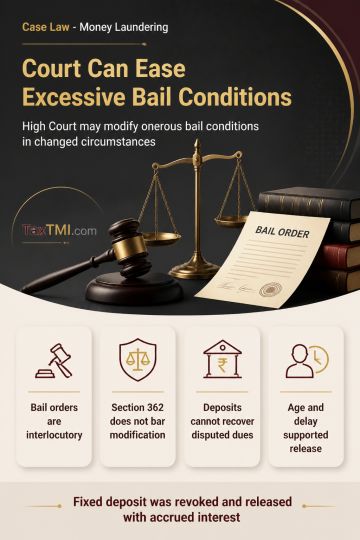
Modification of bail conditions remains available through inherent jurisdiction where onerous deposits undermine justice and cannot recover disputed d...
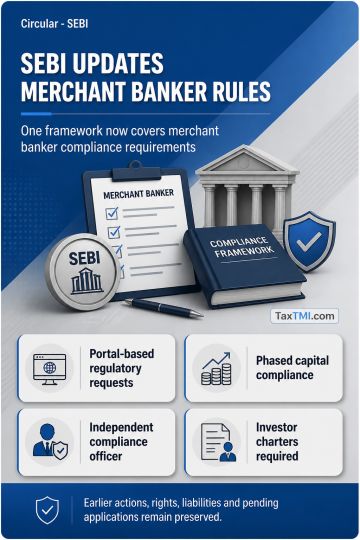
Merchant banker regulation consolidates registration, governance, capital, reporting, outsourcing and investor-protection requirements under an update...
The Appellate Tribunal considered a case involving a revision u/s 263, where the Commissioner contended that the Assessing Officer did not adequately inquire into Long Term Capital Gain Exemptions u/s 54. The Tribunal found that the Assessing Officer had indeed examined the deduction u/s 54 and addressed the concerns raised, ultimately allowing the claim. The Commissioner did not identify any specific errors in the AO's actions, merely suggesting a need for further investigation without pinpointing any missed inquiries. The Tribunal concluded that the AO had taken a reasonable view during assessment, with no demonstrated errors by the revenue. As none of the conditions for revision u/s 263 were met, the order was not deemed erroneous or prejudicial to revenue, resulting in the appeal by the assessee being allowed.
The Appellate Tribunal considered a case involving a revision u/s 263, where the Commissioner contended that the Assessing Officer did not adequately inquire into Long Term Capital Gain Exemptions u/s 54. The Tribunal found that the Assessing Officer had indeed examined the deduction u/s 54 and addressed the concerns raised, ultimately allowing the claim. The Commissioner did not identify any specific errors in the AO's actions, merely suggesting a need for further investigation without pinpointing any missed inquiries. The Tribunal concluded that the AO had taken a reasonable view during assessment, with no demonstrated errors by the revenue. As none of the conditions for revision u/s 263 were met, the order was not deemed erroneous or prejudicial to revenue, resulting in the appeal by the assessee being allowed.
Note: It is a system-generated summary and is for quick reference only.
 TaxTMI
 of 4782








 Join Channel


 TaxTMI