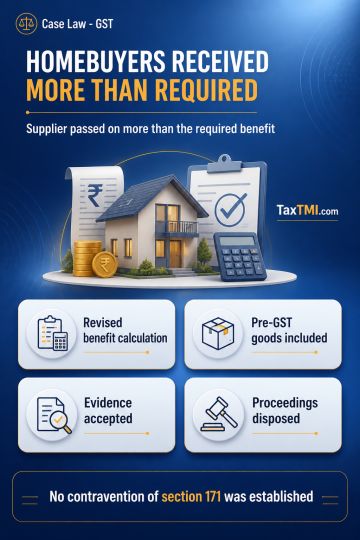
Necessary-party requirements limit impleadment of independent entities, while deferred consideration does not create an appealable adverse determinati...
Food supplement classification requires common parlance and authoritative tests, preventing treatment as proprietary Ayurvedic medicines without suppo...
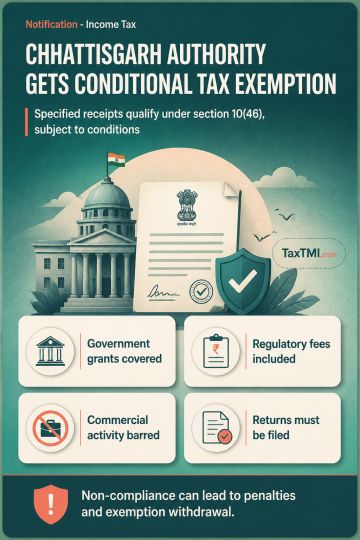
Specified regulatory authority income receives conditional tax exemption, subject to non-commercial activity, unchanged income character, and return f...
Tax exemption for regulatory authority income applies retrospectively, subject to non-commercial activity, unchanged income sources, and return-filing...
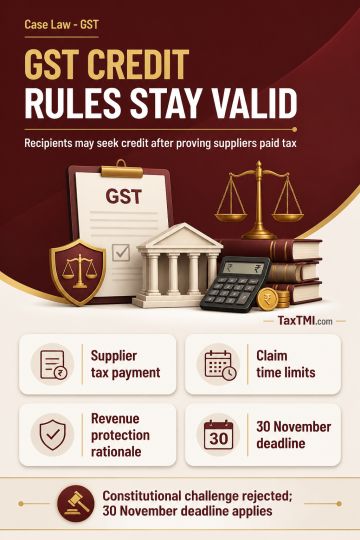
Input tax credit conditions remain constitutionally valid, with eligible recipient claims considered under GST circulars and retrospective filing dead...
The ITAT, an Appellate Tribunal, ruled on unexplained cash deposits in bank accounts opened by a CA misusing KYC documents. The CA, acting fraudulently, used the taxpayer's ID to open accounts, obtain loans, and acquire properties. Following a Rs. 2000 cr fraud discovery, involving multiple arrests, it was found that the CA was the mastermind. The Tribunal held that the additions to the taxpayer's account were unjustified, as the CA was responsible for the transactions. The AO failed to verify key forms and neglected to summon relevant parties. The taxpayer successfully demonstrated that the accounts were not theirs, leading to a decision in their favor. The cash deposits were attributed to the CA, exonerating the taxpayer.
The ITAT, an Appellate Tribunal, ruled on unexplained cash deposits in bank accounts opened by a CA misusing KYC documents. The CA, acting fraudulently, used the taxpayer's ID to open accounts, obtain loans, and acquire properties. Following a Rs. 2000 cr fraud discovery, involving multiple arrests, it was found that the CA was the mastermind. The Tribunal held that the additions to the taxpayer's account were unjustified, as the CA was responsible for the transactions. The AO failed to verify key forms and neglected to summon relevant parties. The taxpayer successfully demonstrated that the accounts were not theirs, leading to a decision in their favor. The cash deposits were attributed to the CA, exonerating the taxpayer.
Note: It is a system-generated summary and is for quick reference only.
 TaxTMI
 of 4805
















 Join Channel


 TaxTMI