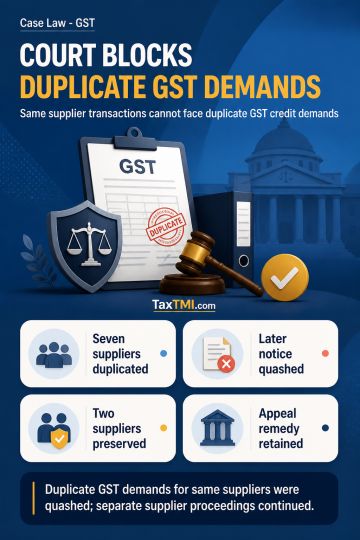
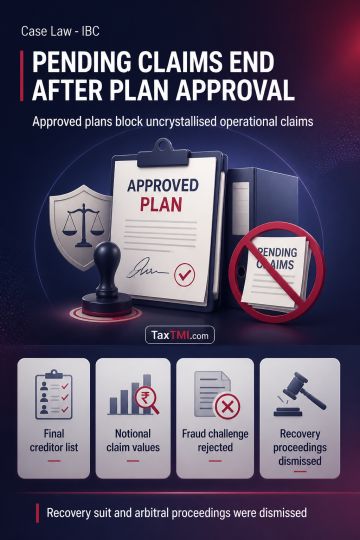
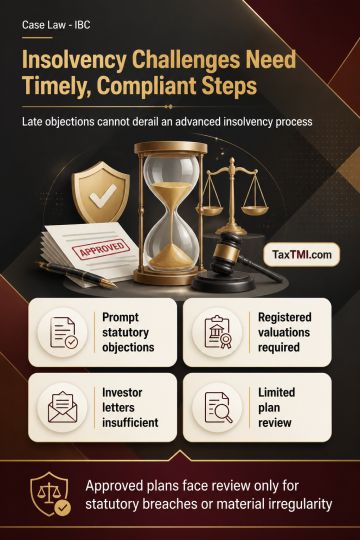
Clean slate principle extinguishes uncrystallised operational claims and bars continuation of pending recovery and arbitral proceedings after plan app...
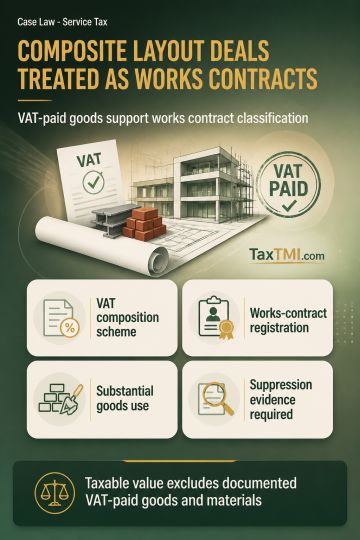
Works contract classification governs composite layout-development contracts where VAT-paid goods are transferred alongside construction and infrastru...
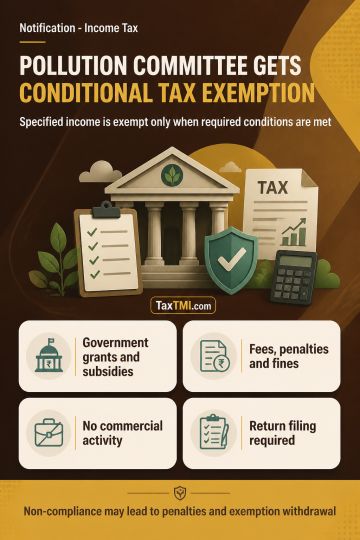
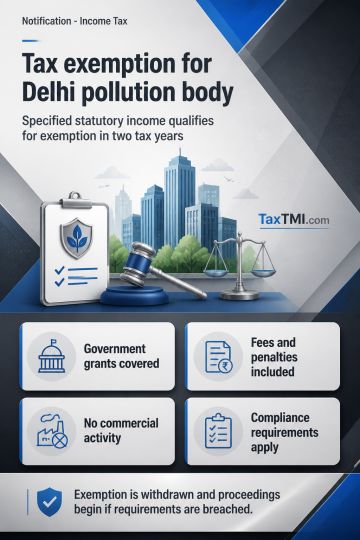
Specified income tax exemption for pollution control body remains conditional on non-commercial activity, unchanged income character, and return filin...
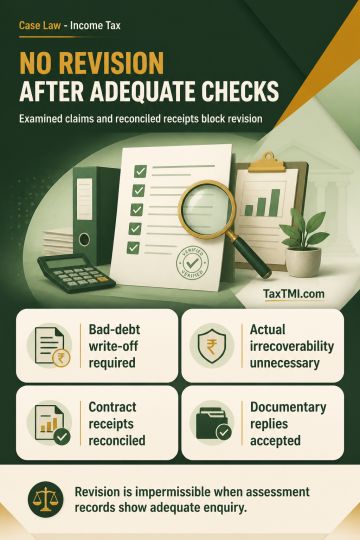
The Appellate Tribunal considered a case involving the revision u/s 263 of the Act regarding the allowability of deduction of interest claimed u/s 57. The Tribunal held that the Assessing Officer's order finalized under limited scrutiny, after considering all relevant facts and in conformity with CBDT instructions, was not erroneous or prejudicial to Revenue. It was established that the Principal Commissioner of Income Tax exceeded jurisdiction by directing a fresh assessment beyond the issues covered under limited scrutiny. The Tribunal emphasized that the power of revision u/s 263 is confined to issues considered in the limited scrutiny assessment. Therefore, the Tribunal allowed the appeal of the assessee, as the PCIT's assertion that certain issues were not verified by the AO in the limited scrutiny assessment was not legally sustainable.
The Appellate Tribunal considered a case involving the revision u/s 263 of the Act regarding the allowability of deduction of interest claimed u/s 57. The Tribunal held that the Assessing Officer's order finalized under limited scrutiny, after considering all relevant facts and in conformity with CBDT instructions, was not erroneous or prejudicial to Revenue. It was established that the Principal Commissioner of Income Tax exceeded jurisdiction by directing a fresh assessment beyond the issues covered under limited scrutiny. The Tribunal emphasized that the power of revision u/s 263 is confined to issues considered in the limited scrutiny assessment. Therefore, the Tribunal allowed the appeal of the assessee, as the PCIT's assertion that certain issues were not verified by the AO in the limited scrutiny assessment was not legally sustainable.
Note: It is a system-generated summary and is for quick reference only.
 TaxTMI
 of 4800





 Join Channel


 TaxTMI