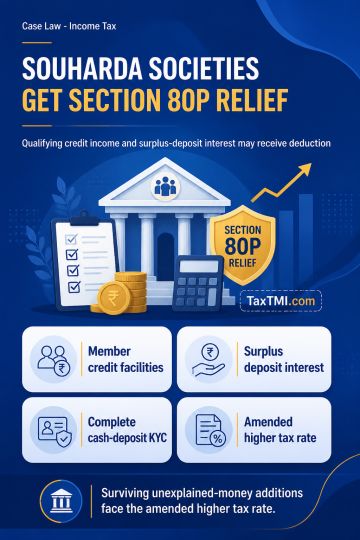
Section 80P deduction covers Souharda credit societies, including qualifying surplus-deposit interest, subject to member KYC verification for cash dep...
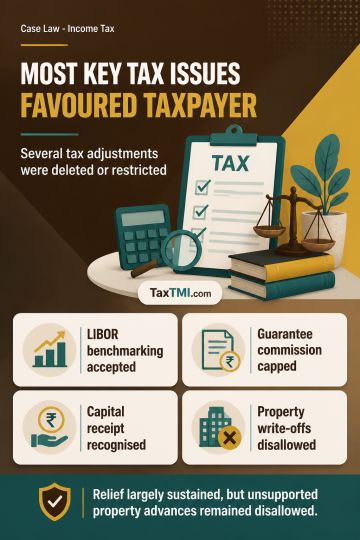
Transfer-pricing benchmarking and capital-receipt principles sustained taxpayer relief, while unsupported property-advance write-offs remained disallo...
Pre-existing operational debt disputes require genuine evidence, while undirected running-account payments may be appropriated on a first-in-first-out...
Agency in CNG distribution makes outlet operators commission agents, rendering taxable Business Auxiliary Service rather than purchasing goods for res...
The High Court denied bail to the accused, a public servant, in a money laundering case involving bribery for tender allotments. The accused's family members were also involved in purchasing properties with proceeds of crime. The court emphasized the exceptional nature of anticipatory bail, citing relevant legal principles and Supreme Court precedents. Considering the gravity of the offence and evidence of money laundering, the court found no merit in granting bail to the accused and dismissed the applications. The court concluded that the accused had knowingly engaged in money laundering activities, leading to the denial of bail.
The High Court denied bail to the accused, a public servant, in a money laundering case involving bribery for tender allotments. The accused's family members were also involved in purchasing properties with proceeds of crime. The court emphasized the exceptional nature of anticipatory bail, citing relevant legal principles and Supreme Court precedents. Considering the gravity of the offence and evidence of money laundering, the court found no merit in granting bail to the accused and dismissed the applications. The court concluded that the accused had knowingly engaged in money laundering activities, leading to the denial of bail.
Note: It is a system-generated summary and is for quick reference only.
 TaxTMI
 of 4792
















 Join Channel


 TaxTMI
