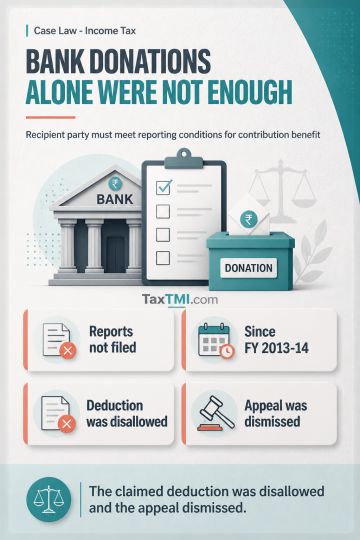
Political contribution deductions require recipient party compliance with contribution-reporting conditions; banking-channel donations alone do not qu...
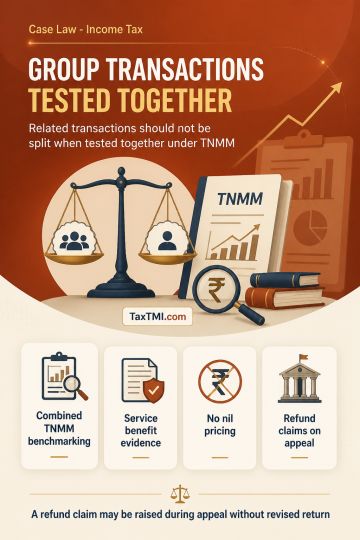
Aggregation under TNMM prevents selective testing of intra-group services without comparable uncontrolled transactions, while appellate additional cla...
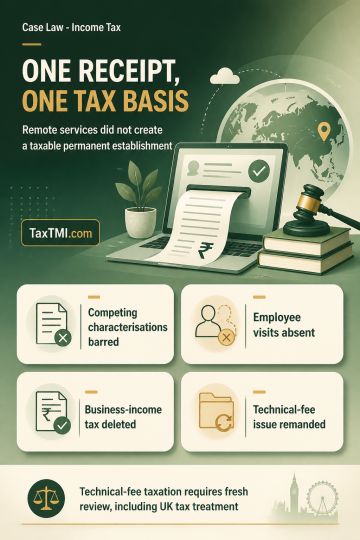
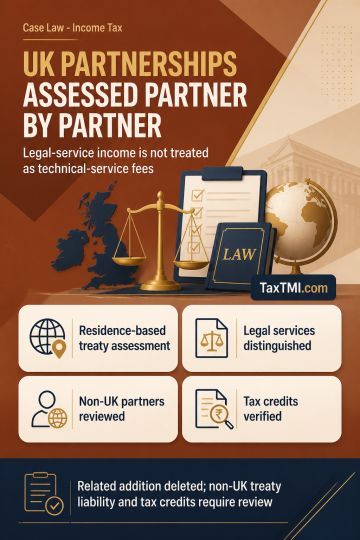
Protective assessment cannot duplicate identical receipts under competing characterisations; remote services did not establish a taxable permanent est...
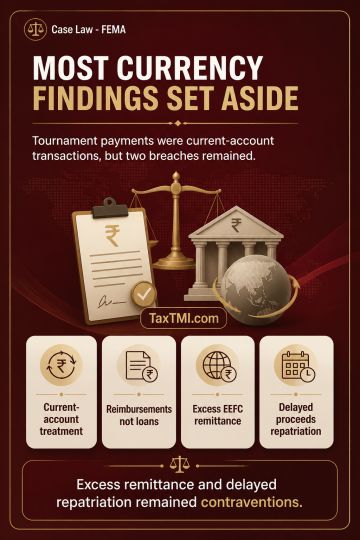
Current account treatment of overseas tournament services removed most FEMA findings, but excess EEFC remittance and delayed repatriation remained bre...
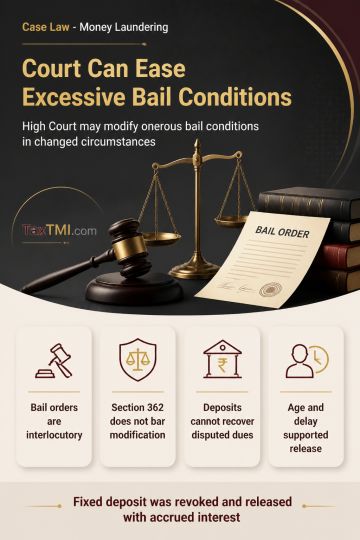
Modification of bail conditions remains available through inherent jurisdiction where onerous deposits undermine justice and cannot recover disputed d...
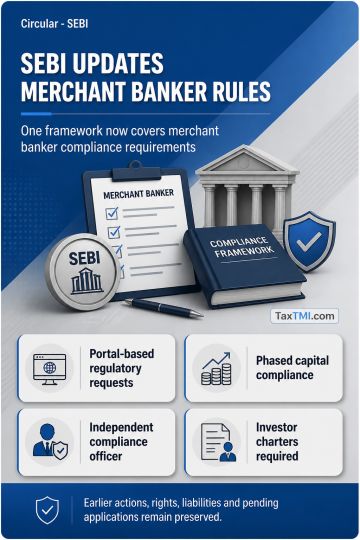
Merchant banker regulation consolidates registration, governance, capital, reporting, outsourcing and investor-protection requirements under an update...
The Appellate Tribunal upheld the addition u/s 68 for alleged bogus Long Term Capital Gains due to off-market cash purchase of shares. The taxpayer's claim for deduction u/s 10(38) was disallowed as the purchase payments lacked verifiable proof through normal banking channels. Despite holding the shares for over a year and paying STT on sale, the exemption was denied due to unverifiable cash purchases. The Tribunal found the transactions suspicious, considering the lack of credible documentation and the taxpayer's atypical share investment behavior. The decision affirmed the CIT(A)'s ruling against the taxpayer, emphasizing the need for proper sourcing evidence in such cases.
The Appellate Tribunal upheld the addition u/s 68 for alleged bogus Long Term Capital Gains due to off-market cash purchase of shares. The taxpayer's claim for deduction u/s 10(38) was disallowed as the purchase payments lacked verifiable proof through normal banking channels. Despite holding the shares for over a year and paying STT on sale, the exemption was denied due to unverifiable cash purchases. The Tribunal found the transactions suspicious, considering the lack of credible documentation and the taxpayer's atypical share investment behavior. The decision affirmed the CIT(A)'s ruling against the taxpayer, emphasizing the need for proper sourcing evidence in such cases.
Note: It is a system-generated summary and is for quick reference only.
 TaxTMI
 of 4782








 Join Channel


 TaxTMI