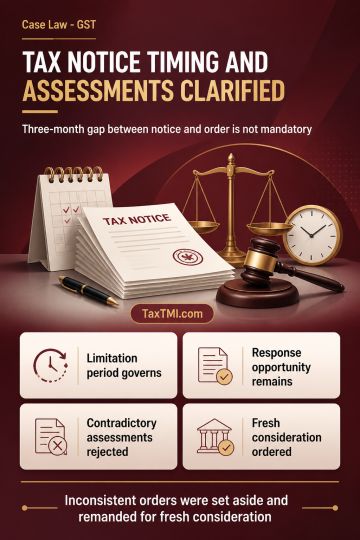
Liquidator appointment under Section 34 requires consideration of creditor recommendations, valid professional authorisation, and preservation of vali...
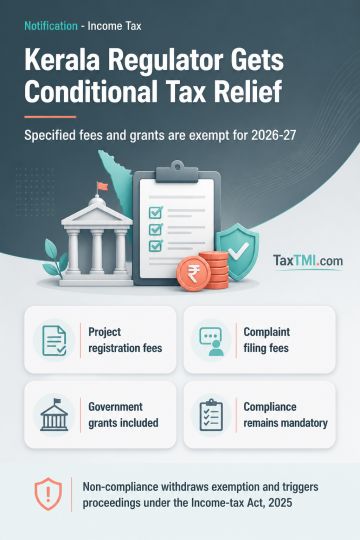
Income-tax exemption for specified regulatory fees and government grants applies subject to non-commercial activity and continuing compliance conditio...
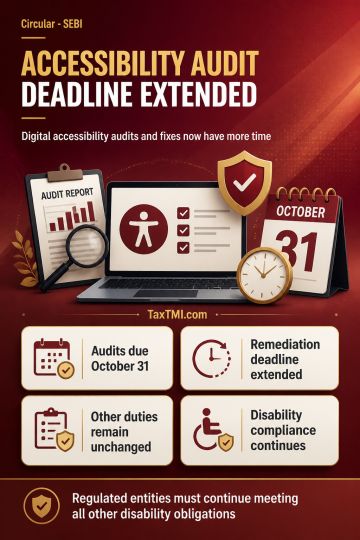
Digital accessibility audit and remediation deadlines extended, while all other disability-compliance obligations for regulated entities remain unchan...
The High Court considered a case involving the refund of excise duty paid by a company and the principles of unjust enrichment. The issue was whether the company successfully proved that the duty incidence was not passed on to the buyer. Despite the company's arguments, the court found that the duty had indeed been recovered from the customer. The court rejected the reliance on a certificate issued by a Chartered Accountant, stating it contradicted the invoices. The court upheld the decision to credit the refund amount to the consumer welfare fund to prevent unjust enrichment. The court referenced a similar case where a certificate from a Chartered Accountant was disbelieved. Ultimately, the appeal was dismissed.
The High Court considered a case involving the refund of excise duty paid by a company and the principles of unjust enrichment. The issue was whether the company successfully proved that the duty incidence was not passed on to the buyer. Despite the company's arguments, the court found that the duty had indeed been recovered from the customer. The court rejected the reliance on a certificate issued by a Chartered Accountant, stating it contradicted the invoices. The court upheld the decision to credit the refund amount to the consumer welfare fund to prevent unjust enrichment. The court referenced a similar case where a certificate from a Chartered Accountant was disbelieved. Ultimately, the appeal was dismissed.
Note: It is a system-generated summary and is for quick reference only.
 TaxTMI
 of 4782



 Join Channel


 TaxTMI