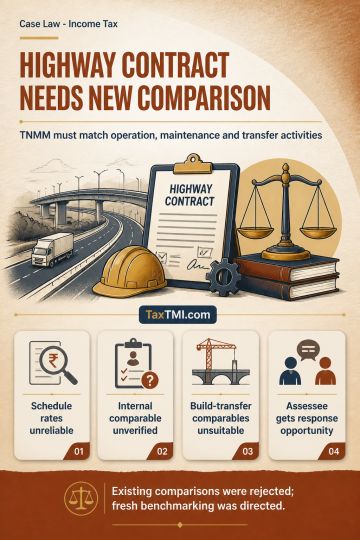
Functional comparability under TNMM requires highway contract benchmarks to reflect operation, maintenance and transfer activities, requiring fresh be...
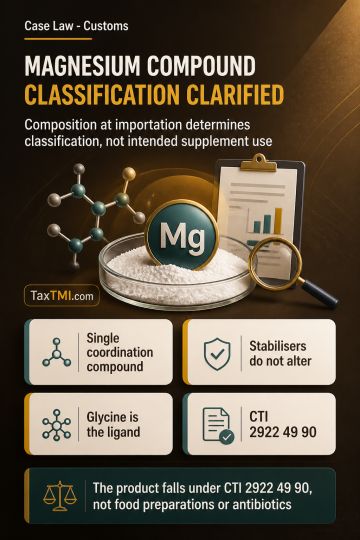
Objective characteristics govern magnesium bis-glycinate chelate classification as an amino-acid coordination compound, not a food preparation or anti...
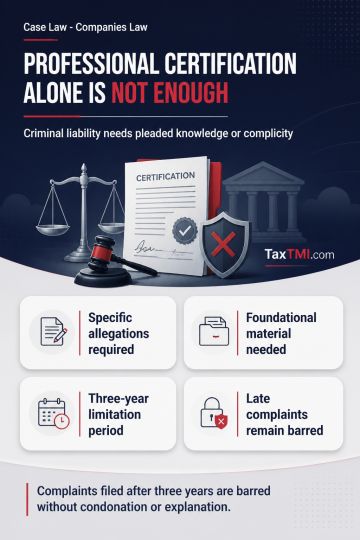
Independent professional certification requires pleaded knowledge or complicity for criminal liability; untimely complaints remain barred by limitatio...
The High Court considered a case involving the refund of excise duty paid by a company and the principles of unjust enrichment. The issue was whether the company successfully proved that the duty incidence was not passed on to the buyer. Despite the company's arguments, the court found that the duty had indeed been recovered from the customer. The court rejected the reliance on a certificate issued by a Chartered Accountant, stating it contradicted the invoices. The court upheld the decision to credit the refund amount to the consumer welfare fund to prevent unjust enrichment. The court referenced a similar case where a certificate from a Chartered Accountant was disbelieved. Ultimately, the appeal was dismissed.
The High Court considered a case involving the refund of excise duty paid by a company and the principles of unjust enrichment. The issue was whether the company successfully proved that the duty incidence was not passed on to the buyer. Despite the company's arguments, the court found that the duty had indeed been recovered from the customer. The court rejected the reliance on a certificate issued by a Chartered Accountant, stating it contradicted the invoices. The court upheld the decision to credit the refund amount to the consumer welfare fund to prevent unjust enrichment. The court referenced a similar case where a certificate from a Chartered Accountant was disbelieved. Ultimately, the appeal was dismissed.
Note: It is a system-generated summary and is for quick reference only.
 TaxTMI
 of 4782







 Join Channel


 TaxTMI