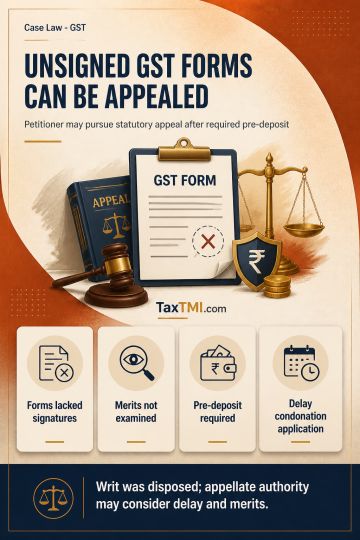
Political contribution deductions require recipient party compliance with contribution-reporting conditions; banking-channel donations alone do not qu...
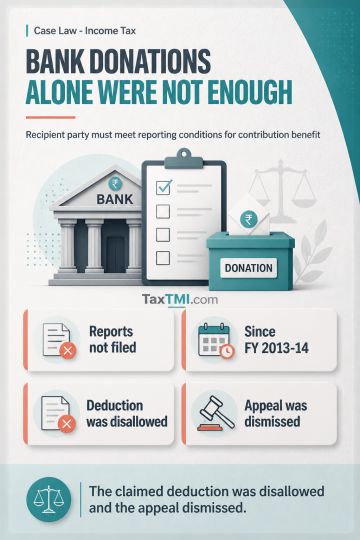
Aggregation under TNMM prevents selective testing of intra-group services without comparable uncontrolled transactions, while appellate additional cla...
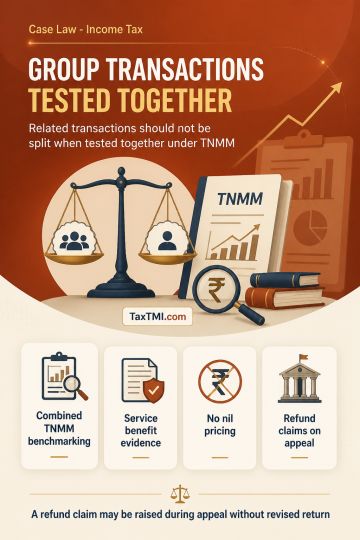
Protective assessment cannot duplicate identical receipts under competing characterisations; remote services did not establish a taxable permanent est...
Current account treatment of overseas tournament services removed most FEMA findings, but excess EEFC remittance and delayed repatriation remained bre...
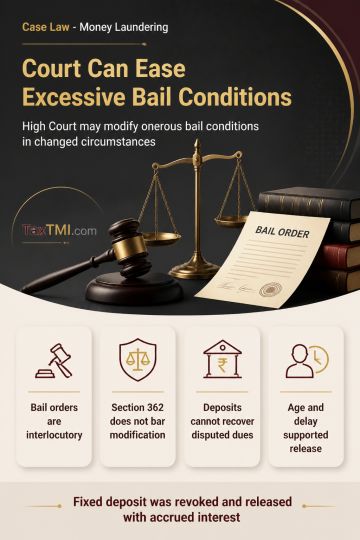
Modification of bail conditions remains available through inherent jurisdiction where onerous deposits undermine justice and cannot recover disputed d...
Merchant banker regulation consolidates registration, governance, capital, reporting, outsourcing and investor-protection requirements under an update...
The ITAT addressed a case involving revision u/s 263 where the main allegation was the non-disclosure of agricultural income affecting the deduction u/s 54B. The tribunal clarified that an AO's order can be considered erroneous if based on incorrect fact, law, or lacks investigation. The phrase "prejudicial to the interest of the revenue" must align with an erroneous order. Loss due to a lawful decision or a difference in opinion isn't necessarily prejudicial. In this case, the AO's assessment was meticulous and lawful, not prejudicing revenue. The PCIT's critique lacked inquiry and was deemed erroneous and prejudicial. The AO's detailed investigation and lawful order led to the quashing of the PCIT's revision. The appeal was allowed.
The ITAT addressed a case involving revision u/s 263 where the main allegation was the non-disclosure of agricultural income affecting the deduction u/s 54B. The tribunal clarified that an AO's order can be considered erroneous if based on incorrect fact, law, or lacks investigation. The phrase "prejudicial to the interest of the revenue" must align with an erroneous order. Loss due to a lawful decision or a difference in opinion isn't necessarily prejudicial. In this case, the AO's assessment was meticulous and lawful, not prejudicing revenue. The PCIT's critique lacked inquiry and was deemed erroneous and prejudicial. The AO's detailed investigation and lawful order led to the quashing of the PCIT's revision. The appeal was allowed.
Note: It is a system-generated summary and is for quick reference only.
 TaxTMI
 of 4782















 Join Channel


 TaxTMI