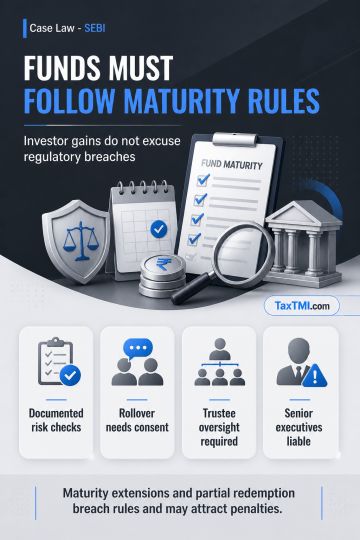
Mutual fund maturity rules require proper rollover, redemption, disclosure, and due diligence; investor gains cannot excuse regulatory breaches or pen...
Threshold exemption excludes exempt services, while stamp-paper purchases avoid reverse charge; consequential service tax penalties were also set asid...
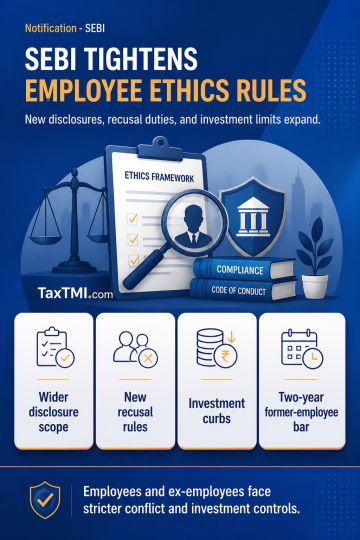
Employee conflict disclosures and investment restrictions expand with new recusal duties, post-employment limits, and compliance reporting requirement...
The ITAT held that a stay of demand can only be granted u/s 254(2A) subject to deposit of 20% of disputed demand or furnishing security. The Tribunal cannot violate statutory provisions. The power to grant stay u/s 254(2A) must be read with 254(1) to avoid redundancy. A conditional stay may be granted even when issues are covered by judicial precedents in favor of the assessee. In this case, with a large attachment in place, no further payment is required. If the attachment is lifted, the assessee must deposit 20% of the outstanding liability. The assessee must cooperate and not delay the appeal process. The stay order is valid for 180 days or until appeal disposal, with no unnecessary adjournments allowed.
The ITAT held that a stay of demand can only be granted u/s 254(2A) subject to deposit of 20% of disputed demand or furnishing security. The Tribunal cannot violate statutory provisions. The power to grant stay u/s 254(2A) must be read with 254(1) to avoid redundancy. A conditional stay may be granted even when issues are covered by judicial precedents in favor of the assessee. In this case, with a large attachment in place, no further payment is required. If the attachment is lifted, the assessee must deposit 20% of the outstanding liability. The assessee must cooperate and not delay the appeal process. The stay order is valid for 180 days or until appeal disposal, with no unnecessary adjournments allowed.
Note: It is a system-generated summary and is for quick reference only.
 TaxTMI
 of 4805










 Join Channel


 TaxTMI