Transaction value rejection requires reliable corroboration; refundable VAT is excluded and temporary registration does not defeat new-vehicle exempti...
Appellate jurisdiction remains available where a wrist-worn gold ornament cannot conclusively be characterised as imported baggage at the preliminary ...
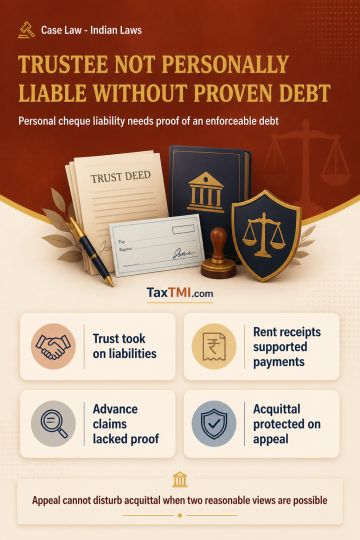
Written complaint requirement bars cognizance on police reports for securities offences, while unsupported breach of trust and cheating allegations fa...
Risk-based postal import clearance standardises electronic assessment, document requests, duty realisation and delivery controls at Foreign Post Offic...
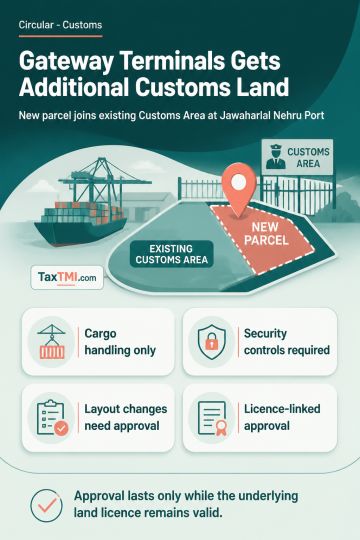
Customs Cargo Service Provider appointment extends custodianship to additional terminal land, subject to cargo-control, security and licence condition...
The Appellate Tribunal addressed the issue of characterizing interconnect utility charges (IUC) as 'Royalty' for TDS u/s 195 of the Income Tax Act and India-Japan DTAA. The revenue argued that the payments constituted 'Royalty' due to the use of process or equipment. However, the Tribunal found that no intellectual property rights were transferred to service recipients, thus Explanation 2 to section 9(1)(vi) did not apply. The Tribunal also noted that changes in the Act did not impact the DTAA definition of 'Royalty.' Citing precedents, the Tribunal held that the payments for services provided did not qualify as 'Royalty' under section 9(1)(vi) Explanation 5 & 6. Since the process was not secret and no exclusive rights were granted, it couldn't be classified as 'Royalty' under the DTAA. The Tribunal ruled in favor of the assessee, stating that the payments constituted business profits taxable in the resident country and not in India, as there was no permanent establishment in India.
The Appellate Tribunal addressed the issue of characterizing interconnect utility charges (IUC) as 'Royalty' for TDS u/s 195 of the Income Tax Act and India-Japan DTAA. The revenue argued that the payments constituted 'Royalty' due to the use of process or equipment. However, the Tribunal found that no intellectual property rights were transferred to service recipients, thus Explanation 2 to section 9(1)(vi) did not apply. The Tribunal also noted that changes in the Act did not impact the DTAA definition of 'Royalty.' Citing precedents, the Tribunal held that the payments for services provided did not qualify as 'Royalty' under section 9(1)(vi) Explanation 5 & 6. Since the process was not secret and no exclusive rights were granted, it couldn't be classified as 'Royalty' under the DTAA. The Tribunal ruled in favor of the assessee, stating that the payments constituted business profits taxable in the resident country and not in India, as there was no permanent establishment in India.
Note: It is a system-generated summary and is for quick reference only.
 TaxTMI
 of 4805













 Join Channel


 TaxTMI