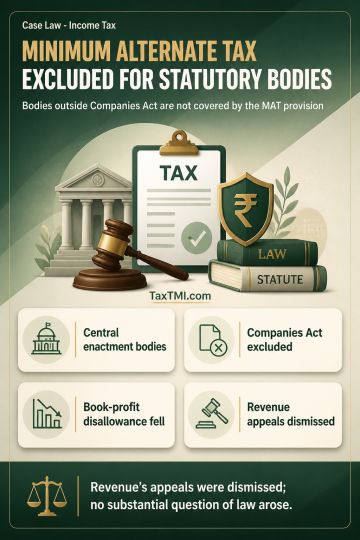
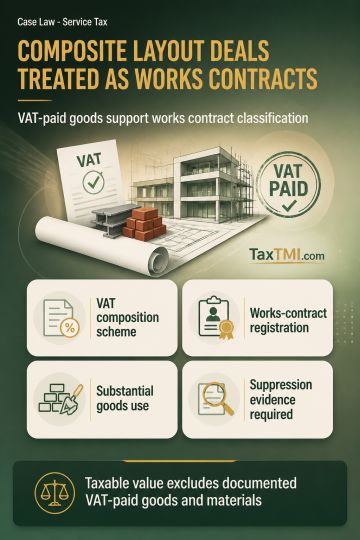
Works contract classification governs composite layout-development contracts where VAT-paid goods are transferred alongside construction and infrastru...
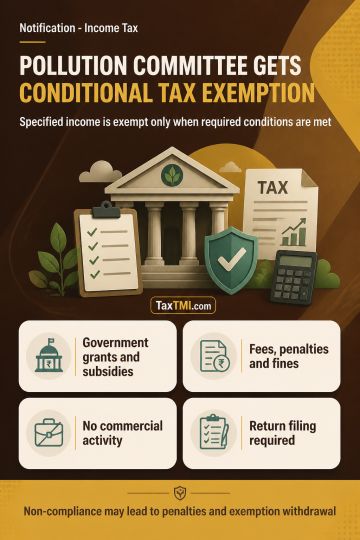
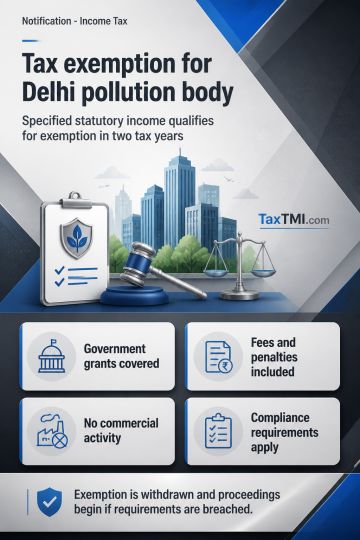
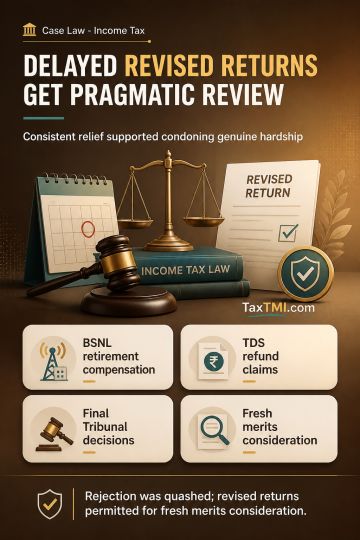
Specified income tax exemption for pollution control body remains conditional on non-commercial activity, unchanged income character, and return filin...
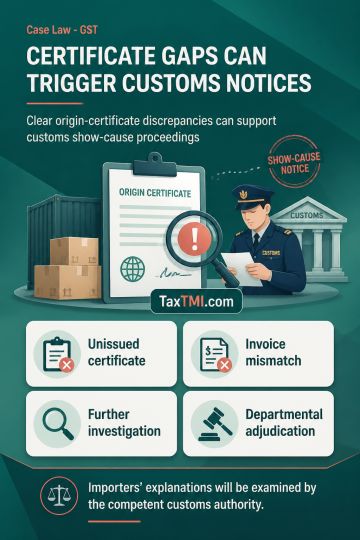
Jurisdictional facts in certificate-of-origin discrepancies can support customs show-cause proceedings, leaving factual explanations for departmental ...
The case involved a penalty u/s 112(B) of the Customs Act, 1962 against an employee of a Customs House Agent (CHA) for allegedly concealing information affecting a bill of entry assessment. The tribunal found no evidence linking the employee to the concealed branded goods in the consignment, nor any indication of his involvement in handling the goods. Goods were confiscated u/s 111(m) due to incorrect declaration, but the employee was not proven aware of the branded products. As a result, the tribunal set aside the penalty, ruling in favor of the appellant.
The case involved a penalty u/s 112(B) of the Customs Act, 1962 against an employee of a Customs House Agent (CHA) for allegedly concealing information affecting a bill of entry assessment. The tribunal found no evidence linking the employee to the concealed branded goods in the consignment, nor any indication of his involvement in handling the goods. Goods were confiscated u/s 111(m) due to incorrect declaration, but the employee was not proven aware of the branded products. As a result, the tribunal set aside the penalty, ruling in favor of the appellant.
Note: It is a system-generated summary and is for quick reference only.
 TaxTMI
 of 4805






 Join Channel


 TaxTMI