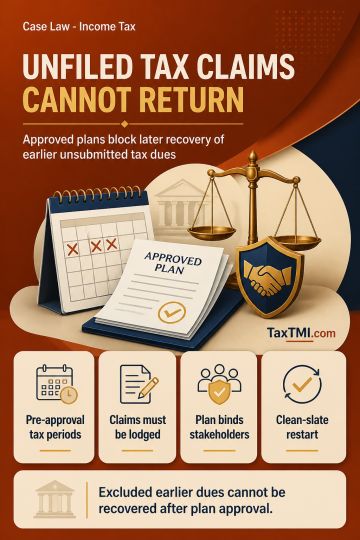
Approved resolution plans extinguish unsubmitted pre-approval tax claims, preventing later recovery outside the insolvency process and preserving a cl...
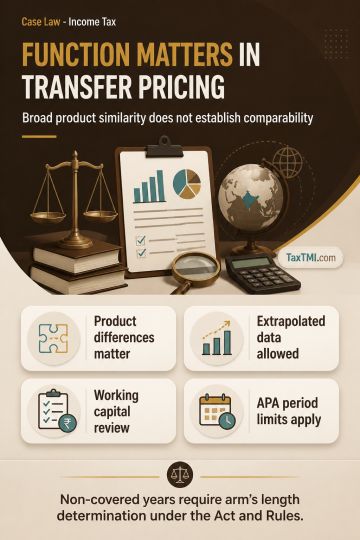
Transfer pricing comparability requires functional alignment and permits working capital adjustment, while APA margins cannot govern non-covered years...
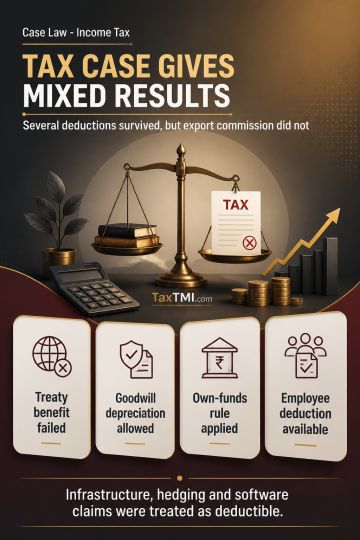
Treaty benefit, goodwill depreciation and hedging costs: export commission disallowed, while key business deductions and depreciation claims succeeded...
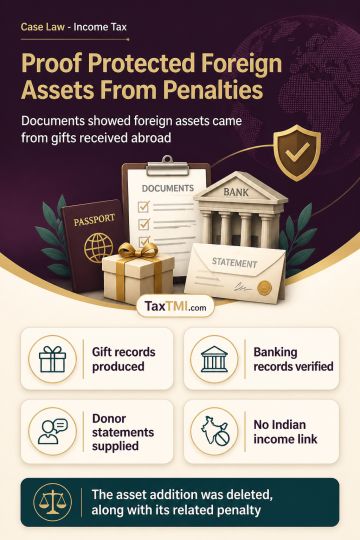
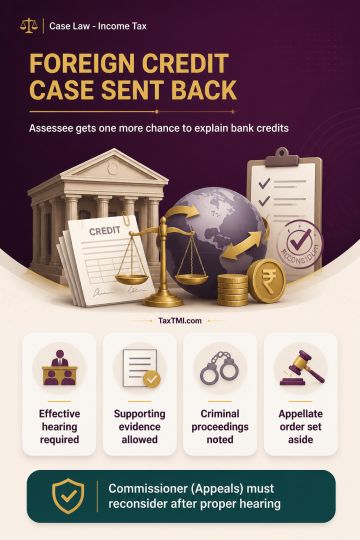
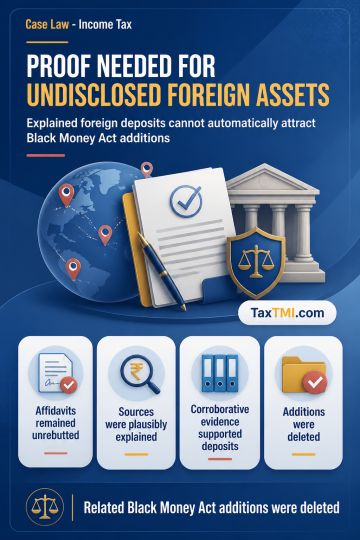
Undisclosed foreign asset classification requires an unexplained source; unrebutted affidavits and corroborative evidence defeated the Black Money Act...
The case involved a penalty u/s 112(B) of the Customs Act, 1962 against an employee of a Customs House Agent (CHA) for allegedly concealing information affecting a bill of entry assessment. The tribunal found no evidence linking the employee to the concealed branded goods in the consignment, nor any indication of his involvement in handling the goods. Goods were confiscated u/s 111(m) due to incorrect declaration, but the employee was not proven aware of the branded products. As a result, the tribunal set aside the penalty, ruling in favor of the appellant.
The case involved a penalty u/s 112(B) of the Customs Act, 1962 against an employee of a Customs House Agent (CHA) for allegedly concealing information affecting a bill of entry assessment. The tribunal found no evidence linking the employee to the concealed branded goods in the consignment, nor any indication of his involvement in handling the goods. Goods were confiscated u/s 111(m) due to incorrect declaration, but the employee was not proven aware of the branded products. As a result, the tribunal set aside the penalty, ruling in favor of the appellant.
Note: It is a system-generated summary and is for quick reference only.
 TaxTMI
 of 4803






 Join Channel


 TaxTMI