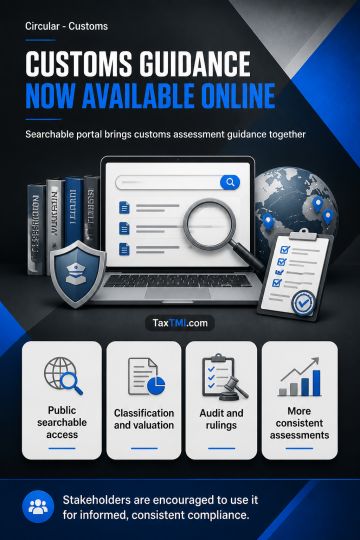
Customs Assessment Portal centralises classification and valuation guidance to support consistent, transparent and informed compliance across stakehol...
GST refunds for cancelled air tickets remain available when passenger reimbursements defeat unjust enrichment and credit-note adjustment is unavailabl...
The case involved a penalty u/s 112(B) of the Customs Act, 1962 against an employee of a Customs House Agent (CHA) for allegedly concealing information affecting a bill of entry assessment. The tribunal found no evidence linking the employee to the concealed branded goods in the consignment, nor any indication of his involvement in handling the goods. Goods were confiscated u/s 111(m) due to incorrect declaration, but the employee was not proven aware of the branded products. As a result, the tribunal set aside the penalty, ruling in favor of the appellant.
The case involved a penalty u/s 112(B) of the Customs Act, 1962 against an employee of a Customs House Agent (CHA) for allegedly concealing information affecting a bill of entry assessment. The tribunal found no evidence linking the employee to the concealed branded goods in the consignment, nor any indication of his involvement in handling the goods. Goods were confiscated u/s 111(m) due to incorrect declaration, but the employee was not proven aware of the branded products. As a result, the tribunal set aside the penalty, ruling in favor of the appellant.
Note: It is a system-generated summary and is for quick reference only.
 TaxTMI
  TaxTMI
 of 4916