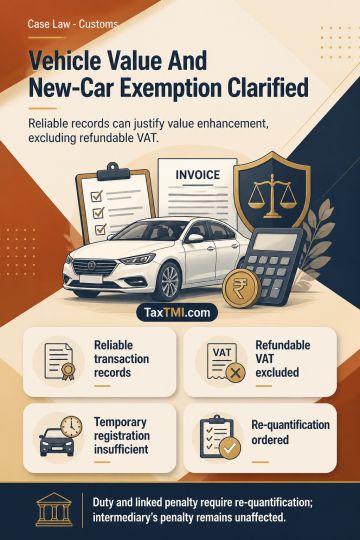
Transaction value rejection requires reliable corroboration; refundable VAT is excluded and temporary registration does not defeat new-vehicle exempti...
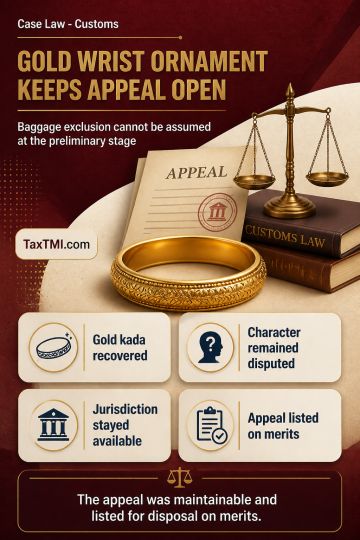
Appellate jurisdiction remains available where a wrist-worn gold ornament cannot conclusively be characterised as imported baggage at the preliminary ...
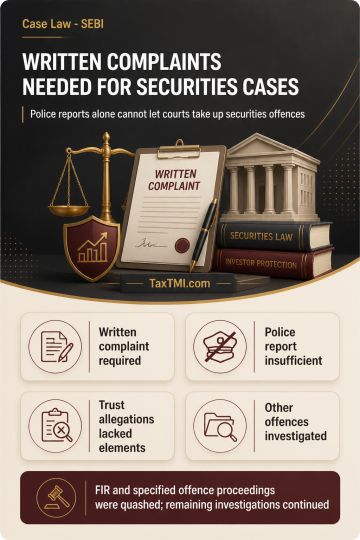
Written complaint requirement bars cognizance on police reports for securities offences, while unsupported breach of trust and cheating allegations fa...
The case involved a penalty u/s 112(B) of the Customs Act, 1962 against an employee of a Customs House Agent (CHA) for allegedly concealing information affecting a bill of entry assessment. The tribunal found no evidence linking the employee to the concealed branded goods in the consignment, nor any indication of his involvement in handling the goods. Goods were confiscated u/s 111(m) due to incorrect declaration, but the employee was not proven aware of the branded products. As a result, the tribunal set aside the penalty, ruling in favor of the appellant.
The case involved a penalty u/s 112(B) of the Customs Act, 1962 against an employee of a Customs House Agent (CHA) for allegedly concealing information affecting a bill of entry assessment. The tribunal found no evidence linking the employee to the concealed branded goods in the consignment, nor any indication of his involvement in handling the goods. Goods were confiscated u/s 111(m) due to incorrect declaration, but the employee was not proven aware of the branded products. As a result, the tribunal set aside the penalty, ruling in favor of the appellant.
Note: It is a system-generated summary and is for quick reference only.
 TaxTMI
 of 4796




 Join Channel


 TaxTMI
