Origin Declaration authentication governs preferential tariff claims under India-UK CETA, requiring a validated reference number before import clearan...
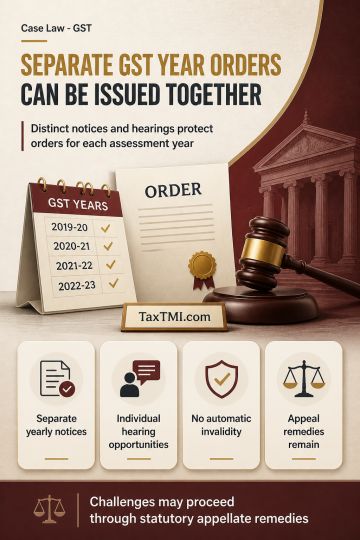
Separate assessment orders for different years remain valid when distinct notices and hearing opportunities prevent prejudice from combined proceeding...
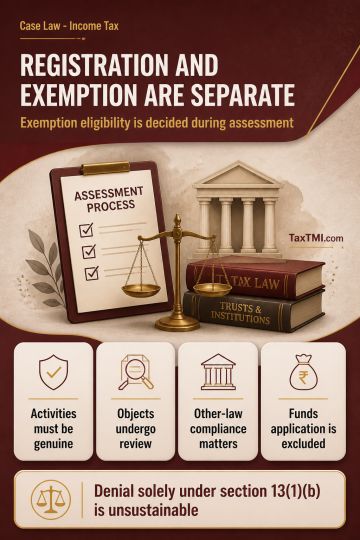
Defined public benefit can retain charitable character; registration renewal requires examining genuine activities and legal compliance, not surplus a...
Capital reduction is distinct from share buy-back, preventing buy-back tax; restructuring interest and related business deductions also survive scruti...
In a case involving dishonour of a cheque due to variance in signature, the petitioner failed to cross-examine the respondent, leading to invocation of Section 391 of Cr.P.C. The High Court held that evidence must include cross-examination to be complete, especially in cases under Section 138 NI Act where statutory presumption against the accused must be dislodged. Referring to Rambhau vs. State of Maharashtra, the Court emphasized that Section 391 Cr.P.C. allows for additional evidence to secure justice. As the respondent was not cross-examined and crucial transaction details required clarification, the Court allowed the criminal revision petition, highlighting the necessity of examining the respondent's mother as an additional witness.
In a case involving dishonour of a cheque due to variance in signature, the petitioner failed to cross-examine the respondent, leading to invocation of Section 391 of Cr.P.C. The High Court held that evidence must include cross-examination to be complete, especially in cases under Section 138 NI Act where statutory presumption against the accused must be dislodged. Referring to Rambhau vs. State of Maharashtra, the Court emphasized that Section 391 Cr.P.C. allows for additional evidence to secure justice. As the respondent was not cross-examined and crucial transaction details required clarification, the Court allowed the criminal revision petition, highlighting the necessity of examining the respondent's mother as an additional witness.
Note: It is a system-generated summary and is for quick reference only.
 TaxTMI
 of 4803

















 Join Channel


 TaxTMI
