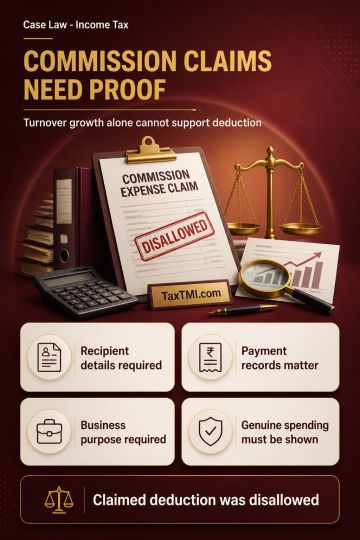
Business expenditure deduction requires proof of genuine commission payments and commercial allowability; turnover growth alone cannot validate the cl...
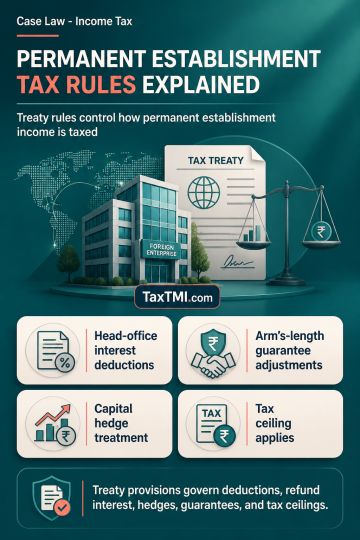
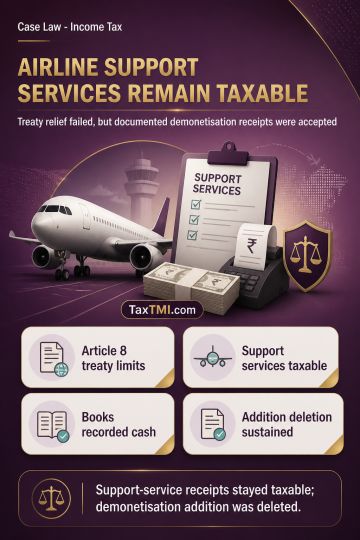
Article 8 treaty coverage excluded third-party airline support services, while documented demonetisation cash receipts remained accepted business inco...
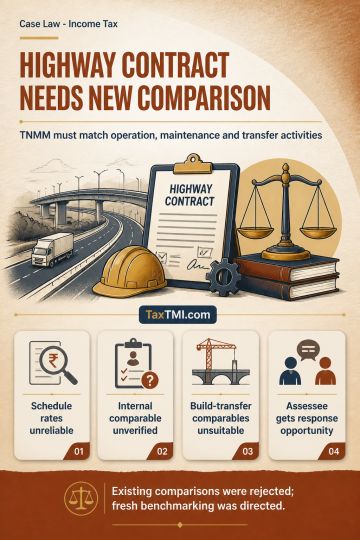
Functional comparability under TNMM requires highway contract benchmarks to reflect operation, maintenance and transfer activities, requiring fresh be...
The High Court analyzed evidence in a case involving dishonored cheques. The court emphasized the need to rebut the presumption u/s 139 of the Negotiable Instruments Act. The petitioner failed to prove the origin of the loan amount and the purpose of issuing the cheques. The respondent successfully demonstrated that the cheques were not for a legally enforceable debt. As a result, the petitioner's appeal was deemed futile, and the court upheld the lower court's decision, dismissing the petition. The High Court clarified its authority to reevaluate evidence but stressed the need for a justifiable basis for interference with trial court decisions.
The High Court analyzed evidence in a case involving dishonored cheques. The court emphasized the need to rebut the presumption u/s 139 of the Negotiable Instruments Act. The petitioner failed to prove the origin of the loan amount and the purpose of issuing the cheques. The respondent successfully demonstrated that the cheques were not for a legally enforceable debt. As a result, the petitioner's appeal was deemed futile, and the court upheld the lower court's decision, dismissing the petition. The High Court clarified its authority to reevaluate evidence but stressed the need for a justifiable basis for interference with trial court decisions.
Note: It is a system-generated summary and is for quick reference only.
 TaxTMI
 of 4805








 Join Channel


 TaxTMI