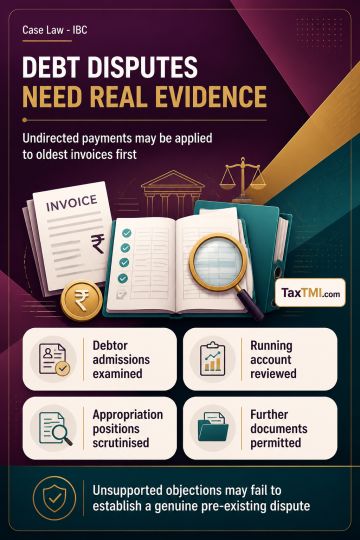
Pre-existing operational debt disputes require genuine evidence, while undirected running-account payments may be appropriated on a first-in-first-out...
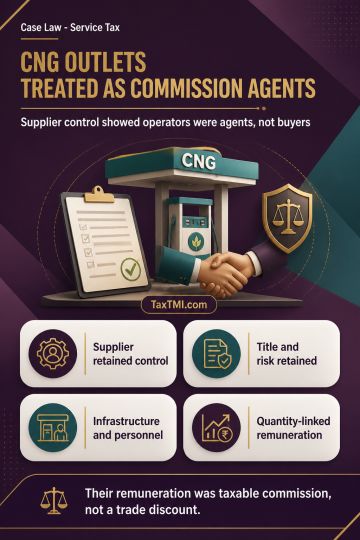
Agency in CNG distribution makes outlet operators commission agents, rendering taxable Business Auxiliary Service rather than purchasing goods for res...
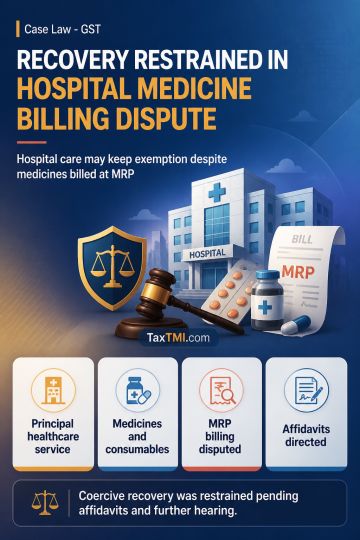
Composite inpatient healthcare supply may retain exemption despite MRP medicine billing, while separate taxable sale characterisation remains disputed...
The High Court considered a case involving dishonour of cheque due to insufficiency of funds, determining if a legally enforceable debt existed. The accused was acquitted of the offence u/s 138 of the Negotiable Instruments Act. The court assessed evidence to prove cheque execution, rebutting statutory presumptions u/s 139 and 118 of the NI Act. Referring to legal precedents, it highlighted the onus on the accused akin to civil proceedings and the standard of proof required to rebut presumptions. Emphasizing the principle that if two views are possible, an appellate court should not reverse an acquittal. The court upheld the finding that the accused successfully rebutted statutory presumptions, leading to dismissal of the appeal.
The High Court considered a case involving dishonour of cheque due to insufficiency of funds, determining if a legally enforceable debt existed. The accused was acquitted of the offence u/s 138 of the Negotiable Instruments Act. The court assessed evidence to prove cheque execution, rebutting statutory presumptions u/s 139 and 118 of the NI Act. Referring to legal precedents, it highlighted the onus on the accused akin to civil proceedings and the standard of proof required to rebut presumptions. Emphasizing the principle that if two views are possible, an appellate court should not reverse an acquittal. The court upheld the finding that the accused successfully rebutted statutory presumptions, leading to dismissal of the appeal.
Note: It is a system-generated summary and is for quick reference only.
 TaxTMI
 of 4805




 Join Channel


 TaxTMI
