Interactive touchscreen panels with integrated computing functions fall under automatic data-processing machines rather than display monitors for cust...
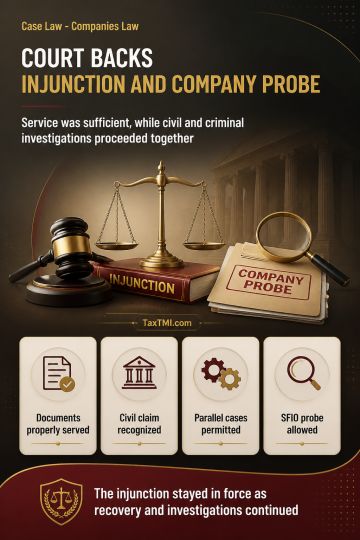
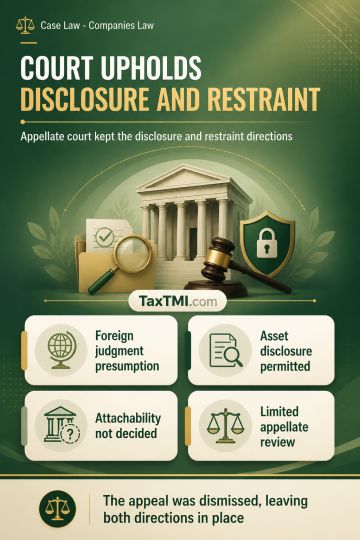
Ex parte injunction service requirements were substantially met, while civil recovery and SFIO investigation into provident fund defalcation continued...
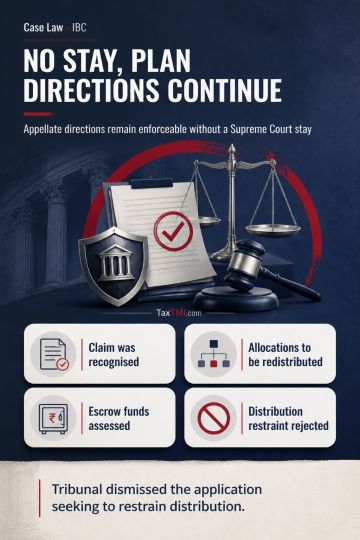
Enforcement of resolution-plan directions continues without a Supreme Court stay, preventing suspension of redistribution and escrowed-fund distributi...
Third-party ownership claims over attached property require Special Court adjudication where purchasers lack registered sale deeds and bona fides rema...
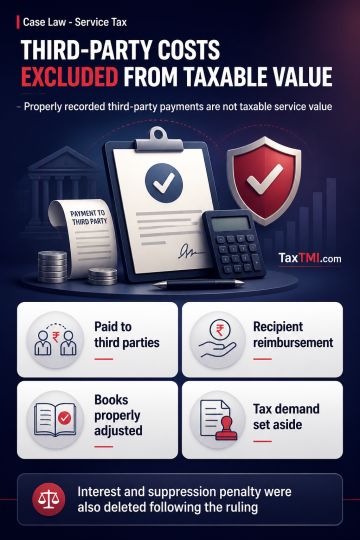
Pure-agent reimbursements in clearing and forwarding services are excluded from taxable value when qualifying third-party payments are properly record...
Customs relief for Strait of Hormuz maritime disruptions remains available, with existing conditions continuing unchanged through the extended validit...
The High Court considered a case involving dishonour of cheque due to insufficiency of funds, determining if a legally enforceable debt existed. The accused was acquitted of the offence u/s 138 of the Negotiable Instruments Act. The court assessed evidence to prove cheque execution, rebutting statutory presumptions u/s 139 and 118 of the NI Act. Referring to legal precedents, it highlighted the onus on the accused akin to civil proceedings and the standard of proof required to rebut presumptions. Emphasizing the principle that if two views are possible, an appellate court should not reverse an acquittal. The court upheld the finding that the accused successfully rebutted statutory presumptions, leading to dismissal of the appeal.
The High Court considered a case involving dishonour of cheque due to insufficiency of funds, determining if a legally enforceable debt existed. The accused was acquitted of the offence u/s 138 of the Negotiable Instruments Act. The court assessed evidence to prove cheque execution, rebutting statutory presumptions u/s 139 and 118 of the NI Act. Referring to legal precedents, it highlighted the onus on the accused akin to civil proceedings and the standard of proof required to rebut presumptions. Emphasizing the principle that if two views are possible, an appellate court should not reverse an acquittal. The court upheld the finding that the accused successfully rebutted statutory presumptions, leading to dismissal of the appeal.
Note: It is a system-generated summary and is for quick reference only.
 TaxTMI
 of 4803









 Join Channel


 TaxTMI