Transfer pricing requires evidence for AMP transactions, functionally reliable comparables, and appropriate aggregation or Berry Ratio benchmarking me...
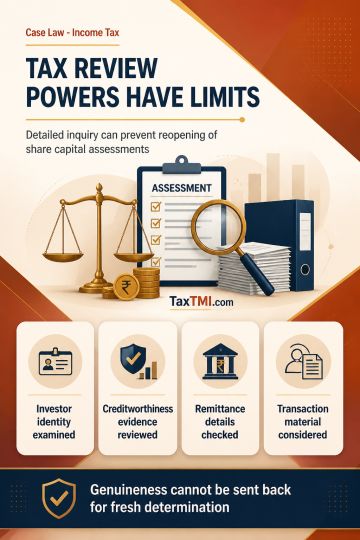
Revisionary jurisdiction cannot reopen share capital assessments where adequate inquiry supports a permissible view and no independent error is establ...
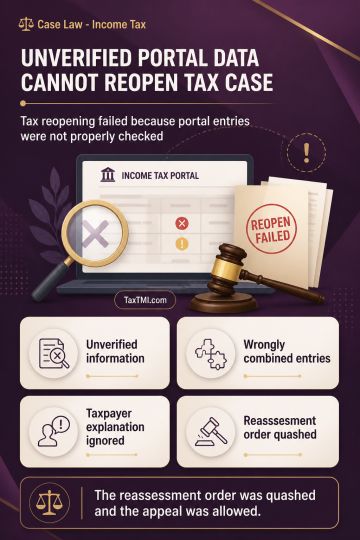
Reassessment jurisdiction fails where unverified portal information is aggregated without examining the taxpayer's explanation or relevance of entries...
Statutory sanction for delayed reassessment requires approval from the prescribed authority; approval by an inferior authority invalidates jurisdictio...
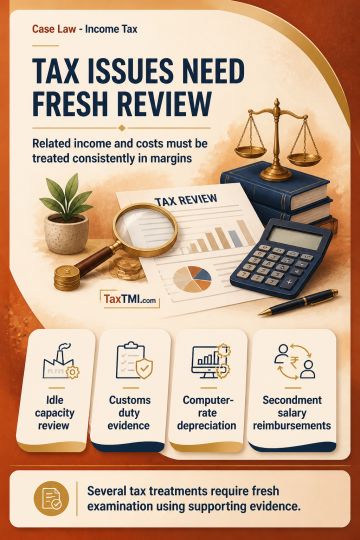
Transfer pricing margin adjustments require matching treatment of non-operating income and related costs, with comparability issues reconsidered on ev...
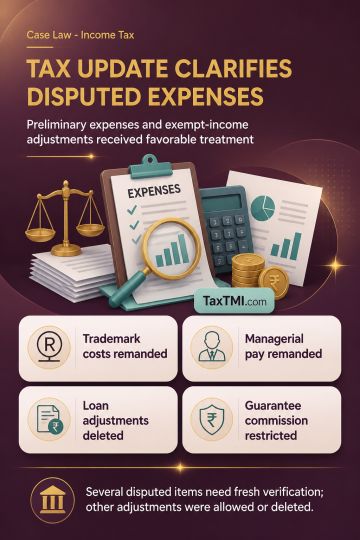
Preliminary-expense amortisation and MAT exempt-income adjustments prevailed, while trademark costs and managerial remuneration require fresh verifica...
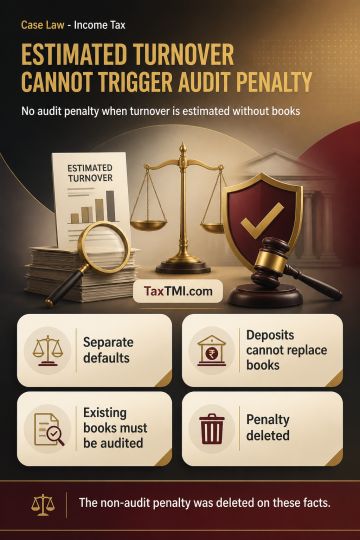
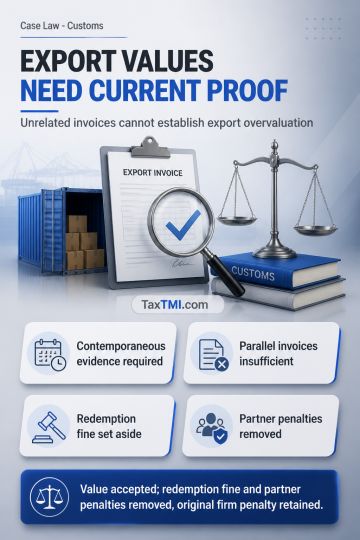
Export valuation requires contemporaneous evidence; unrelated invoices cannot prove overvaluation, and dual penalties on firm and partner are impermis...
The Appellate Tribunal found the Appellant in contravention of the Foreign Exchange Regulation Act (FERA) for instructing Indian Banks to credit accounts of non-residents, leading to prohibited transactions. The Tribunal directed the Appellant to provide an unconditional bank guarantee for the penalty amount u/s 52(2) of FERA. The Appellant's denial of responsibility despite initiating the transactions showed intentional engagement in prohibited activities. FERA aimed to regulate foreign exchange transactions for economic development. The burden of proof regarding culpable mental state was on the Appellant, which it failed to discharge, establishing abetment under FERA sections. The Tribunal deemed the penalty amount disproportionate to the offense and adjusted it for justice.
The Appellate Tribunal found the Appellant in contravention of the Foreign Exchange Regulation Act (FERA) for instructing Indian Banks to credit accounts of non-residents, leading to prohibited transactions. The Tribunal directed the Appellant to provide an unconditional bank guarantee for the penalty amount u/s 52(2) of FERA. The Appellant's denial of responsibility despite initiating the transactions showed intentional engagement in prohibited activities. FERA aimed to regulate foreign exchange transactions for economic development. The burden of proof regarding culpable mental state was on the Appellant, which it failed to discharge, establishing abetment under FERA sections. The Tribunal deemed the penalty amount disproportionate to the offense and adjusted it for justice.
Note: It is a system-generated summary and is for quick reference only.
 TaxTMI
 of 4798











 Join Channel


 TaxTMI
