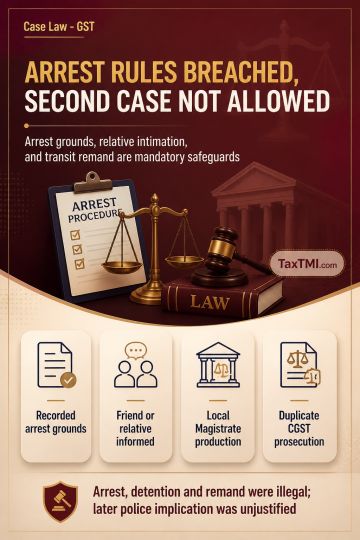
Arrest safeguards require disclosed grounds, relative intimation and transit remand, while duplicate prosecution under the CGST framework is unsustain...
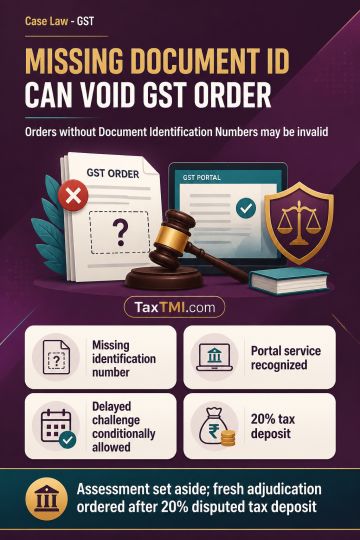
Document Identification Number defects can invalidate GST assessments, with delayed challenges entertained conditionally where patent irregularities e...
Windmill commissioning evidence supported higher depreciation where grid connection and electricity generation proved operational use before the relev...
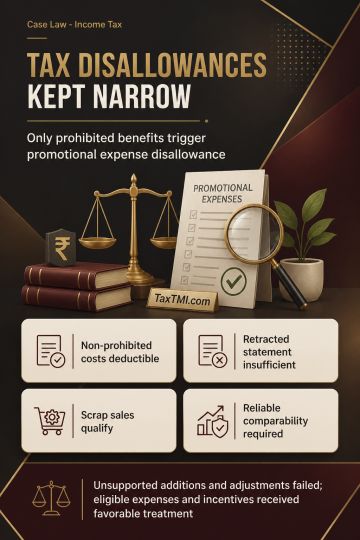
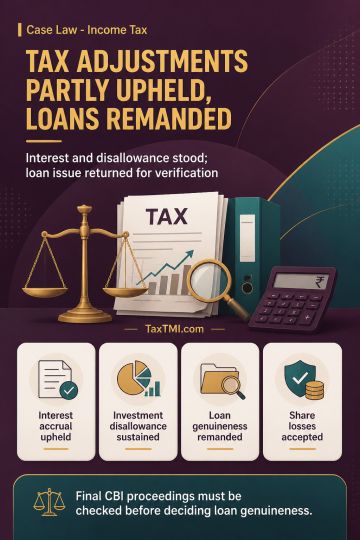
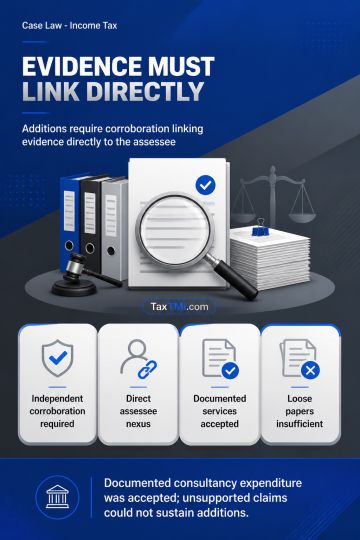
Pharmaceutical promotion and transfer-pricing comparability principles limited disallowances, while uncorroborated search allegations and unsupported ...
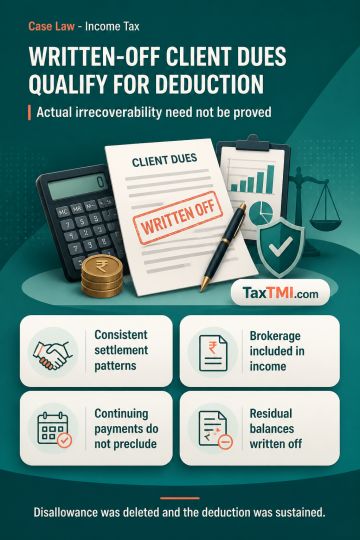
Business expenditure substantiation supports scrap credits, statutory payments and expense claims, while depreciation requires proof of actual busines...
The Appellate Tribunal found the Appellant in contravention of the Foreign Exchange Regulation Act (FERA) for instructing Indian Banks to credit accounts of non-residents, leading to prohibited transactions. The Tribunal directed the Appellant to provide an unconditional bank guarantee for the penalty amount u/s 52(2) of FERA. The Appellant's denial of responsibility despite initiating the transactions showed intentional engagement in prohibited activities. FERA aimed to regulate foreign exchange transactions for economic development. The burden of proof regarding culpable mental state was on the Appellant, which it failed to discharge, establishing abetment under FERA sections. The Tribunal deemed the penalty amount disproportionate to the offense and adjusted it for justice.
The Appellate Tribunal found the Appellant in contravention of the Foreign Exchange Regulation Act (FERA) for instructing Indian Banks to credit accounts of non-residents, leading to prohibited transactions. The Tribunal directed the Appellant to provide an unconditional bank guarantee for the penalty amount u/s 52(2) of FERA. The Appellant's denial of responsibility despite initiating the transactions showed intentional engagement in prohibited activities. FERA aimed to regulate foreign exchange transactions for economic development. The burden of proof regarding culpable mental state was on the Appellant, which it failed to discharge, establishing abetment under FERA sections. The Tribunal deemed the penalty amount disproportionate to the offense and adjusted it for justice.
Note: It is a system-generated summary and is for quick reference only.
 TaxTMI
 of 4805











 Join Channel


 TaxTMI