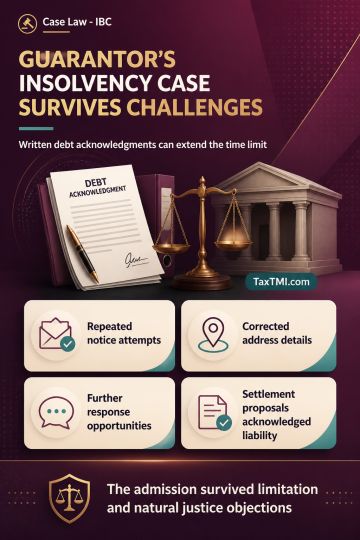
Service of notice and contractual debt acknowledgment preserved insolvency admission against a corporate guarantor despite limitation and natural just...
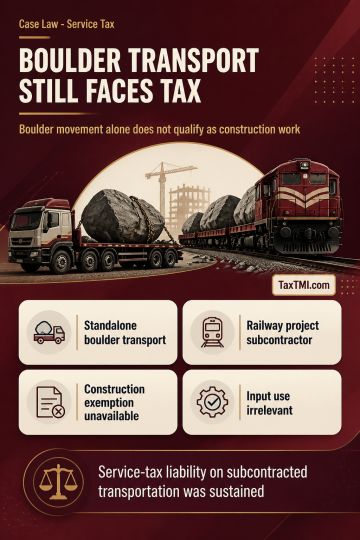
Original works exemption excludes standalone boulder transportation, leaving subcontracted railway-project transport services subject to service tax l...
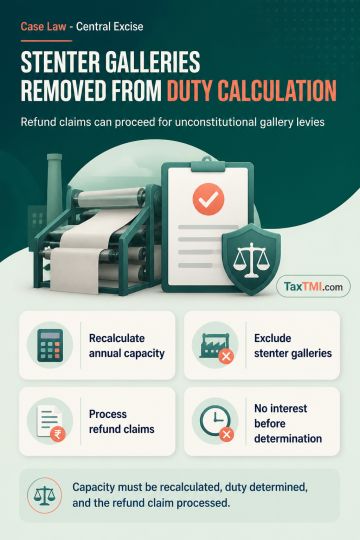
Annual production capacity determinations excluding stenter galleries support refunds for unconstitutional excise levies without an unjust-enrichment ...
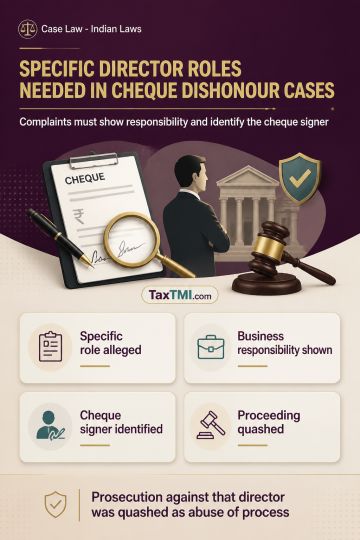
Vicarious liability for cheque dishonour requires specific allegations of responsibility and cheque signatory; generic director allegations cannot sus...
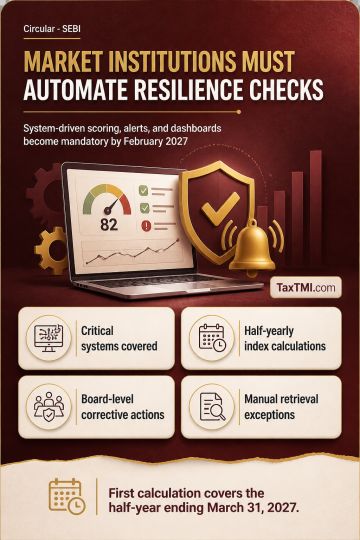
IT Resilience Index requires market infrastructure institutions to automate resilience scoring, early warnings, and continuous service-delivery monito...
The Appellate Tribunal considered the disallowance of club expenses to determine if they were incurred for business purposes. It held that the Assessing Officer's addition based on the expenses being personal was erroneous. As a company, the assessee would not have personal expenses. The Tribunal emphasized that a company, as a juristic person, does not have personal expenses like individuals. The High Court decision in Sayaji Iron & Engg.Co. vs CIT supported this view, stating that a company is a distinct assessable entity. The Tribunal found that the lower authorities failed to assess whether the expenses were incurred in the course of business. The CIT(A)'s findings lacked specificity on the nature of the expenses, and a mere assertion of personal nature without proper examination was insufficient. The Tribunal allowed the assessee's appeal, emphasizing the legal provisions of u/s 40(c) and u/s 40A(5) to support its decision.
The Appellate Tribunal considered the disallowance of club expenses to determine if they were incurred for business purposes. It held that the Assessing Officer's addition based on the expenses being personal was erroneous. As a company, the assessee would not have personal expenses. The Tribunal emphasized that a company, as a juristic person, does not have personal expenses like individuals. The High Court decision in Sayaji Iron & Engg.Co. vs CIT supported this view, stating that a company is a distinct assessable entity. The Tribunal found that the lower authorities failed to assess whether the expenses were incurred in the course of business. The CIT(A)'s findings lacked specificity on the nature of the expenses, and a mere assertion of personal nature without proper examination was insufficient. The Tribunal allowed the assessee's appeal, emphasizing the legal provisions of u/s 40(c) and u/s 40A(5) to support its decision.
Note: It is a system-generated summary and is for quick reference only.
 TaxTMI
  TaxTMI
 of 4828










 Join Channel