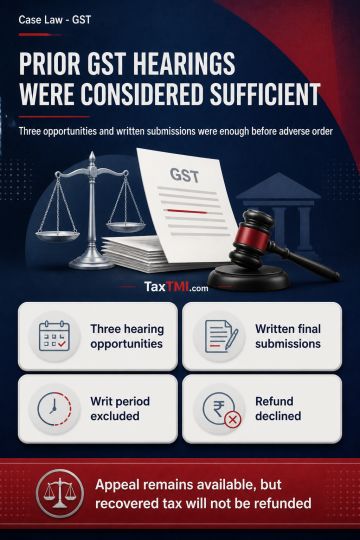
Personal hearing requirements in GST adjudication were satisfied by prior opportunities and written submissions; appellate limitation received writ-pe...
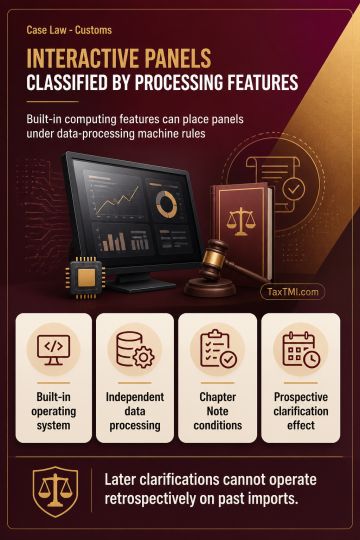
Interactive flat panels meeting automatic data processing conditions are distinguished from monitors, while later classification clarifications apply ...
The Appellate Tribunal addressed the status of the assessee as a trust or AOP, focusing on the taxability of income in the hands of the Appellant Trust versus beneficiaries. The Tribunal held that the trust was valid u/s Indian Trust Act, 1882, rejecting the AO's argument that the trust was not valid due to contributors and beneficiaries being the same. It was determined that the assessee was not an AOP as beneficiaries did not jointly aim to earn income. The income was deemed taxable in the hands of beneficiaries u/s 61 to 63 of the Act, as the trust was revocable and not indeterminate. The Tribunal allowed the appeal, concluding that the income should be assessed in the hands of beneficiaries, not the trust.
The Appellate Tribunal addressed the status of the assessee as a trust or AOP, focusing on the taxability of income in the hands of the Appellant Trust versus beneficiaries. The Tribunal held that the trust was valid u/s Indian Trust Act, 1882, rejecting the AO's argument that the trust was not valid due to contributors and beneficiaries being the same. It was determined that the assessee was not an AOP as beneficiaries did not jointly aim to earn income. The income was deemed taxable in the hands of beneficiaries u/s 61 to 63 of the Act, as the trust was revocable and not indeterminate. The Tribunal allowed the appeal, concluding that the income should be assessed in the hands of beneficiaries, not the trust.
Note: It is a system-generated summary and is for quick reference only.
 TaxTMI
 of 4786










 Join Channel


 TaxTMI