Functional comparability under TNMM requires highway contract benchmarks to reflect operation, maintenance and transfer activities, requiring fresh be...
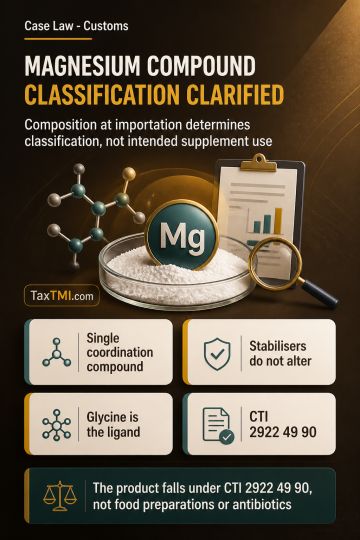
Objective characteristics govern magnesium bis-glycinate chelate classification as an amino-acid coordination compound, not a food preparation or anti...
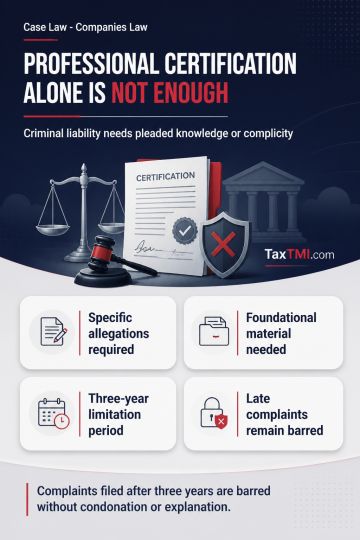
Independent professional certification requires pleaded knowledge or complicity for criminal liability; untimely complaints remain barred by limitatio...
The Appellate Tribunal addressed the status of the assessee as a trust or AOP, focusing on the taxability of income in the hands of the Appellant Trust versus beneficiaries. The Tribunal held that the trust was valid u/s Indian Trust Act, 1882, rejecting the AO's argument that the trust was not valid due to contributors and beneficiaries being the same. It was determined that the assessee was not an AOP as beneficiaries did not jointly aim to earn income. The income was deemed taxable in the hands of beneficiaries u/s 61 to 63 of the Act, as the trust was revocable and not indeterminate. The Tribunal allowed the appeal, concluding that the income should be assessed in the hands of beneficiaries, not the trust.
The Appellate Tribunal addressed the status of the assessee as a trust or AOP, focusing on the taxability of income in the hands of the Appellant Trust versus beneficiaries. The Tribunal held that the trust was valid u/s Indian Trust Act, 1882, rejecting the AO's argument that the trust was not valid due to contributors and beneficiaries being the same. It was determined that the assessee was not an AOP as beneficiaries did not jointly aim to earn income. The income was deemed taxable in the hands of beneficiaries u/s 61 to 63 of the Act, as the trust was revocable and not indeterminate. The Tribunal allowed the appeal, concluding that the income should be assessed in the hands of beneficiaries, not the trust.
Note: It is a system-generated summary and is for quick reference only.
 TaxTMI
 of 4782












 Join Channel


 TaxTMI