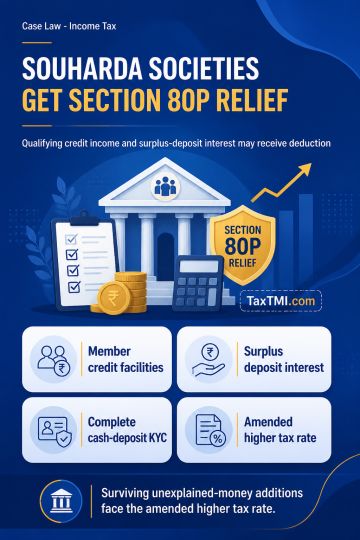
Section 80P deduction covers Souharda credit societies, including qualifying surplus-deposit interest, subject to member KYC verification for cash dep...
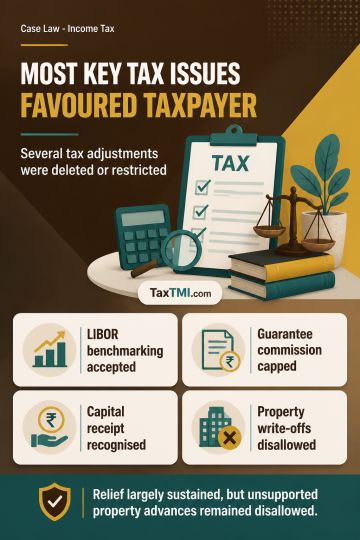
Transfer-pricing benchmarking and capital-receipt principles sustained taxpayer relief, while unsupported property-advance write-offs remained disallo...
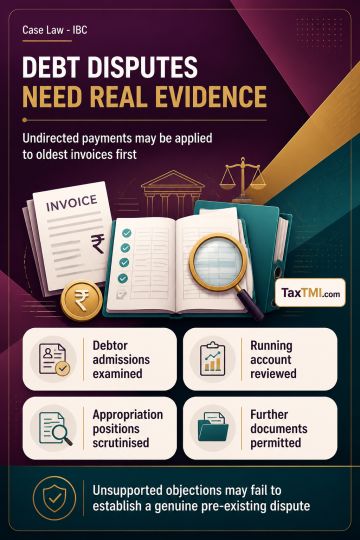
Pre-existing operational debt disputes require genuine evidence, while undirected running-account payments may be appropriated on a first-in-first-out...
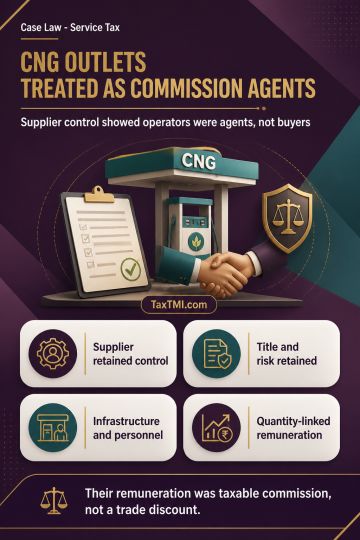
Agency in CNG distribution makes outlet operators commission agents, rendering taxable Business Auxiliary Service rather than purchasing goods for res...
The Appellate Tribunal considered whether the assessee, a trust registered u/s 12AA, qualified for exemption u/s 11 as a charitable entity. The AO argued the trust's activities were commercial due to rental receipts exceeding Rs. 25 lakhs, thus not charitable u/s 2(15). The CIT(A) allowed exemption. The Tribunal found no profit motive in the trust's activities, with funds invested for charitable purposes. The AO failed to justify treating rental income as commercial. The Tribunal cited a Supreme Court case allowing a 20% mark-up on receipts for exemption. The CBDT clarified that mere receipts do not make income commercial. The proviso to section 2(15) requires public utility activities not exceeding 20% of total receipts for exemption. As rent receipts were below 20%, the proviso didn't apply. Even if it did, full exemption u/s 11 couldn't be withdrawn. The Tribunal upheld the CIT(A)'s decision to grant benefits u/s 11 & 12, ruling against the revenue authority.
The Appellate Tribunal considered whether the assessee, a trust registered u/s 12AA, qualified for exemption u/s 11 as a charitable entity. The AO argued the trust's activities were commercial due to rental receipts exceeding Rs. 25 lakhs, thus not charitable u/s 2(15). The CIT(A) allowed exemption. The Tribunal found no profit motive in the trust's activities, with funds invested for charitable purposes. The AO failed to justify treating rental income as commercial. The Tribunal cited a Supreme Court case allowing a 20% mark-up on receipts for exemption. The CBDT clarified that mere receipts do not make income commercial. The proviso to section 2(15) requires public utility activities not exceeding 20% of total receipts for exemption. As rent receipts were below 20%, the proviso didn't apply. Even if it did, full exemption u/s 11 couldn't be withdrawn. The Tribunal upheld the CIT(A)'s decision to grant benefits u/s 11 & 12, ruling against the revenue authority.
Note: It is a system-generated summary and is for quick reference only.
 TaxTMI
 of 4792




 Join Channel


 TaxTMI
