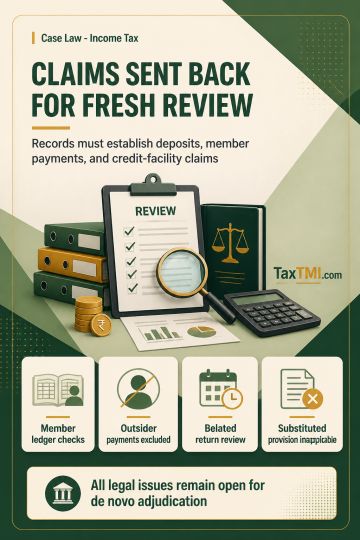
Cooperative society deposits, member-interest TDS exemption and credit-facility deduction claims require verification through records and supporting e...
Customs jurisdiction over EPCG condition breaches survives export-obligation discharge certificates, requiring alleged fraud and misdeclaration to be ...
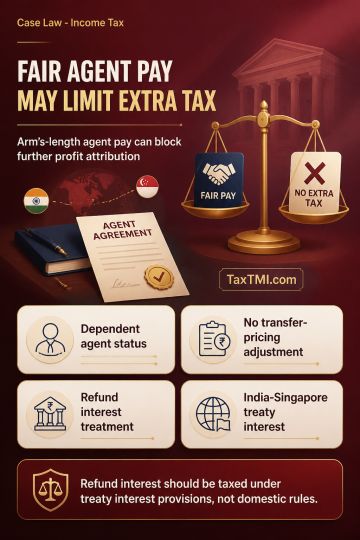
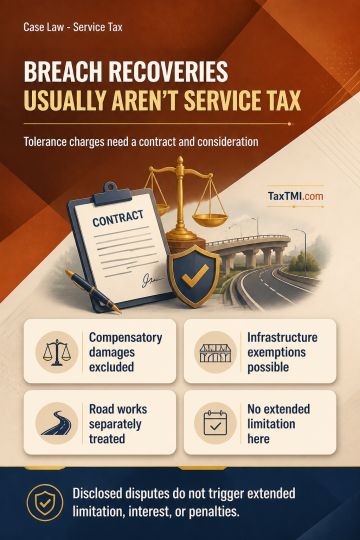
Contractual tolerance requires consideration; breach recoveries, qualifying public infrastructure services and road works escape service tax liability...
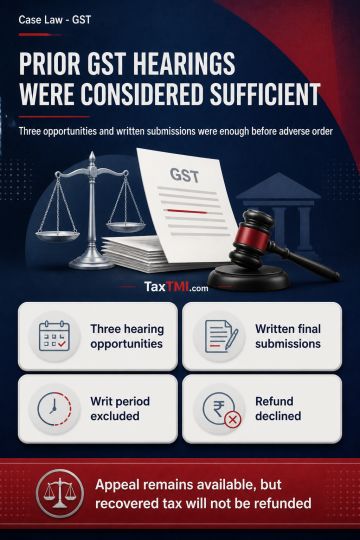
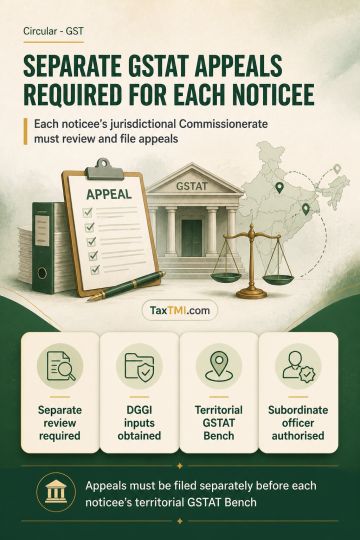
Personal hearing requirements in GST adjudication were satisfied by prior opportunities and written submissions; appellate limitation received writ-pe...
Page of 4790
Press 'Enter' after typing page number.
581 to 600 of 95794 Results
❮
❯
❯❯
0 / 200
Expand Note
Add to Folder
No Folders have been created
+
Are you sure you want to delete "My most important" ?
The Appellate Tribunal considered whether the assessee, a trust registered u/s 12AA, qualified for exemption u/s 11 as a charitable entity. The AO argued the trust's activities were commercial due to rental receipts exceeding Rs. 25 lakhs, thus not charitable u/s 2(15). The CIT(A) allowed exemption. The Tribunal found no profit motive in the trust's activities, with funds invested for charitable purposes. The AO failed to justify treating rental income as commercial. The Tribunal cited a Supreme Court case allowing a 20% mark-up on receipts for exemption. The CBDT clarified that mere receipts do not make income commercial. The proviso to section 2(15) requires public utility activities not exceeding 20% of total receipts for exemption. As rent receipts were below 20%, the proviso didn't apply. Even if it did, full exemption u/s 11 couldn't be withdrawn. The Tribunal upheld the CIT(A)'s decision to grant benefits u/s 11 & 12, ruling against the revenue authority.
The Appellate Tribunal considered whether the assessee, a trust registered u/s 12AA, qualified for exemption u/s 11 as a charitable entity. The AO argued the trust's activities were commercial due to rental receipts exceeding Rs. 25 lakhs, thus not charitable u/s 2(15). The CIT(A) allowed exemption. The Tribunal found no profit motive in the trust's activities, with funds invested for charitable purposes. The AO failed to justify treating rental income as commercial. The Tribunal cited a Supreme Court case allowing a 20% mark-up on receipts for exemption. The CBDT clarified that mere receipts do not make income commercial. The proviso to section 2(15) requires public utility activities not exceeding 20% of total receipts for exemption. As rent receipts were below 20%, the proviso didn't apply. Even if it did, full exemption u/s 11 couldn't be withdrawn. The Tribunal upheld the CIT(A)'s decision to grant benefits u/s 11 & 12, ruling against the revenue authority.
Note: It is a system-generated summary and is for quick reference only.
 TaxTMI
 of 4790





 Join Channel


 TaxTMI