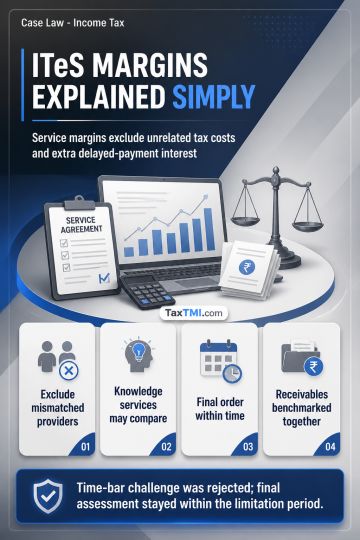
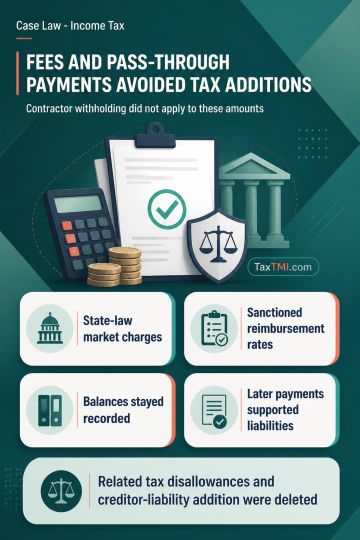
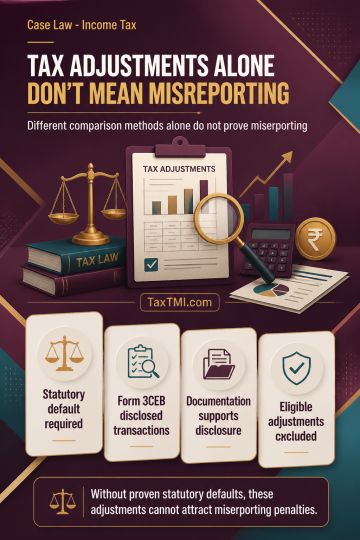
Transfer-pricing treatment of ITeS margins excludes pass-through tax recoveries and separate delayed-receivables interest after working-capital adjust...
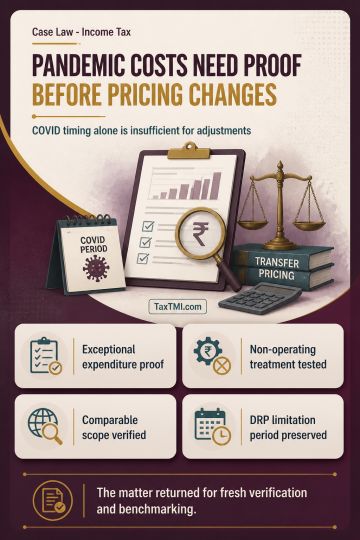
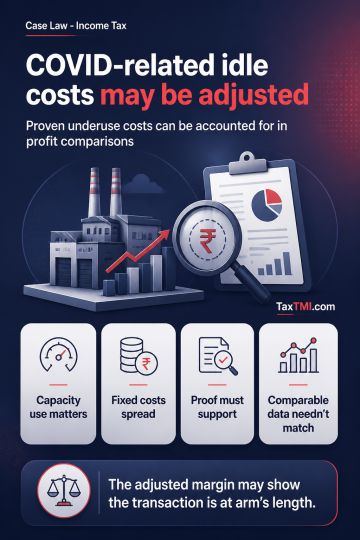
Capacity-utilisation adjustments under TNMM can neutralise substantiated COVID-related idle costs where underutilisation materially affects profitabil...
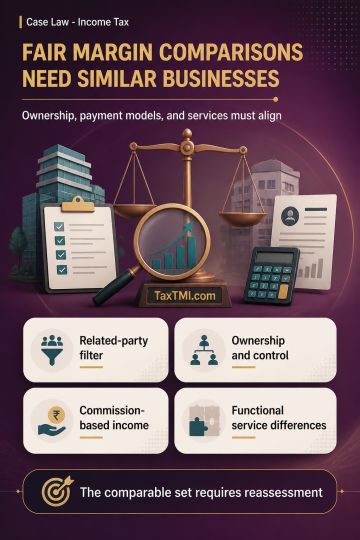
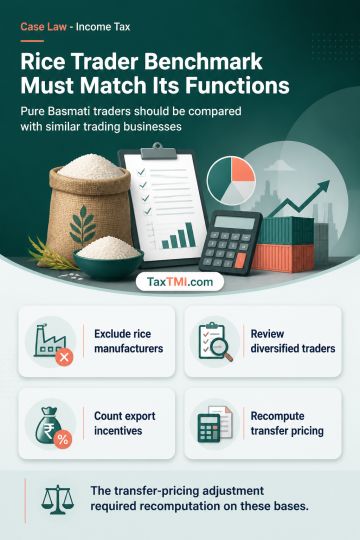
TNMM functional comparability requires excluding rice manufacturers from a pure Basmati rice trader's benchmark and recognising operating export recei...
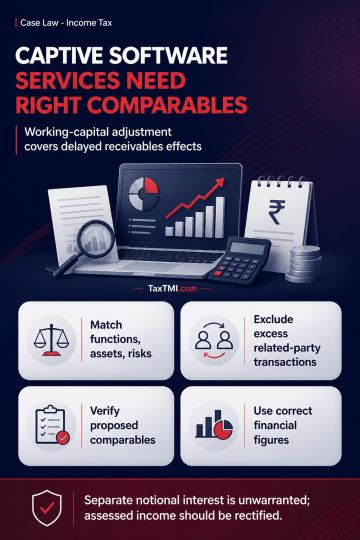
Working-capital adjustment subsumes delayed-receivable effects in TNMM benchmarking of captive software-development services, avoiding separate notion...
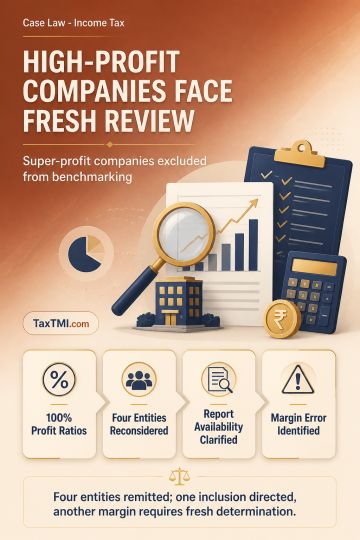
Transfer-pricing comparability requires exclusion of financially illogical super-profit comparables and correction of unsupported annual-report and ma...
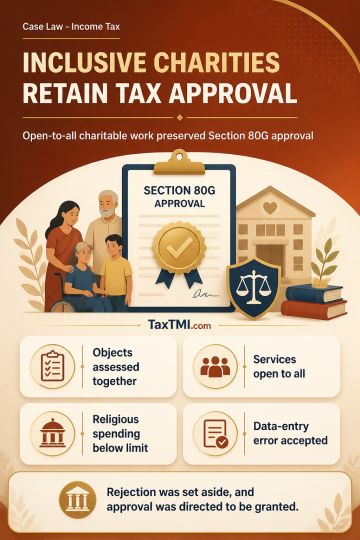
Charitable character assessment preserves Section 80G approval despite inclusive spiritual teachings and incidental religious expenditure within the s...
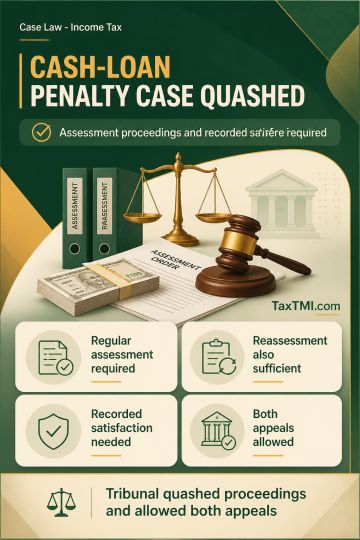
Penalty proceedings for cash-loan acceptance require assessment proceedings and recorded Assessing Officer satisfaction; absent these, the proceedings...
Page of 4828
Press 'Enter' after typing page number.
161 to 180 of 96556 Results
❮
❯
❯❯
0 / 200
Expand Note
Add to Folder
No Folders have been created
+
Are you sure you want to delete "My most important" ?
The Appellate Tribunal addressed the rejection of the assessee's claim for a lower tax rate u/s 115BAA due to non-filing of Form 10IC on time. The CIT(A) dismissed the appeal, emphasizing strict compliance with beneficial provisions. However, the Tribunal noted the timely declaration of intent in the tax audit report, indicating the assessee's bona fide belief in the concessional tax regime. Referring to the Zenith Processing Mills case, the Tribunal held that procedural requirements like Form 10IC can be fulfilled during assessment proceedings. Emphasizing substantive benefits over procedural lapses, the Tribunal cited the G.M. Knitting Industries case, stating that timing of claim submission is directory. The Tribunal highlighted CBDT Circulars extending filing deadlines as recognition of procedural challenges. Denying the benefit solely for a filing delay would be unjust, given the assessee's eligibility for the lower tax rate.
The Appellate Tribunal addressed the rejection of the assessee's claim for a lower tax rate u/s 115BAA due to non-filing of Form 10IC on time. The CIT(A) dismissed the appeal, emphasizing strict compliance with beneficial provisions. However, the Tribunal noted the timely declaration of intent in the tax audit report, indicating the assessee's bona fide belief in the concessional tax regime. Referring to the Zenith Processing Mills case, the Tribunal held that procedural requirements like Form 10IC can be fulfilled during assessment proceedings. Emphasizing substantive benefits over procedural lapses, the Tribunal cited the G.M. Knitting Industries case, stating that timing of claim submission is directory. The Tribunal highlighted CBDT Circulars extending filing deadlines as recognition of procedural challenges. Denying the benefit solely for a filing delay would be unjust, given the assessee's eligibility for the lower tax rate.
Note: It is a system-generated summary and is for quick reference only.
 TaxTMI
  TaxTMI
 of 4828




 Join Channel