TNMM functional comparability requires excluding rice manufacturers from a pure Basmati rice trader's benchmark and recognising operating export recei...
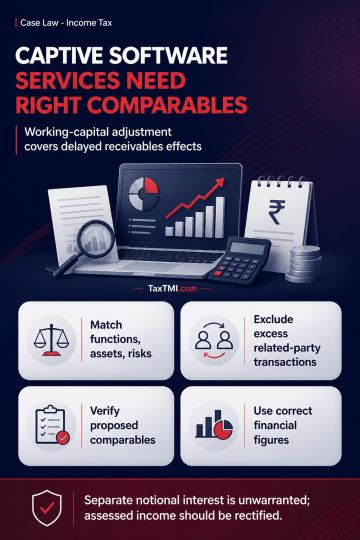
Working-capital adjustment subsumes delayed-receivable effects in TNMM benchmarking of captive software-development services, avoiding separate notion...
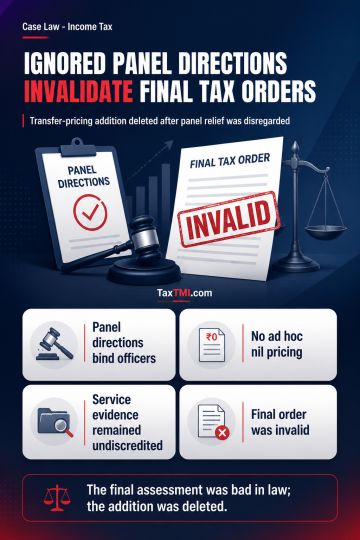
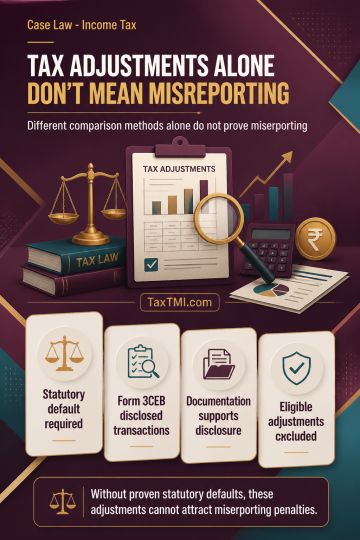
Transfer-pricing comparability requires exclusion of financially illogical super-profit comparables and correction of unsupported annual-report and ma...
Charitable character assessment preserves Section 80G approval despite inclusive spiritual teachings and incidental religious expenditure within the s...
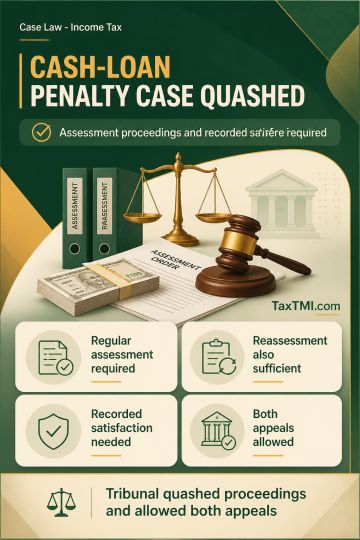
Penalty proceedings for cash-loan acceptance require assessment proceedings and recorded Assessing Officer satisfaction; absent these, the proceedings...
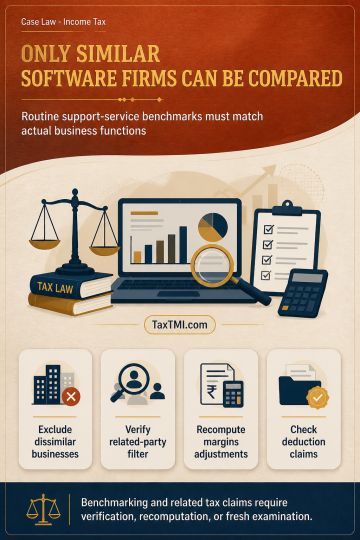
Functional comparability governs software-service benchmarking: dissimilar companies are excluded, while related-party filters, margins and working-ca...
The High Court addressed the challenge to the acquittal of the accused u/s 255(1) of Cr. P. C. for dishonoring a cheque due to insufficient funds. It clarified that the statutory notice period starts from the date of receiving information from the bank about the dishonored cheque, not the exact dishonor date. The court upheld the validity of the notice despite the inclusion of a demand for legal interest alongside the cheque amount. Citing Suman Sethi v. Ajay K. Churiwal, it emphasized that separate claims in the notice are permissible and do not invalidate it. Consequently, the accused was convicted u/s 138 of the NI Act, sentenced to imprisonment till the rising of the court, and ordered to pay Rs.70,000 compensation u/s 357(3) Cr.P.C, with a default clause for further imprisonment if the compensation is not paid. The appeal was allowed, overturning the previous judgment.
The High Court addressed the challenge to the acquittal of the accused u/s 255(1) of Cr. P. C. for dishonoring a cheque due to insufficient funds. It clarified that the statutory notice period starts from the date of receiving information from the bank about the dishonored cheque, not the exact dishonor date. The court upheld the validity of the notice despite the inclusion of a demand for legal interest alongside the cheque amount. Citing Suman Sethi v. Ajay K. Churiwal, it emphasized that separate claims in the notice are permissible and do not invalidate it. Consequently, the accused was convicted u/s 138 of the NI Act, sentenced to imprisonment till the rising of the court, and ordered to pay Rs.70,000 compensation u/s 357(3) Cr.P.C, with a default clause for further imprisonment if the compensation is not paid. The appeal was allowed, overturning the previous judgment.
Note: It is a system-generated summary and is for quick reference only.
 TaxTMI
  TaxTMI
 of 4830















 Join Channel


