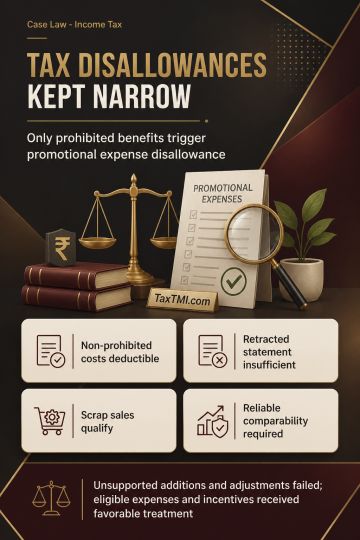
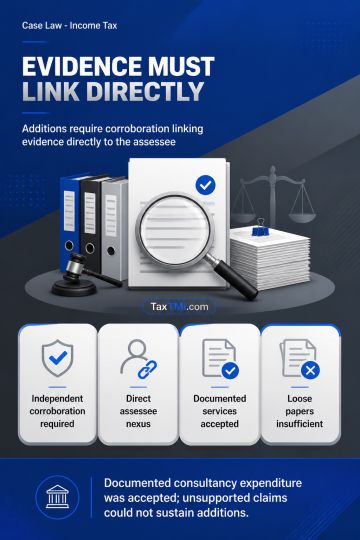
Pharmaceutical promotion and transfer-pricing comparability principles limited disallowances, while uncorroborated search allegations and unsupported ...
Business expenditure substantiation supports scrap credits, statutory payments and expense claims, while depreciation requires proof of actual busines...
The ITAT considered the condonation of delay in filing appeals before the CIT(A). The delay of 93 days was attributed to pursuing alternative remedies in the High Court. The ITAT held that the delay was reasonable and not willful, supported by legal precedent. The ITAT emphasized that the cause for delay is crucial, not just the duration. Citing a case where a 21-year delay was condoned, the ITAT found the 93-day delay acceptable. The delay was condoned u/s 253(5) of the Act. Regarding ex-parte assessment orders, the ITAT referred to a High Court decision criticizing the AO's failure to consider the assessee's submissions. The matter was remitted back to the AO for reconsideration, emphasizing adherence to principles of natural justice.
The ITAT considered the condonation of delay in filing appeals before the CIT(A). The delay of 93 days was attributed to pursuing alternative remedies in the High Court. The ITAT held that the delay was reasonable and not willful, supported by legal precedent. The ITAT emphasized that the cause for delay is crucial, not just the duration. Citing a case where a 21-year delay was condoned, the ITAT found the 93-day delay acceptable. The delay was condoned u/s 253(5) of the Act. Regarding ex-parte assessment orders, the ITAT referred to a High Court decision criticizing the AO's failure to consider the assessee's submissions. The matter was remitted back to the AO for reconsideration, emphasizing adherence to principles of natural justice.
Note: It is a system-generated summary and is for quick reference only.
 TaxTMI
 of 4801








 Join Channel


 TaxTMI
