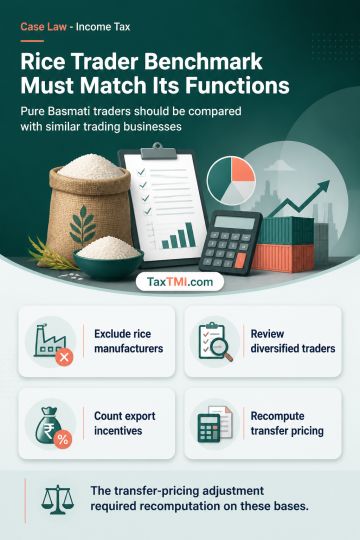
TNMM functional comparability requires excluding rice manufacturers from a pure Basmati rice trader's benchmark and recognising operating export recei...
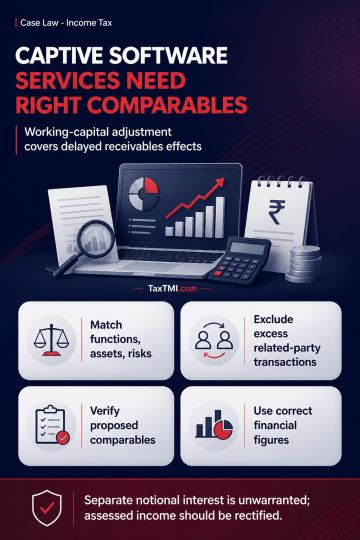
Working-capital adjustment subsumes delayed-receivable effects in TNMM benchmarking of captive software-development services, avoiding separate notion...
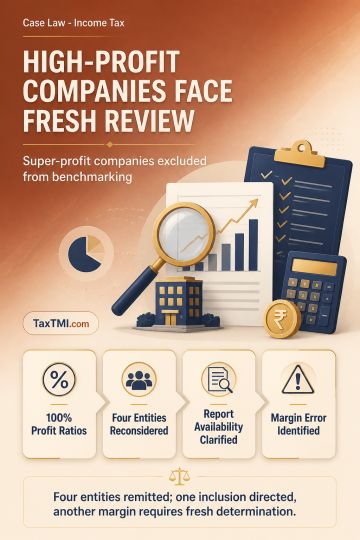
Transfer-pricing comparability requires exclusion of financially illogical super-profit comparables and correction of unsupported annual-report and ma...
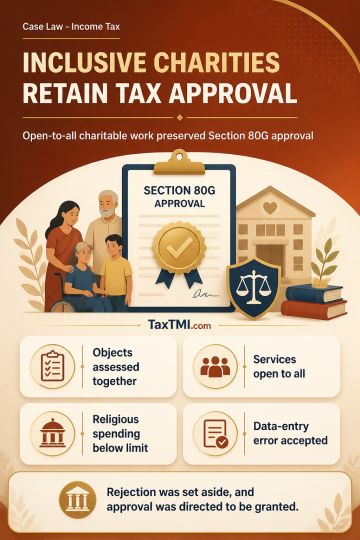
Charitable character assessment preserves Section 80G approval despite inclusive spiritual teachings and incidental religious expenditure within the s...
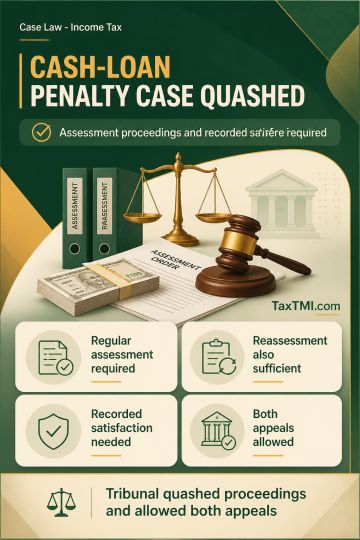
Penalty proceedings for cash-loan acceptance require assessment proceedings and recorded Assessing Officer satisfaction; absent these, the proceedings...
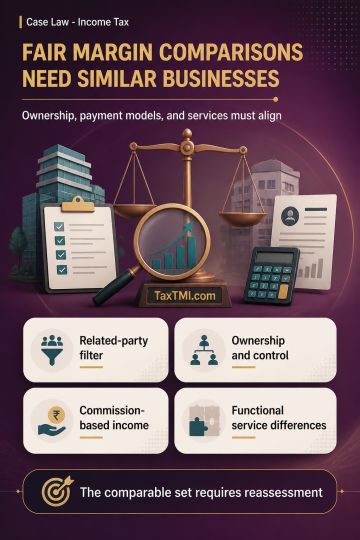
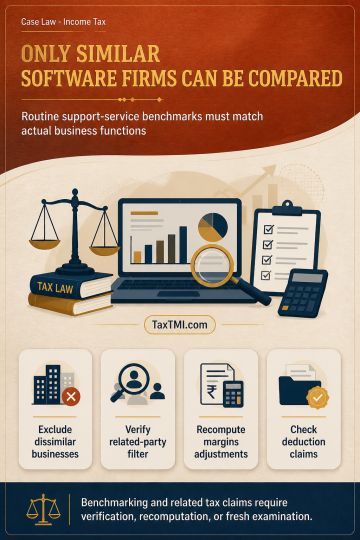
Functional comparability governs software-service benchmarking: dissimilar companies are excluded, while related-party filters, margins and working-ca...
The High Court considered the validity of reassessment proceedings regarding the taxability of income without Permanent Establishment in India under India-Japan DTAA, specifically income from the sale/trade of canned software. The Court found the respondent's failure to address fundamental challenges raised by the petitioner, including the contention that the income from software sales did not constitute royalty and the absence of a Permanent Establishment in India. The respondent's responses were deemed inadequate as they deferred critical determinations on royalty and Permanent Establishment for further verification, contrary to the requirement of subjective satisfaction before initiating reassessment. Consequently, the Court quashed the order and notice under sections 148A (d) and 148 in favor of the assessee.
The High Court considered the validity of reassessment proceedings regarding the taxability of income without Permanent Establishment in India under India-Japan DTAA, specifically income from the sale/trade of canned software. The Court found the respondent's failure to address fundamental challenges raised by the petitioner, including the contention that the income from software sales did not constitute royalty and the absence of a Permanent Establishment in India. The respondent's responses were deemed inadequate as they deferred critical determinations on royalty and Permanent Establishment for further verification, contrary to the requirement of subjective satisfaction before initiating reassessment. Consequently, the Court quashed the order and notice under sections 148A (d) and 148 in favor of the assessee.
Note: It is a system-generated summary and is for quick reference only.
 TaxTMI
  TaxTMI
 of 4830







 Join Channel


