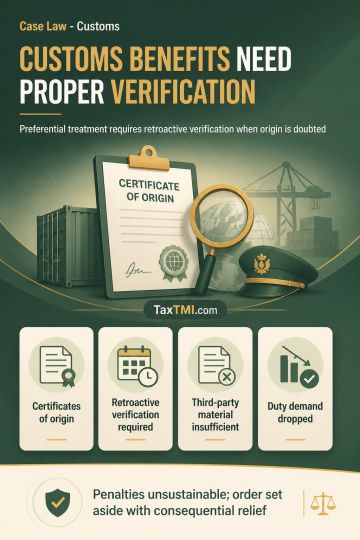
Certificate-of-origin verification procedure governs preferential customs benefits; denial without retroactive verification was set aside with consequ...
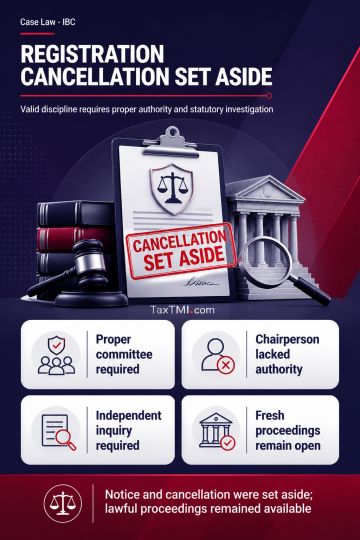
Disciplinary Committee jurisdiction and mandatory investigation requirements invalidated cancellation of an insolvency professional's registration and...
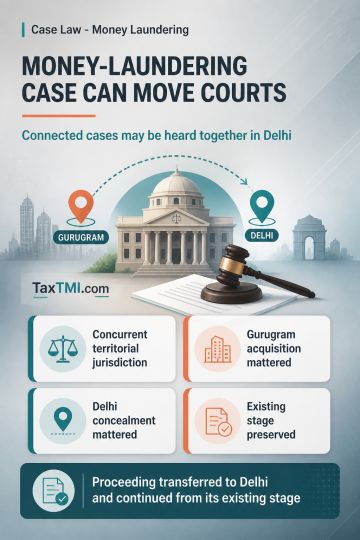
Retention of seized property survives where recorded reasons support proceeds of crime, while stayed investigation periods are excluded from limitatio...
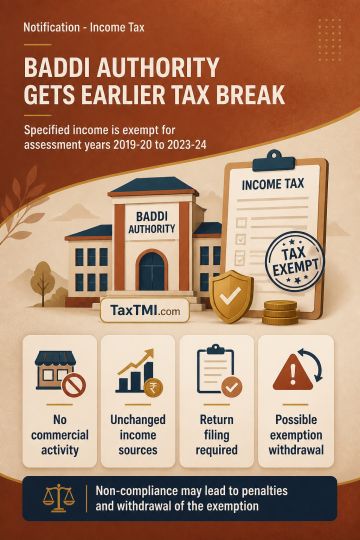
Specified income of Baddi Barotiwala Nalagarh Development Authority receives conditional tax exemption, retrospectively covering its designated assess...
Specified development authority income receives retrospective tax exemption, subject to non-commercial activity, unchanged income sources, and return-...
Unified Brand India framework introduces voluntary Trust Mark certification and funding support for export branding, packaging and global promotional ...
Origin Declaration authentication governs preferential tariff claims under India-UK CETA, requiring a validated reference number before import clearan...
Page of 4803
Press 'Enter' after typing page number.
1181 to 1200 of 96046 Results
❮
❯
❯❯
0 / 200
Expand Note
Add to Folder
No Folders have been created
+
Are you sure you want to delete "My most important" ?
The Appellate Tribunal addressed issues regarding the method of valuation of electrical motors, whether to apply Rule 8 or Rule 4 of the Central Excise (Valuation) Rules, 2000. Following the precedent set by a Larger Bench decision, the Tribunal upheld the demand for valuation based on the spares market for all clearances, including captive consumption and warranty replacements. Regarding time limitation and cum-duty benefit, the Tribunal found no intentional suppression of facts, as the issue was not without controversy. The Tribunal noted that the original show-cause notice did not allege suppression, and since all assemblies were dutifully disclosed, willful suppression could not be claimed. The Tribunal upheld demands within the normal period, extended cum-duty benefit, set aside penalties under Section 11AC, and remanded the matter for duty recomputation.
The Appellate Tribunal addressed issues regarding the method of valuation of electrical motors, whether to apply Rule 8 or Rule 4 of the Central Excise (Valuation) Rules, 2000. Following the precedent set by a Larger Bench decision, the Tribunal upheld the demand for valuation based on the spares market for all clearances, including captive consumption and warranty replacements. Regarding time limitation and cum-duty benefit, the Tribunal found no intentional suppression of facts, as the issue was not without controversy. The Tribunal noted that the original show-cause notice did not allege suppression, and since all assemblies were dutifully disclosed, willful suppression could not be claimed. The Tribunal upheld demands within the normal period, extended cum-duty benefit, set aside penalties under Section 11AC, and remanded the matter for duty recomputation.
Note: It is a system-generated summary and is for quick reference only.
 TaxTMI
 of 4803












 Join Channel


 TaxTMI