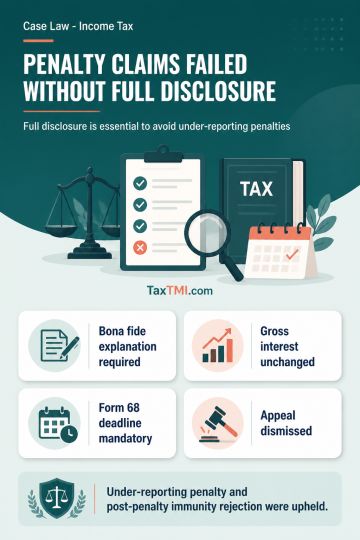
Bona fide disclosure requirements govern under-reporting penalties, and post-penalty immunity applications cannot secure available statutory protectio...
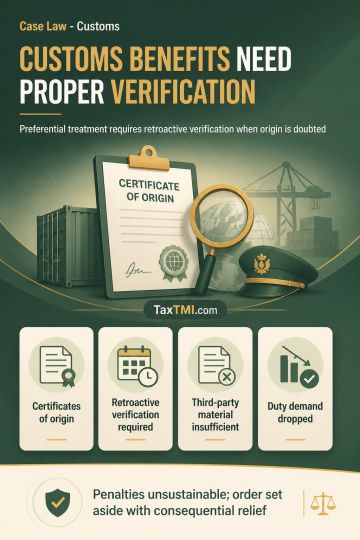
Certificate-of-origin verification procedure governs preferential customs benefits; denial without retroactive verification was set aside with consequ...
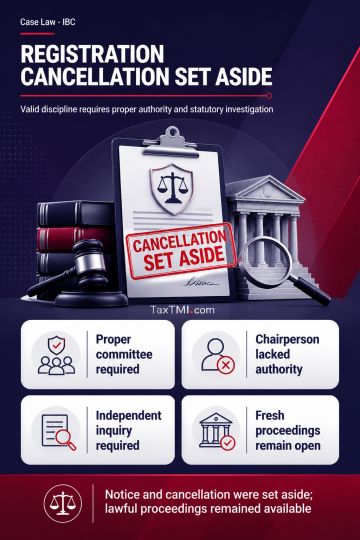
Disciplinary Committee jurisdiction and mandatory investigation requirements invalidated cancellation of an insolvency professional's registration and...
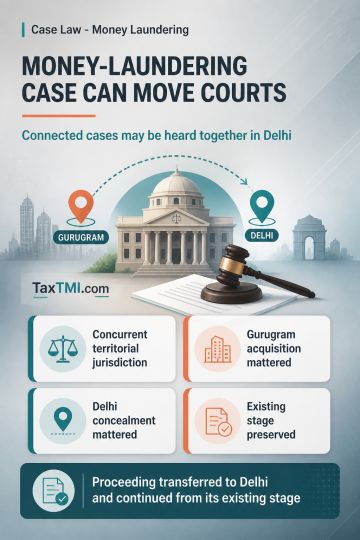
Retention of seized property survives where recorded reasons support proceeds of crime, while stayed investigation periods are excluded from limitatio...
The Appellate Tribunal addressed issues regarding the method of valuation of electrical motors, whether to apply Rule 8 or Rule 4 of the Central Excise (Valuation) Rules, 2000. Following the precedent set by a Larger Bench decision, the Tribunal upheld the demand for valuation based on the spares market for all clearances, including captive consumption and warranty replacements. Regarding time limitation and cum-duty benefit, the Tribunal found no intentional suppression of facts, as the issue was not without controversy. The Tribunal noted that the original show-cause notice did not allege suppression, and since all assemblies were dutifully disclosed, willful suppression could not be claimed. The Tribunal upheld demands within the normal period, extended cum-duty benefit, set aside penalties under Section 11AC, and remanded the matter for duty recomputation.
The Appellate Tribunal addressed issues regarding the method of valuation of electrical motors, whether to apply Rule 8 or Rule 4 of the Central Excise (Valuation) Rules, 2000. Following the precedent set by a Larger Bench decision, the Tribunal upheld the demand for valuation based on the spares market for all clearances, including captive consumption and warranty replacements. Regarding time limitation and cum-duty benefit, the Tribunal found no intentional suppression of facts, as the issue was not without controversy. The Tribunal noted that the original show-cause notice did not allege suppression, and since all assemblies were dutifully disclosed, willful suppression could not be claimed. The Tribunal upheld demands within the normal period, extended cum-duty benefit, set aside penalties under Section 11AC, and remanded the matter for duty recomputation.
Note: It is a system-generated summary and is for quick reference only.
 TaxTMI
 of 4798








 Join Channel


 TaxTMI
