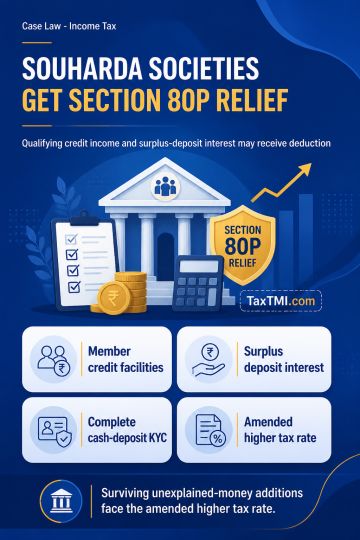
Section 80P deduction covers Souharda credit societies, including qualifying surplus-deposit interest, subject to member KYC verification for cash dep...
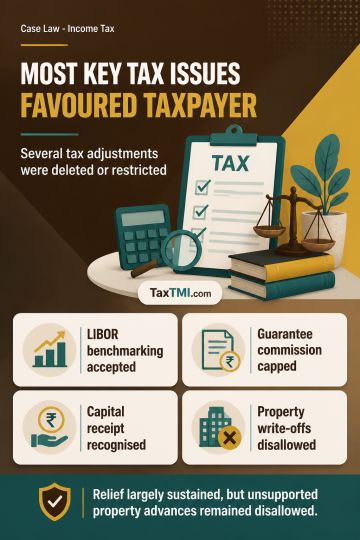
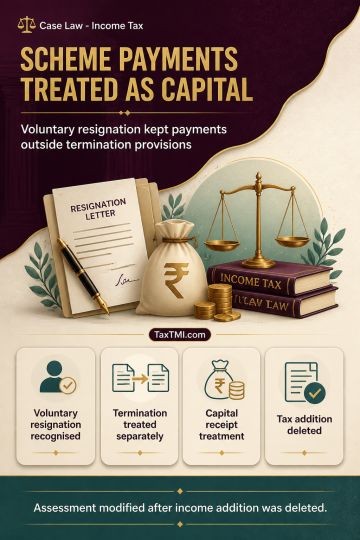
Transfer-pricing benchmarking and capital-receipt principles sustained taxpayer relief, while unsupported property-advance write-offs remained disallo...
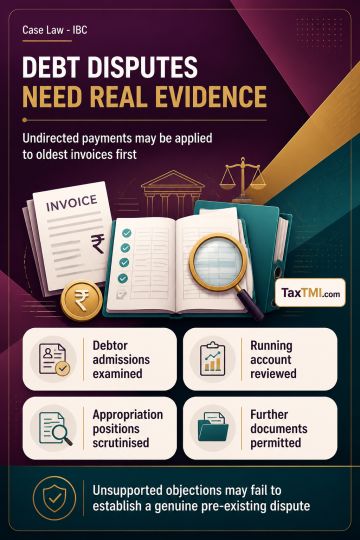
Pre-existing operational debt disputes require genuine evidence, while undirected running-account payments may be appropriated on a first-in-first-out...
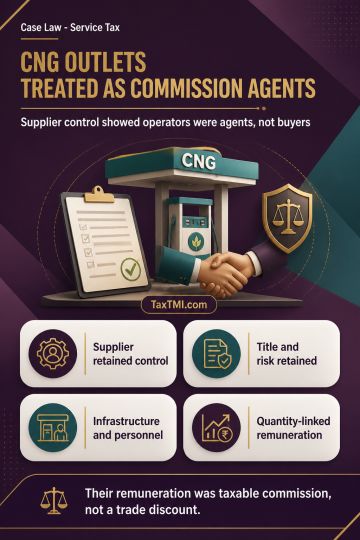
Agency in CNG distribution makes outlet operators commission agents, rendering taxable Business Auxiliary Service rather than purchasing goods for res...
The Appellate Tribunal addressed issues regarding the method of valuation of electrical motors, whether to apply Rule 8 or Rule 4 of the Central Excise (Valuation) Rules, 2000. Following the precedent set by a Larger Bench decision, the Tribunal upheld the demand for valuation based on the spares market for all clearances, including captive consumption and warranty replacements. Regarding time limitation and cum-duty benefit, the Tribunal found no intentional suppression of facts, as the issue was not without controversy. The Tribunal noted that the original show-cause notice did not allege suppression, and since all assemblies were dutifully disclosed, willful suppression could not be claimed. The Tribunal upheld demands within the normal period, extended cum-duty benefit, set aside penalties under Section 11AC, and remanded the matter for duty recomputation.
The Appellate Tribunal addressed issues regarding the method of valuation of electrical motors, whether to apply Rule 8 or Rule 4 of the Central Excise (Valuation) Rules, 2000. Following the precedent set by a Larger Bench decision, the Tribunal upheld the demand for valuation based on the spares market for all clearances, including captive consumption and warranty replacements. Regarding time limitation and cum-duty benefit, the Tribunal found no intentional suppression of facts, as the issue was not without controversy. The Tribunal noted that the original show-cause notice did not allege suppression, and since all assemblies were dutifully disclosed, willful suppression could not be claimed. The Tribunal upheld demands within the normal period, extended cum-duty benefit, set aside penalties under Section 11AC, and remanded the matter for duty recomputation.
Note: It is a system-generated summary and is for quick reference only.
 TaxTMI
 of 4792




 Join Channel


 TaxTMI
