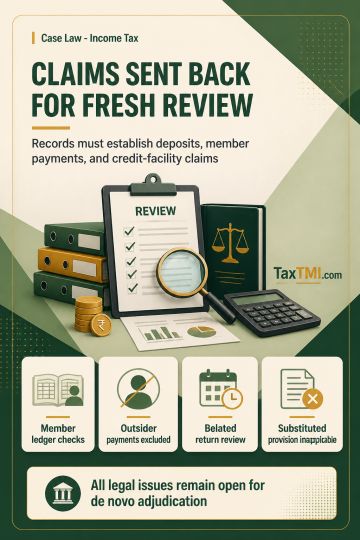
Cooperative society deposits, member-interest TDS exemption and credit-facility deduction claims require verification through records and supporting e...
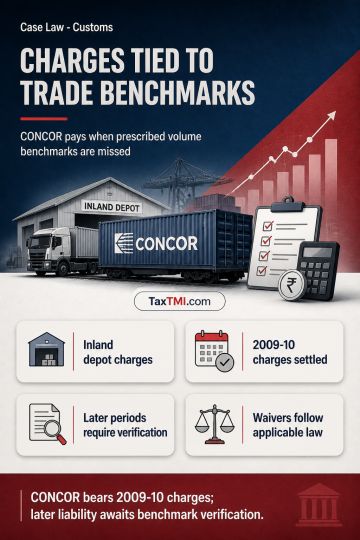
Customs jurisdiction over EPCG condition breaches survives export-obligation discharge certificates, requiring alleged fraud and misdeclaration to be ...
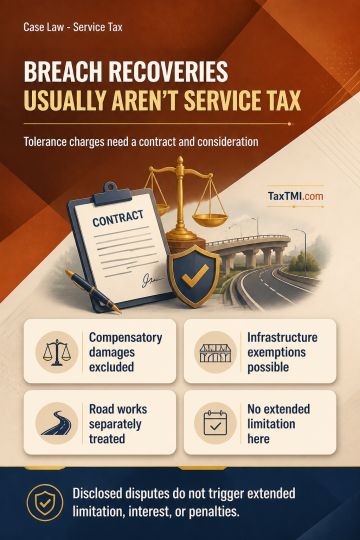
Contractual tolerance requires consideration; breach recoveries, qualifying public infrastructure services and road works escape service tax liability...
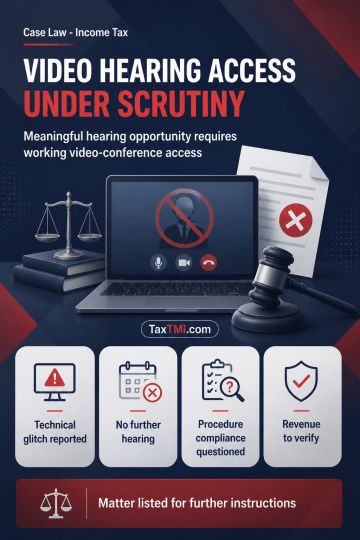
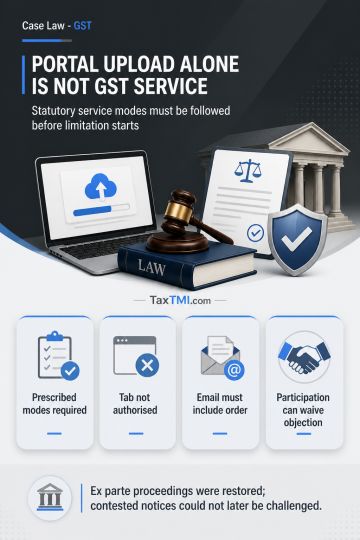
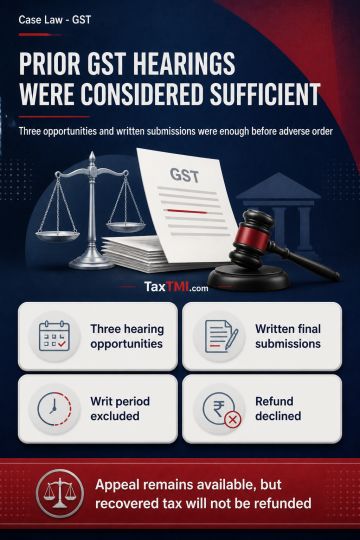
Personal hearing requirements in GST adjudication were satisfied by prior opportunities and written submissions; appellate limitation received writ-pe...
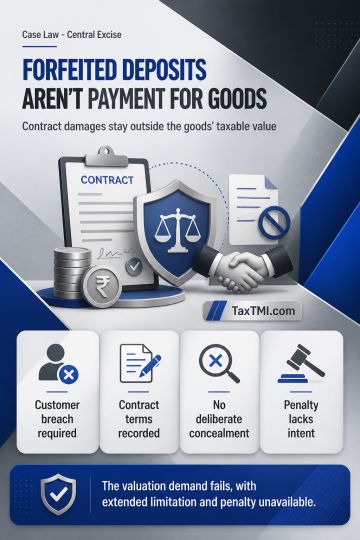
The Appellate Tribunal addressed issues regarding the method of valuation of electrical motors, whether to apply Rule 8 or Rule 4 of the Central Excise (Valuation) Rules, 2000. Following the precedent set by a Larger Bench decision, the Tribunal upheld the demand for valuation based on the spares market for all clearances, including captive consumption and warranty replacements. Regarding time limitation and cum-duty benefit, the Tribunal found no intentional suppression of facts, as the issue was not without controversy. The Tribunal noted that the original show-cause notice did not allege suppression, and since all assemblies were dutifully disclosed, willful suppression could not be claimed. The Tribunal upheld demands within the normal period, extended cum-duty benefit, set aside penalties under Section 11AC, and remanded the matter for duty recomputation.
The Appellate Tribunal addressed issues regarding the method of valuation of electrical motors, whether to apply Rule 8 or Rule 4 of the Central Excise (Valuation) Rules, 2000. Following the precedent set by a Larger Bench decision, the Tribunal upheld the demand for valuation based on the spares market for all clearances, including captive consumption and warranty replacements. Regarding time limitation and cum-duty benefit, the Tribunal found no intentional suppression of facts, as the issue was not without controversy. The Tribunal noted that the original show-cause notice did not allege suppression, and since all assemblies were dutifully disclosed, willful suppression could not be claimed. The Tribunal upheld demands within the normal period, extended cum-duty benefit, set aside penalties under Section 11AC, and remanded the matter for duty recomputation.
Note: It is a system-generated summary and is for quick reference only.
 TaxTMI
 of 4788





 Join Channel


 TaxTMI