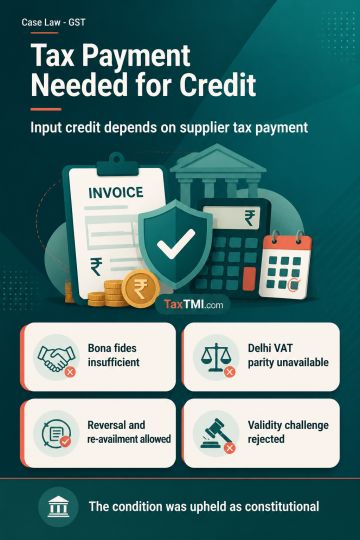
Input tax credit conditions remain constitutionally valid, with eligible recipient claims considered under GST circulars and retrospective filing dead...
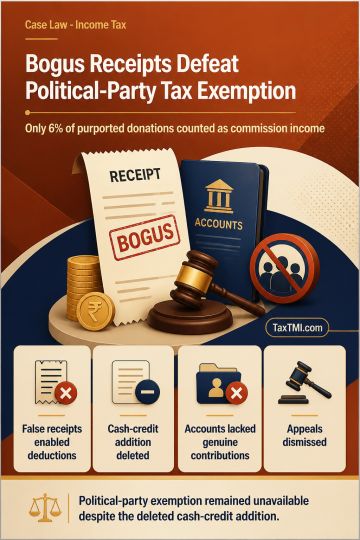
Bogus donation receipts justified commission income assessment and defeated political-party tax exemption for inaccurate accounts and reporting failur...
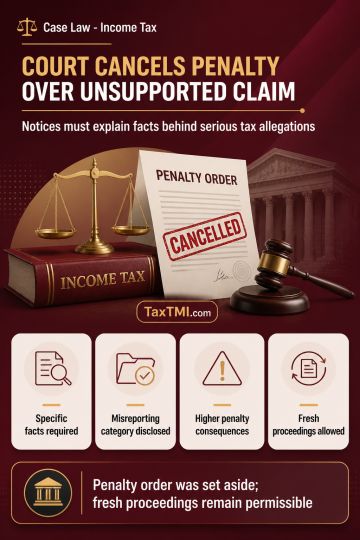
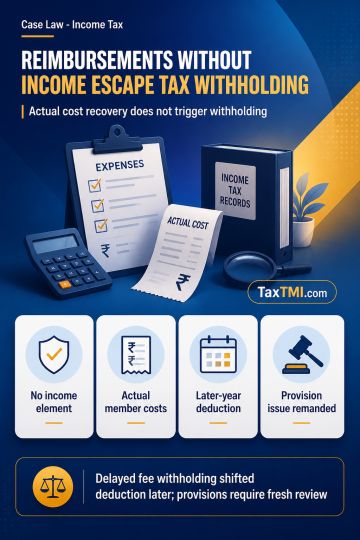
Pure reimbursement without income element escapes tax withholding, while delayed withholding and unsupported provisions face deferred or renewed scrut...
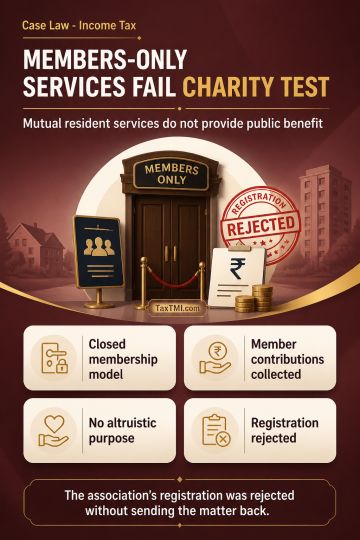
Public benefit requirement defeats charitable registration where residents' association services are reciprocal, member-only facilities governed by mu...
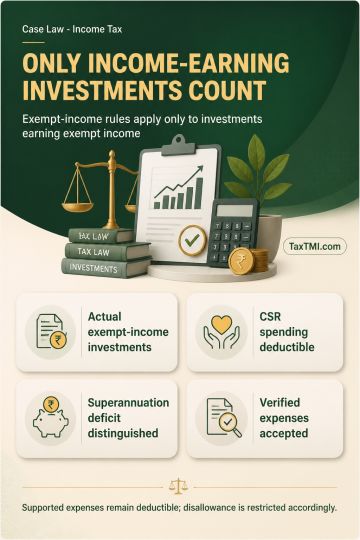
Exempt-income expenditure disallowance is confined to investments that actually generated exempt income, while supported business expenses remain dedu...
The Appellate Tribunal addressed issues regarding the method of valuation of electrical motors, whether to apply Rule 8 or Rule 4 of the Central Excise (Valuation) Rules, 2000. Following the precedent set by a Larger Bench decision, the Tribunal upheld the demand for valuation based on the spares market for all clearances, including captive consumption and warranty replacements. Regarding time limitation and cum-duty benefit, the Tribunal found no intentional suppression of facts, as the issue was not without controversy. The Tribunal noted that the original show-cause notice did not allege suppression, and since all assemblies were dutifully disclosed, willful suppression could not be claimed. The Tribunal upheld demands within the normal period, extended cum-duty benefit, set aside penalties under Section 11AC, and remanded the matter for duty recomputation.
The Appellate Tribunal addressed issues regarding the method of valuation of electrical motors, whether to apply Rule 8 or Rule 4 of the Central Excise (Valuation) Rules, 2000. Following the precedent set by a Larger Bench decision, the Tribunal upheld the demand for valuation based on the spares market for all clearances, including captive consumption and warranty replacements. Regarding time limitation and cum-duty benefit, the Tribunal found no intentional suppression of facts, as the issue was not without controversy. The Tribunal noted that the original show-cause notice did not allege suppression, and since all assemblies were dutifully disclosed, willful suppression could not be claimed. The Tribunal upheld demands within the normal period, extended cum-duty benefit, set aside penalties under Section 11AC, and remanded the matter for duty recomputation.
Note: It is a system-generated summary and is for quick reference only.
 TaxTMI
 of 4782



 Join Channel


 TaxTMI