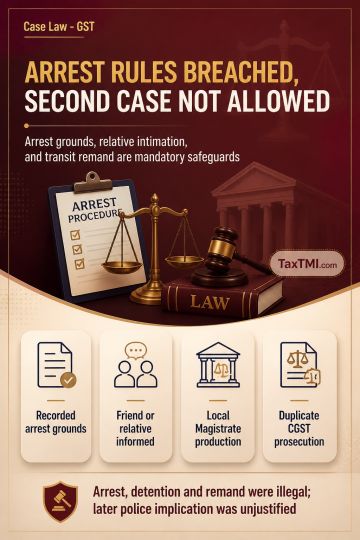
Arrest safeguards require disclosed grounds, relative intimation and transit remand, while duplicate prosecution under the CGST framework is unsustain...
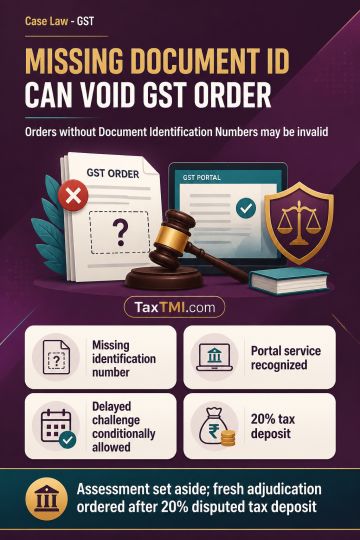
Document Identification Number defects can invalidate GST assessments, with delayed challenges entertained conditionally where patent irregularities e...
Windmill commissioning evidence supported higher depreciation where grid connection and electricity generation proved operational use before the relev...
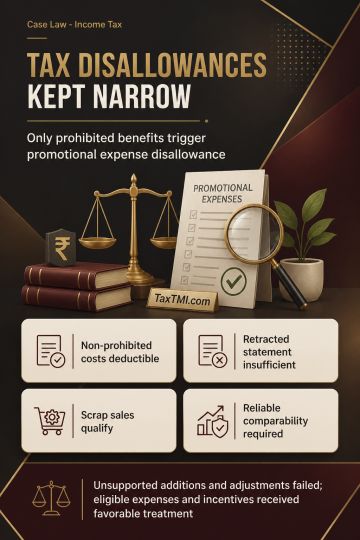
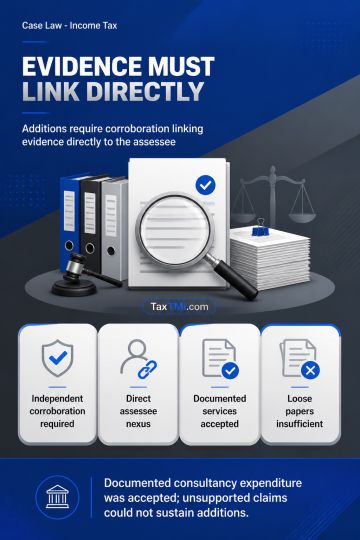
Pharmaceutical promotion and transfer-pricing comparability principles limited disallowances, while uncorroborated search allegations and unsupported ...
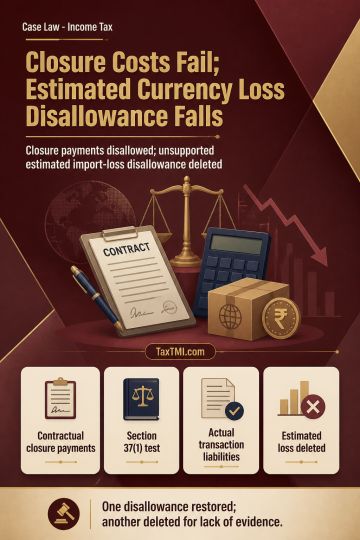
Business expenditure substantiation supports scrap credits, statutory payments and expense claims, while depreciation requires proof of actual busines...
The ITAT Jaipur addressed a case involving a revision u/s 263 concerning the addition u/s 68 based on a report from an investigation in Mumbai. The PCIT contended that the AO did not properly examine the issue of bogus LTCG, leading to the need for the LTCG claimed to be added to the assessee's total income. The tribunal emphasized that for u/s 263 to apply, the assessment order must be both erroneous and prejudicial to revenue. Mere loss of revenue due to the AO's decision does not automatically make the order prejudicial. The tribunal found no incorrectness in the AO's actions and concluded that the PCIT's order did not meet the requirements of u/s 263. The tribunal held that a change of opinion by the PCIT is not permissible under the law, ultimately allowing the assessee's appeal.
The ITAT Jaipur addressed a case involving a revision u/s 263 concerning the addition u/s 68 based on a report from an investigation in Mumbai. The PCIT contended that the AO did not properly examine the issue of bogus LTCG, leading to the need for the LTCG claimed to be added to the assessee's total income. The tribunal emphasized that for u/s 263 to apply, the assessment order must be both erroneous and prejudicial to revenue. Mere loss of revenue due to the AO's decision does not automatically make the order prejudicial. The tribunal found no incorrectness in the AO's actions and concluded that the PCIT's order did not meet the requirements of u/s 263. The tribunal held that a change of opinion by the PCIT is not permissible under the law, ultimately allowing the assessee's appeal.
Note: It is a system-generated summary and is for quick reference only.
 TaxTMI
 of 4788













 Join Channel


 TaxTMI