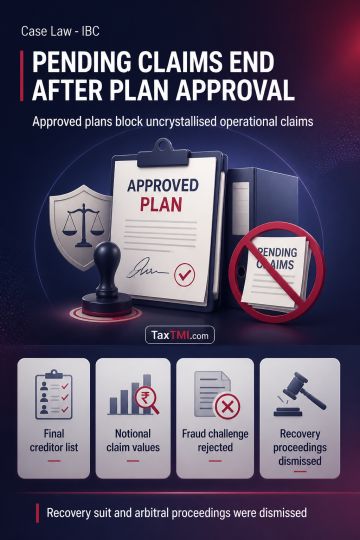
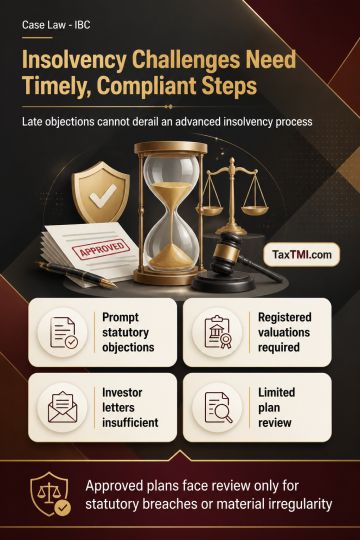
Clean slate principle extinguishes uncrystallised operational claims and bars continuation of pending recovery and arbitral proceedings after plan app...
Works contract classification governs composite layout-development contracts where VAT-paid goods are transferred alongside construction and infrastru...
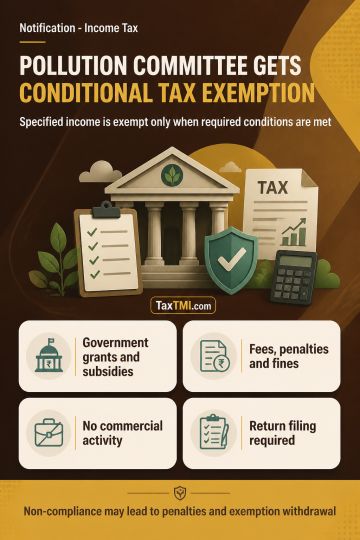
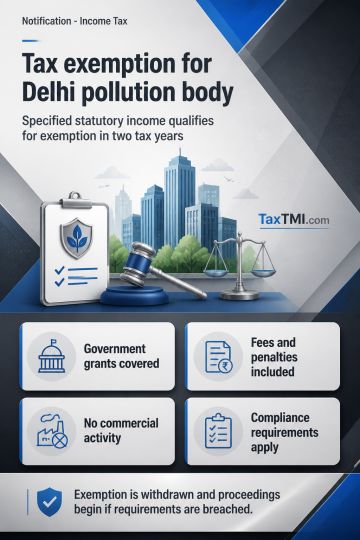
Specified income tax exemption for pollution control body remains conditional on non-commercial activity, unchanged income character, and return filin...
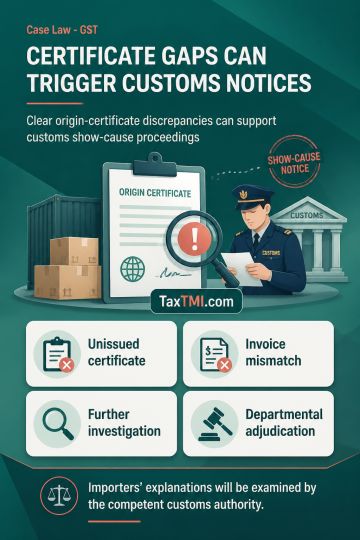
Jurisdictional facts in certificate-of-origin discrepancies can support customs show-cause proceedings, leaving factual explanations for departmental ...
The Delhi High Court examined the validity of reassessment proceedings u/s 147 after a four-year lapse. The court emphasized the requirement of "reasons to believe" for reopening assessments. It noted that the AO lacked specific grounds for reassessment, resembling past cases. The CIT(A) upheld reassessment based on a revenue audit report, but failed to establish a direct link between reasons and belief u/s 147. The court found the initiation of reassessment after four years without fresh material as legally unsound, rejecting the Revenue's case. The decision favored the assessee, emphasizing the need for concrete grounds for reassessment within the statutory period.
The Delhi High Court examined the validity of reassessment proceedings u/s 147 after a four-year lapse. The court emphasized the requirement of "reasons to believe" for reopening assessments. It noted that the AO lacked specific grounds for reassessment, resembling past cases. The CIT(A) upheld reassessment based on a revenue audit report, but failed to establish a direct link between reasons and belief u/s 147. The court found the initiation of reassessment after four years without fresh material as legally unsound, rejecting the Revenue's case. The decision favored the assessee, emphasizing the need for concrete grounds for reassessment within the statutory period.
Note: It is a system-generated summary and is for quick reference only.
 TaxTMI
 of 4798





 Join Channel


 TaxTMI