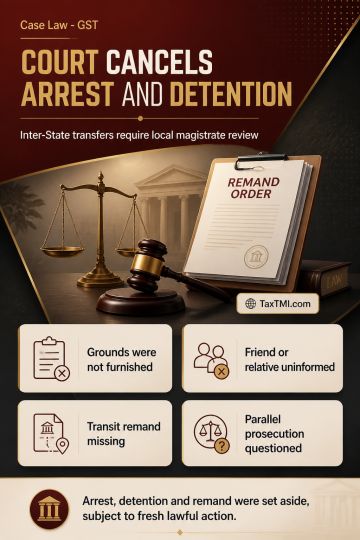
Arrest safeguards and transit remand requirements invalidated detention following inter-State transfer without communicated grounds or magistrate auth...
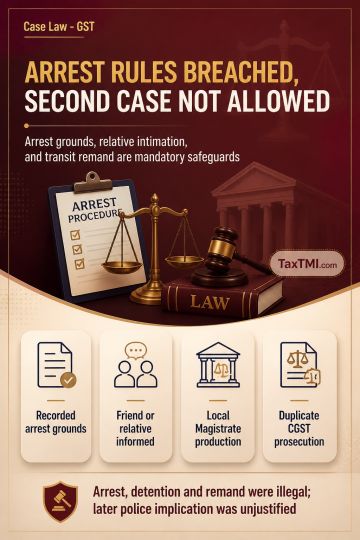
Arrest safeguards require disclosed grounds, relative intimation and transit remand, while duplicate prosecution under the CGST framework is unsustain...
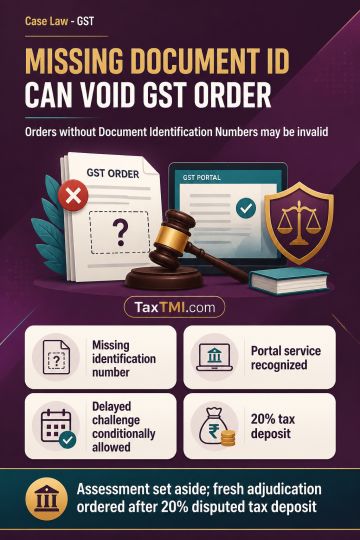
Document Identification Number defects can invalidate GST assessments, with delayed challenges entertained conditionally where patent irregularities e...
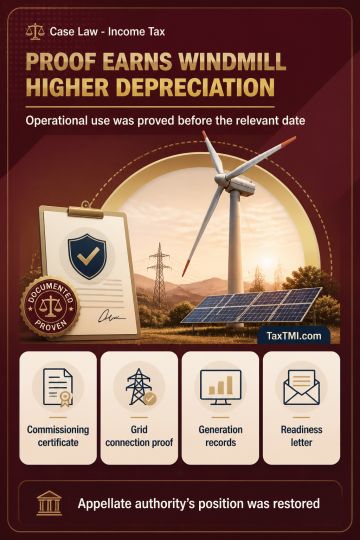
Windmill commissioning evidence supported higher depreciation where grid connection and electricity generation proved operational use before the relev...
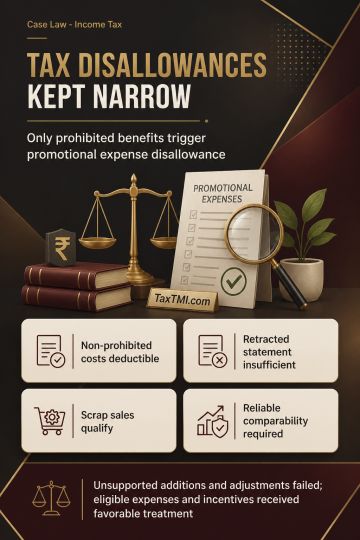
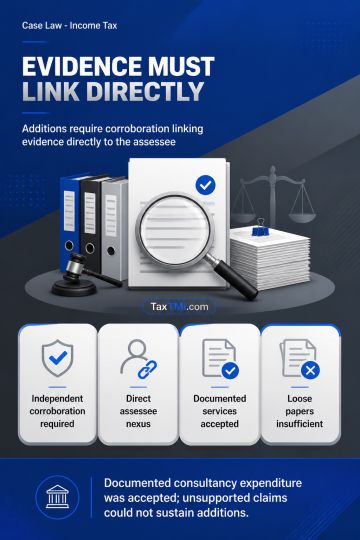
Pharmaceutical promotion and transfer-pricing comparability principles limited disallowances, while uncorroborated search allegations and unsupported ...
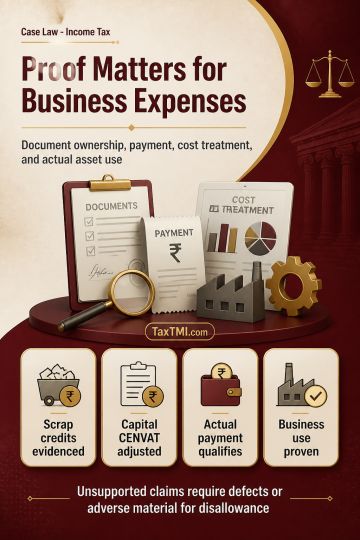
Business expenditure substantiation supports scrap credits, statutory payments and expense claims, while depreciation requires proof of actual busines...
The Delhi High Court examined the validity of reassessment proceedings u/s 147 after a four-year lapse. The court emphasized the requirement of "reasons to believe" for reopening assessments. It noted that the AO lacked specific grounds for reassessment, resembling past cases. The CIT(A) upheld reassessment based on a revenue audit report, but failed to establish a direct link between reasons and belief u/s 147. The court found the initiation of reassessment after four years without fresh material as legally unsound, rejecting the Revenue's case. The decision favored the assessee, emphasizing the need for concrete grounds for reassessment within the statutory period.
The Delhi High Court examined the validity of reassessment proceedings u/s 147 after a four-year lapse. The court emphasized the requirement of "reasons to believe" for reopening assessments. It noted that the AO lacked specific grounds for reassessment, resembling past cases. The CIT(A) upheld reassessment based on a revenue audit report, but failed to establish a direct link between reasons and belief u/s 147. The court found the initiation of reassessment after four years without fresh material as legally unsound, rejecting the Revenue's case. The decision favored the assessee, emphasizing the need for concrete grounds for reassessment within the statutory period.
Note: It is a system-generated summary and is for quick reference only.
 TaxTMI
 of 4792




 Join Channel


 TaxTMI