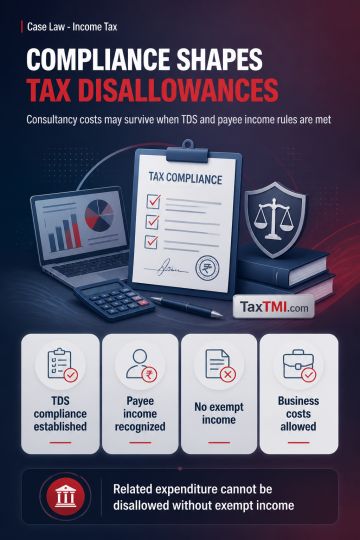
Tax deduction compliance and payee income recognition govern consultancy disallowance, while no exempt income prevents related expenditure disallowanc...
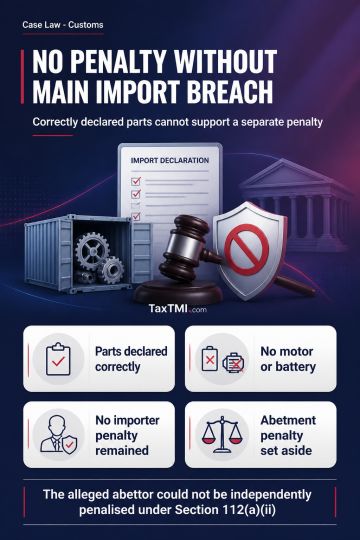
Derivative abetment liability fails when correctly declared imported components establish no underlying improper importation by the principal importer...
The Delhi High Court examined the validity of reassessment proceedings u/s 147 after a four-year lapse. The court emphasized the requirement of "reasons to believe" for reopening assessments. It noted that the AO lacked specific grounds for reassessment, resembling past cases. The CIT(A) upheld reassessment based on a revenue audit report, but failed to establish a direct link between reasons and belief u/s 147. The court found the initiation of reassessment after four years without fresh material as legally unsound, rejecting the Revenue's case. The decision favored the assessee, emphasizing the need for concrete grounds for reassessment within the statutory period.
The Delhi High Court examined the validity of reassessment proceedings u/s 147 after a four-year lapse. The court emphasized the requirement of "reasons to believe" for reopening assessments. It noted that the AO lacked specific grounds for reassessment, resembling past cases. The CIT(A) upheld reassessment based on a revenue audit report, but failed to establish a direct link between reasons and belief u/s 147. The court found the initiation of reassessment after four years without fresh material as legally unsound, rejecting the Revenue's case. The decision favored the assessee, emphasizing the need for concrete grounds for reassessment within the statutory period.
Note: It is a system-generated summary and is for quick reference only.
 TaxTMI
 of 4792






 Join Channel


 TaxTMI
