Current account treatment of overseas tournament services removed most FEMA findings, but excess EEFC remittance and delayed repatriation remained bre...
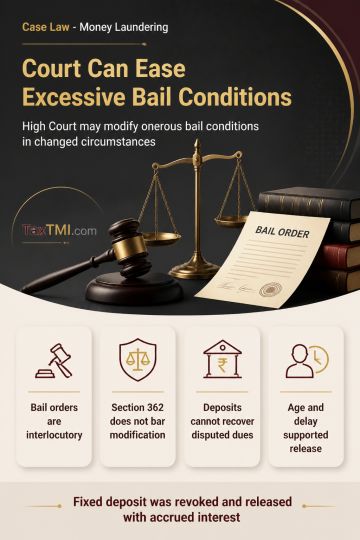
Modification of bail conditions remains available through inherent jurisdiction where onerous deposits undermine justice and cannot recover disputed d...
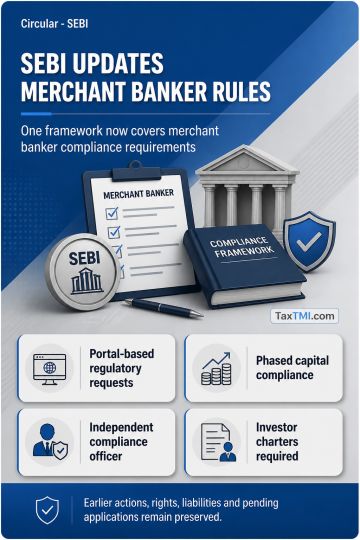
Merchant banker regulation consolidates registration, governance, capital, reporting, outsourcing and investor-protection requirements under an update...
In the ITAT Delhi case, the issue revolved around claiming exemption u/s 54F for investment in a residential house. The CIT(A) allowed the exemption based on the purchase of a property referred to as "Makan." However, investigations revealed the investment was in urban agricultural land used for a concrete brick manufacturing unit, not a residential house. The stamp duty and lease deed also indicated non-residential use. The tribunal emphasized the requirement of reinvesting in a new residential property for u/s 54F exemption, aiming to promote home ownership and economic growth. As no proof of a residential house was established, the claim was denied, holding the land with a shed as non-residential. The decision favored the revenue authorities.
In the ITAT Delhi case, the issue revolved around claiming exemption u/s 54F for investment in a residential house. The CIT(A) allowed the exemption based on the purchase of a property referred to as "Makan." However, investigations revealed the investment was in urban agricultural land used for a concrete brick manufacturing unit, not a residential house. The stamp duty and lease deed also indicated non-residential use. The tribunal emphasized the requirement of reinvesting in a new residential property for u/s 54F exemption, aiming to promote home ownership and economic growth. As no proof of a residential house was established, the claim was denied, holding the land with a shed as non-residential. The decision favored the revenue authorities.
Note: It is a system-generated summary and is for quick reference only.
 TaxTMI
 of 4788









 Join Channel


 TaxTMI