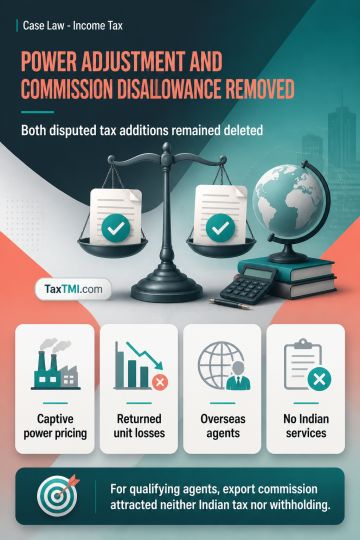
Captive power transfer pricing and non-resident export commission rules support deletion of adjustments and withholding disallowance in discussed proc...
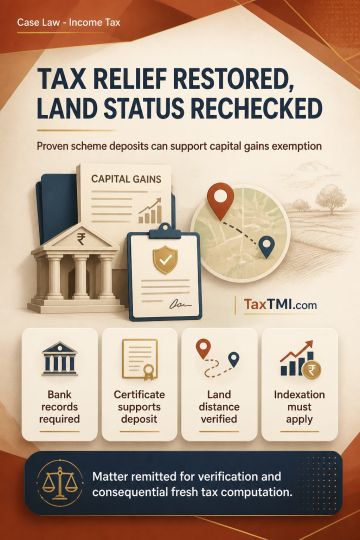
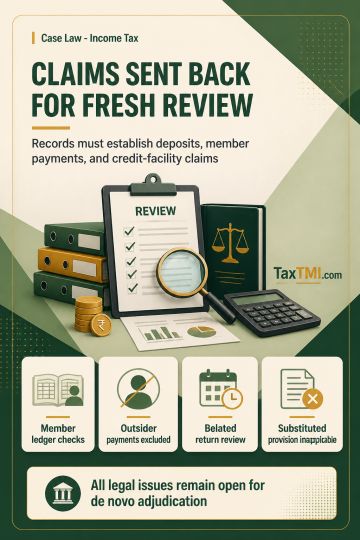
Cooperative society deposits, member-interest TDS exemption and credit-facility deduction claims require verification through records and supporting e...
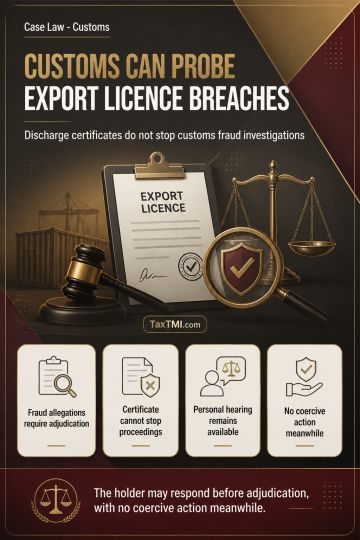
Customs jurisdiction over EPCG condition breaches survives export-obligation discharge certificates, requiring alleged fraud and misdeclaration to be ...
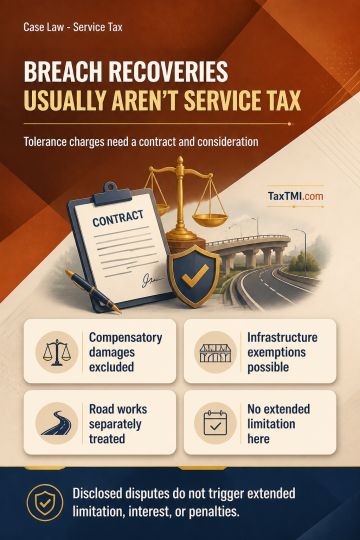
Contractual tolerance requires consideration; breach recoveries, qualifying public infrastructure services and road works escape service tax liability...
The case before CESTAT Mumbai involved the jurisdiction of the Commissioner of Customs to take action against a Customs Cargo Service Provider (CCSP) for alleged violations of the Handling of Cargo in Customs Areas Regulations, 2009 and the Manufacture Storage and Import of Hazardous Chemicals Rules, 1989. The tribunal held that the Commissioner lacked jurisdiction to initiate action based on unclear show cause notice and orders. The tribunal emphasized that the Customs Act, 1962 did not empower customs officers to issue instructions beyond certain thresholds. It was concluded that the tax administration did not have the expertise to enforce environmental regulations, which should be left to designated authorities. As a result, the appeals were allowed.
The case before CESTAT Mumbai involved the jurisdiction of the Commissioner of Customs to take action against a Customs Cargo Service Provider (CCSP) for alleged violations of the Handling of Cargo in Customs Areas Regulations, 2009 and the Manufacture Storage and Import of Hazardous Chemicals Rules, 1989. The tribunal held that the Commissioner lacked jurisdiction to initiate action based on unclear show cause notice and orders. The tribunal emphasized that the Customs Act, 1962 did not empower customs officers to issue instructions beyond certain thresholds. It was concluded that the tax administration did not have the expertise to enforce environmental regulations, which should be left to designated authorities. As a result, the appeals were allowed.
Note: It is a system-generated summary and is for quick reference only.
 TaxTMI
 of 4801





 Join Channel


 TaxTMI